

Cuban Embassy in Sierra Leone Commemorates National Rebellion Day
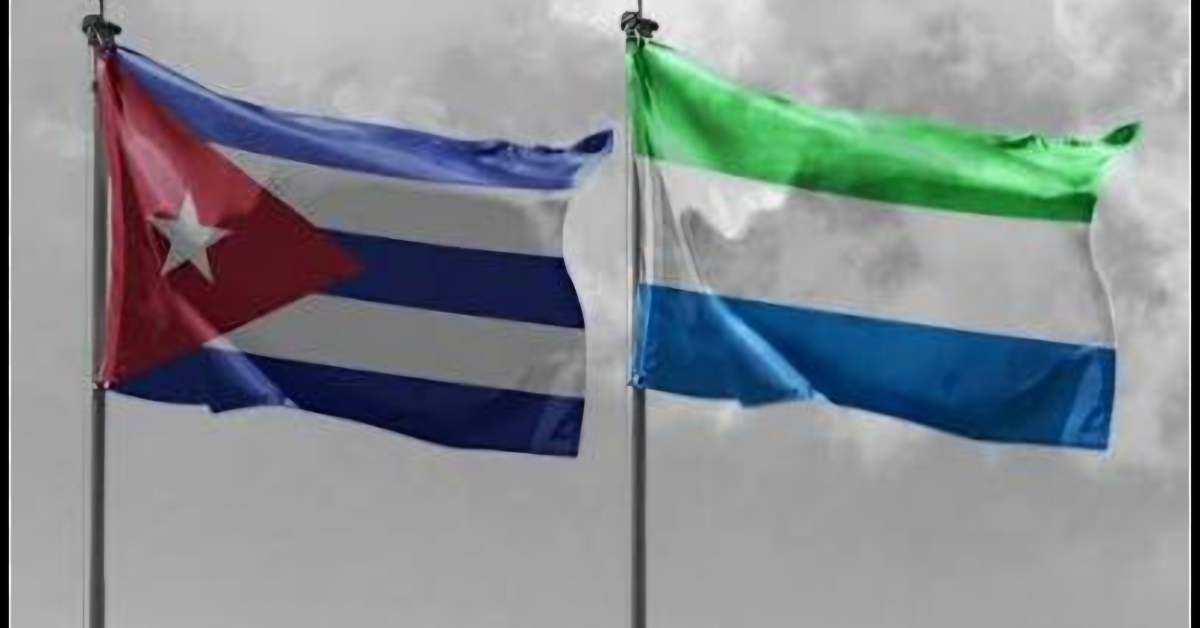
The Embassy of the Republic of Cuba in Sierra Leone on Saturday commemorated National Rebellion Day, with Ambassador Norma Sánchez Águila highlighting the historical importance of the occasion and its enduring role in shaping modern Cuba.
The event, held at the Embassy’s headquarters at 58 Sir Samuel Lewis Road, Aberdeen, Freetown, brought together invited guests to observe the annual celebration, which is marked every July 26 in Cuba.
Addressing attendees, Ambassador Sánchez Águila explained that the National Rebellion Day commemorates the July 26, 1953 attacks on the Moncada Barracks in Santiago de Cuba and the Carlos Manuel de Céspedes Barracks in Bayamo. The attacks were led by Fidel Castro and a group of revolutionaries in an attempt to overthrow the government of Fulgencio Batista.

Although the operation was unsuccessful and many of the revolutionaries were either killed or captured, the Ambassador noted that the attacks marked the beginning of the Cuban Revolution. Fidel Castro was subsequently imprisoned but later released. He later returned to Cuba to continue the revolutionary struggle, which culminated in the overthrow of Batista’s government on January 1, 1959.

Ambassador Sánchez Águila further explained that the historic events of July 26 gave rise to the 26th of July Movement (Movimiento 26 de Julio), the revolutionary organisation that played a central role in bringing Fidel Castro to power and transforming Cuba’s political landscape.
She noted that National Rebellion Day remains one of Cuba’s most important national holidays and is commemorated annually through official government ceremonies and other national activities that honour the sacrifices of those who participated in the struggle for the country’s liberation.
The commemoration also served as an opportunity to strengthen cultural and diplomatic ties between Cuba and Sierra Leone while reflecting on the historical importance of the Cuban Revolution and its legacy.