

NPRA Charts Path for Sierra Leone to Adopt ECOWAS Cleaner Fuel Standards
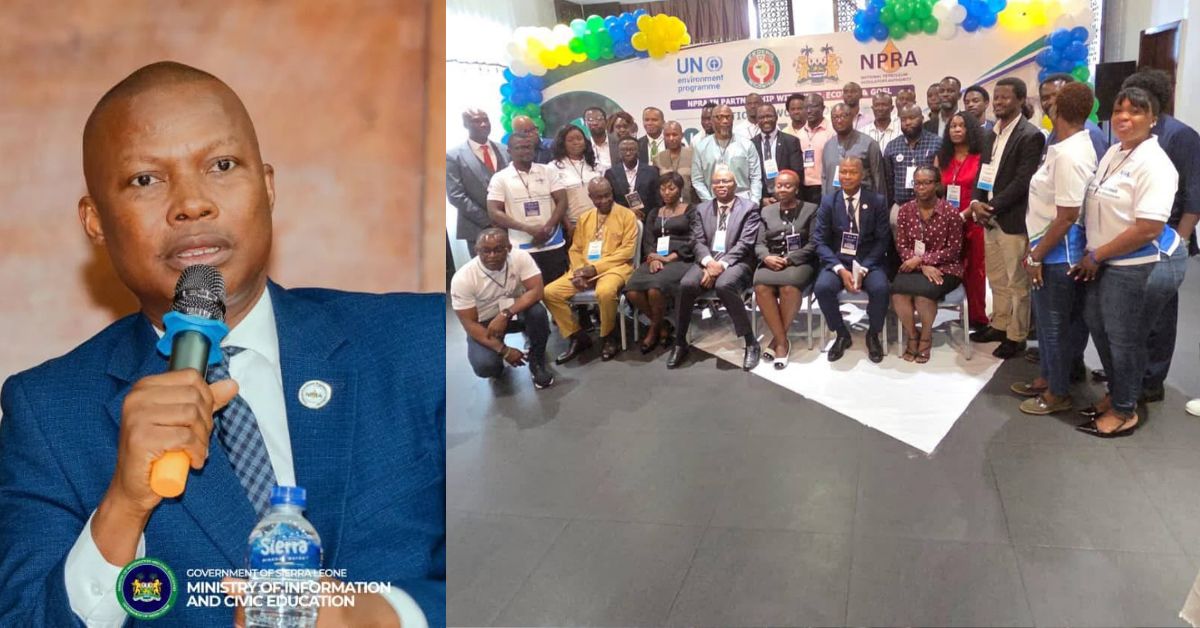
 Osman Tolo Sesay
 Sierra Leone has taken another step toward adopting regional cleaner fuel and vehicle standards after a two-day national workshop concluded in Freetown with commitments to strengthen fuel quality regulations and reduce vehicle emissions.
The workshop, organised by the National Petroleum Regulatory Authority (NPRA) in partnership with the United Nations Environment Programme (UNEP) and the ECOWAS Commission, focused on supporting Sierra Leone’s implementation of ECOWAS standards for cleaner fuels and vehicles.
Government officials, development partners, environmental experts, and key stakeholders concluded a two-day national workshop on cleaner fuels and vehicles on Aug. 4, 2026, with renewed commitments to promote cleaner transport and improve air quality in Sierra Leone.

The workshop, held from Aug. 3 to 4 at the Atlantic Hotel, Lumley Beach, Freetown, focused on advancing policies and strategies that support the adoption of cleaner fuels and environmentally friendly vehicles. Participants discussed measures to reduce vehicle emissions, improve fuel quality standards, strengthen regulatory frameworks, and encourage sustainable transportation.

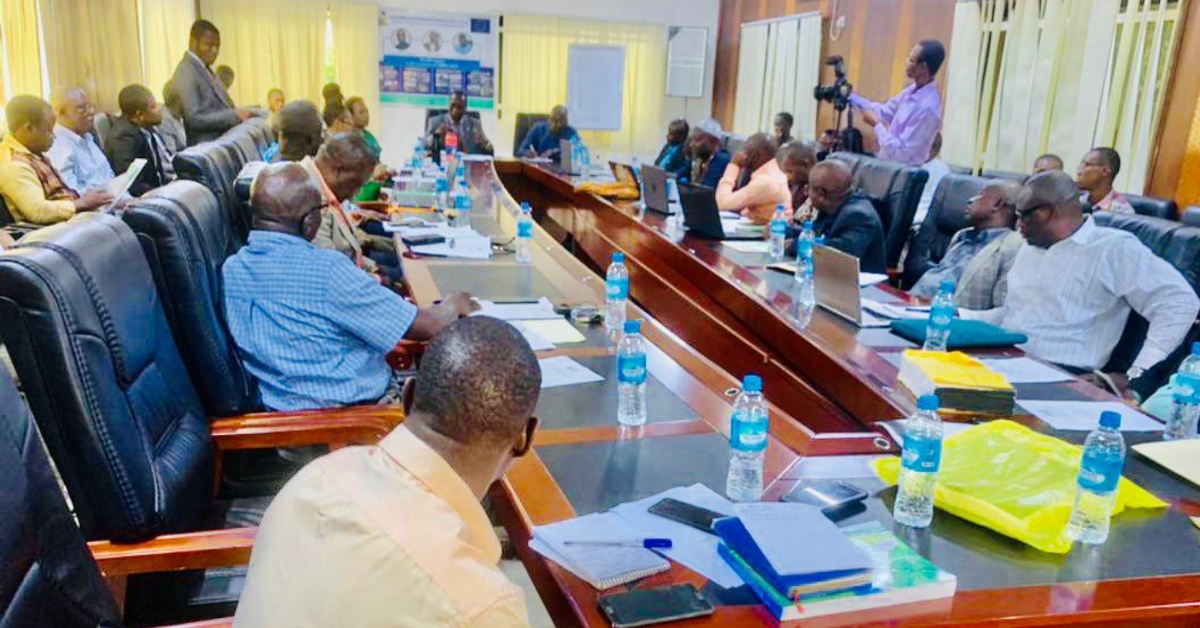

Participants discussed measures to improve fuel quality, encourage cleaner vehicle technologies, safeguard public health, protect the environment, strengthen regional energy security, and promote trade through a more integrated hydrocarbon market.
The discussions were guided by two ECOWAS directives adopted by the Council of Ministers in September 2020 that seek to harmonise automotive fuel specifications and vehicle emission standards across West Africa.
Delivering the keynote address, NPRA Director General Brima Baluwa Koroma described the initiative as a joint effort involving multiple sectors to advance long-term reforms in Sierra Leone and across the ECOWAS region. He said pollution from vehicle emissions and poor-quality fuels remains a major environmental and public health concern throughout the region.
Koroma said the NPRA has already begun aligning with regional and international fuel quality requirements. He noted that while Sierra Leone currently operates under a fuel specification of 1,000 parts per million (ppm), the country’s petroleum pricing formula is based on 10 ppm fuel, which is below the ECOWAS target of 50 ppm. He added that Oil Marketing Companies participated in the workshop as part of preparations to meet the new standards.
According to Koroma, the Authority plans to incorporate the ECOWAS fuel specifications into its licensing framework beginning in 2027 as part of efforts to domesticate the regional directives.
He said successful implementation will depend on cooperation among the NPRA, government ministries, departments and agencies, regional institutions, Oil Marketing Companies, transport unions, vehicle dealers, civil society organisations, and the media.
“We must be candid about the work that lies ahead in domesticating these Directives. This will require collaboration between the NPRA, MDAs and regional stakeholders. It will also require constructive engagement with OMCs, Drivers’ Unions, Vehicle Dealers, as well as massive public sensitisation through civil society organisations and the media,” the Director General reaffirmed.
Representing UNEP, Jane Akumu emphasised the health and environmental benefits of cleaner fuels and vehicles, describing the transition as essential for improving air quality, reducing pollution, addressing climate change, and supporting sustainable economic growth.
Akumu said low-sulfur fuels, combined with modern vehicle technologies, significantly reduce harmful emissions associated with respiratory illnesses, heart disease, stroke, lung cancer, and premature deaths. She explained that cleaner fuels also enable advanced vehicle emission-control systems to function more effectively, particularly in urban areas.
She added that although lowering sulfur levels alone does not directly reduce carbon dioxide emissions, cleaner fuels support the introduction of more fuel-efficient, lower-emission vehicles that can help countries cut greenhouse gas emissions from the transport sector. She said UNEP continues to work with governments and regional organisations, including ECOWAS, to advance cleaner fuel standards and vehicle emission regulations across Africa.
Speaking for the ECOWAS Commission, Yao Barnard Koffi said the regional initiative is anchored in Directives C/DIR.1/9/2020 on harmonised automotive fuel specifications and C/DIR.2/9/2020 on vehicle emission standards, both adopted by the ECOWAS Council of Ministers in September 2020.
Koffi said member states will need to strengthen national laws, improve regulatory oversight, and enforce fuel quality and vehicle emission standards through coordinated efforts involving governments, petroleum regulators, transport stakeholders, civil society organisations, and development partners.
He said effective implementation of the roadmap and supporting legislation would contribute to sustainable economic development while advancing several United Nations Sustainable Development Goals, including Good Health and Well-being, Affordable and Clean Energy, Sustainable Cities and Communities, and Climate Action.