

Kaliyereh Residents Seek Urgent Border Demarcation as Guinea Dispute Threatens Livelihoods
 Osman Tolo Sesay
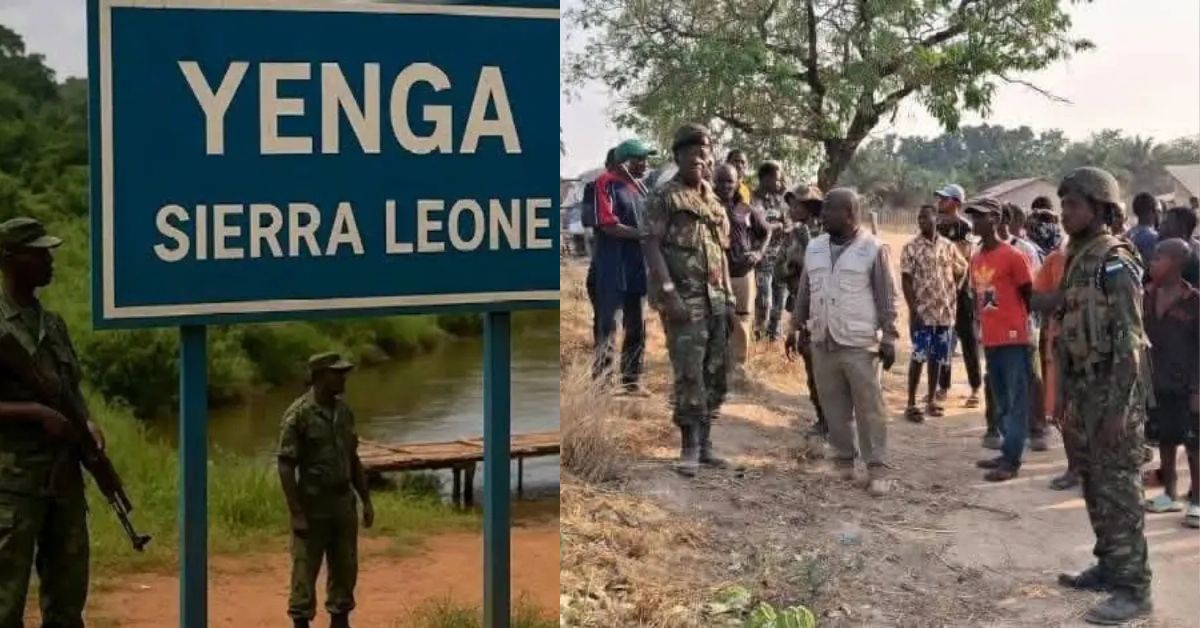
 Residents of Kaliyereh in Sulima Chiefdom, Falaba District, are calling for urgent government action to clarify the Sierra Leone-Guinea border, saying uncertainty is disrupting farming, trade and movement.
The residents say tensions have persisted for months following a border dispute earlier this year that left the community uncertain about the location of the boundary.
Town Chief Manka Momodu Samura told Truth Media that the situation has created “serious challenges” for residents, particularly farmers who depend on access to land and swamps.

According to Samura, Guinean authorities and settlers have allegedly laid claims to areas traditionally used by Sierra Leonean farmers. He said some residents have consequently lost access to farmland and swamps needed to support their families.



“Some parts of the town are even being claimed as belonging to Guinea,” Samura said, adding that the uncertainty has also created confusion over taxation and local governance.
During a visit to the community, residents identified a pile of stones they believe was used to mark the original boundary established by earlier settlers. They are asking authorities to verify the boundary and provide clear information on the officially recognised demarcation.
Samura also appealed to the government, civil society organisations and humanitarian groups to support affected residents, particularly women and farmers.
Youth leader Mohamed S. Turay said Kaliyereh has faced limited government services and economic opportunities for years. He added that the border uncertainty has further complicated trade and business activities with neighbouring communities.
Women traders have also reported difficulties. Fatmata Samura said fluctuations and challenges involving the exchange of Guinean francs and Sierra Leonean leones are putting additional pressure on small businesses.
Residents are now urging Sierra Leonean and Guinean authorities to address the matter through peaceful engagement and establish a mutually recognised border demarcation.
They believe resolving the uncertainty would help protect access to farmland, restore cross-border trade and allow residents to move and conduct their livelihoods while complying with the laws of both countries.
Why are we not deploying military personnel across the borders with Guinea