
Sylvia Blyden Challenges Parliament’s Position on Speaker’s Ruling, Cites 2002 Court Precedent
 Aaron Parker
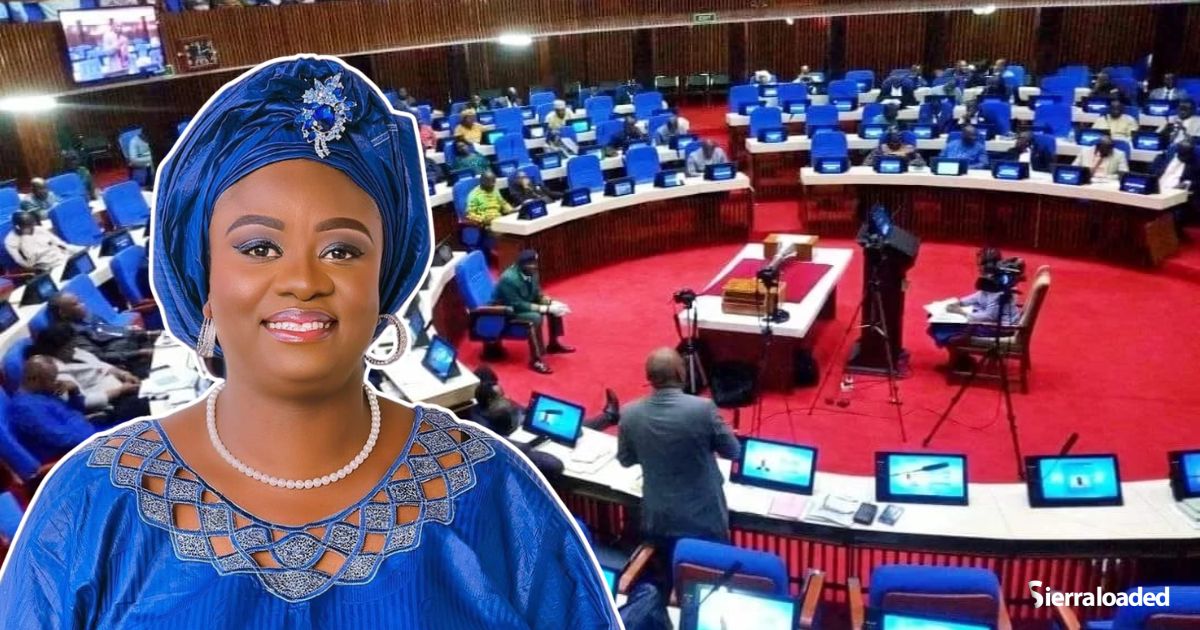
 Prominent All People’s Congress (APC) politician and political commentator Dr. Sylvia Olayinka Blyden has strongly challenged Parliament’s position that the Speaker’s ruling cannot be interpreted or questioned by any court, citing a 2002 Court of Appeal judgment that she says established limits to the Speaker’s constitutional authority.
Blyden was reacting to a statement published on Parliament of Sierra Leone’s Facebook page at 5:36 a.m. on Wednesday, August 12, which stated: “The Speaker’s Ruling is final and cannot be interpreted or enquired into by any Court of Law.”
She acknowledged that the statement correctly quotes Section 94(2) of the 1991 Constitution but argued that the provision does not present the complete legal position.

According to Blyden, a landmark Court of Appeal case in 2002 involving the APC and the Speaker of Parliament demonstrated that the courts could intervene where parliamentary actions were alleged to be inconsistent with the Constitution.
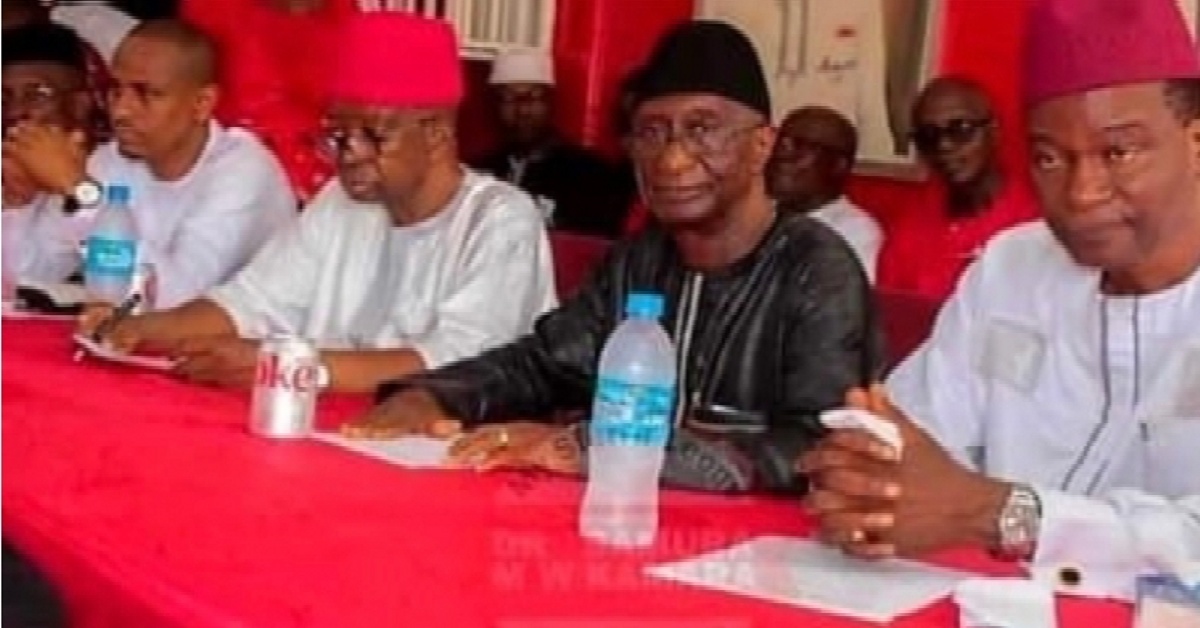

She referenced APC v. Speaker of Parliament, Civil Appeal No. 13/2000, decided on January 10, 2002, involving the actions of then Speakers of Parliament Kutubu and Cowan. Blyden said the case also involved legal arguments advanced by then Attorney General and SLPP politician Solomon Berewa in defence of the Speakers.
Blyden said Berewa had relied on the same constitutional provision stating that courts should not inquire into proceedings or rulings of the Speaker. However, she maintained that the Court of Appeal ultimately ruled in favour of the APC applicants.
She cited a key passage from the judgment, stating: “If in the performance of these duties, Parliament does not act in accordance with the Constitution, it is the job of the Court to intervene to say so loud and clear.”
Blyden further referred to the judgment’s position that the Constitution does not give the Speaker “absolute power,” arguing that the 2002 decision established an important precedent concerning judicial oversight of parliamentary actions.
She said the precedent remains relevant to the current constitutional dispute and rejected what she described as attempts to silence citizens who are questioning the Speaker’s actions.
“The Speaker cannot ‘Open Call’ us into silence. He cannot browbeat us to become afraid. No way!” Blyden declared.
She also referred to Sections 124(2)(b), 125 and 127(1) of the Constitution, arguing that these provisions give the Supreme Court powers relating to constitutional interpretation, adjudicating authorities and enforcement of constitutional provisions.
Blyden further urged President Julius Maada Bio to seek a judicial opinion from the Supreme Court under Section 122(1) of the Constitution in light of what she described as conflicting petitions concerning the constitutional amendment process.
She said different individuals and groups had presented opposing positions to the President and argued that seeking legal guidance from the Supreme Court would help resolve the dispute.
Blyden also urged President Bio, whom she described as the “Guardian of the Constitution,” to obtain proper legal counsel before taking further action on the matter.
She concluded by reaffirming her commitment to encouraging citizens to lawfully challenge actions that they believe are inconsistent with Sierra Leone’s Constitution.