

Defending the Defenders: Sierra Leone’s Environmental Activists Get a Protective Shield
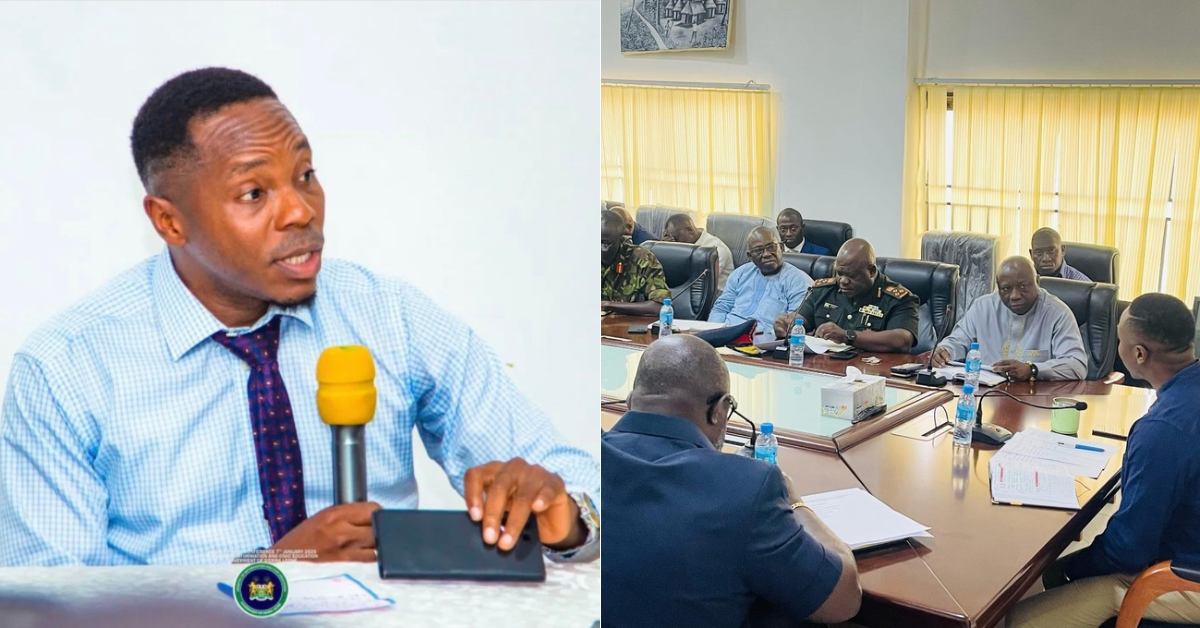
 Richmond B. Tholley
 Green Scenery has launched a new initiative titled “Strengthening Legal Literacy and Collective Protection for Environmental Rights Defenders in Sierra Leone”, with support from Protection International.
The project is bolstering the legal and physical protection of environmental rights defenders in Sierra Leone who face pressure from corporate interests.
The 12-month project comes as Green Scenery and its Executive Director, Joseph Rahall, face a defamation lawsuit filed by a multinational agribusiness entity. The lawsuit is a clear example of a Strategic Lawsuit Against Public Participation (SLAPP), a meritless or exaggerated legal action designed to intimidate, silence and exhaust critics through legal threats, costs and stress.

“The main goal of the project is to protect Green Scenery and its communities from legal harassment, intimidation, and violent reprisals by strengthening legal literacy, increasing visibility of community voices, and building protective strategies that ensure continued advocacy for human rights defenders and environmental justice in Sierra Leone”, said Ahmed Tejan-Bashir, the project manager.

The project operates on two levels; protecting the organization itself and safeguarding the communities affected by corporate land acquisition in Pujehun District, particularly in Malen Chiefdom.
At the organizational level, 15 Green Scenery staff members have received training in environmental justice, SLAPPs and legal literacy frameworks. A mapping of organizations affected by similar legal actions across Sierra Leone has been completed.
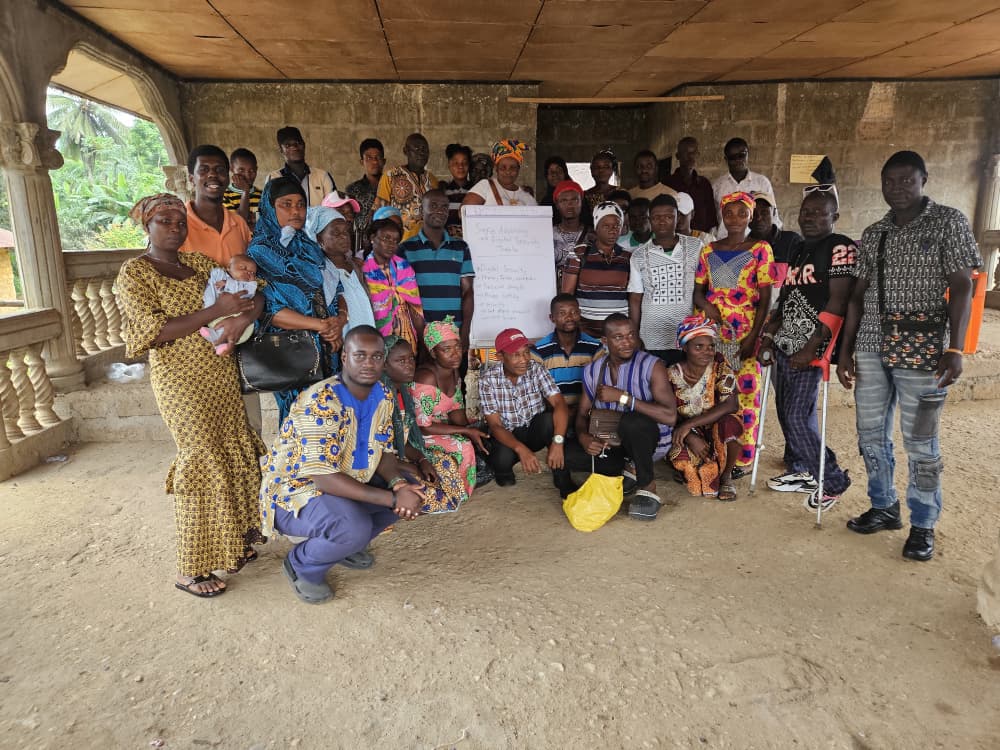
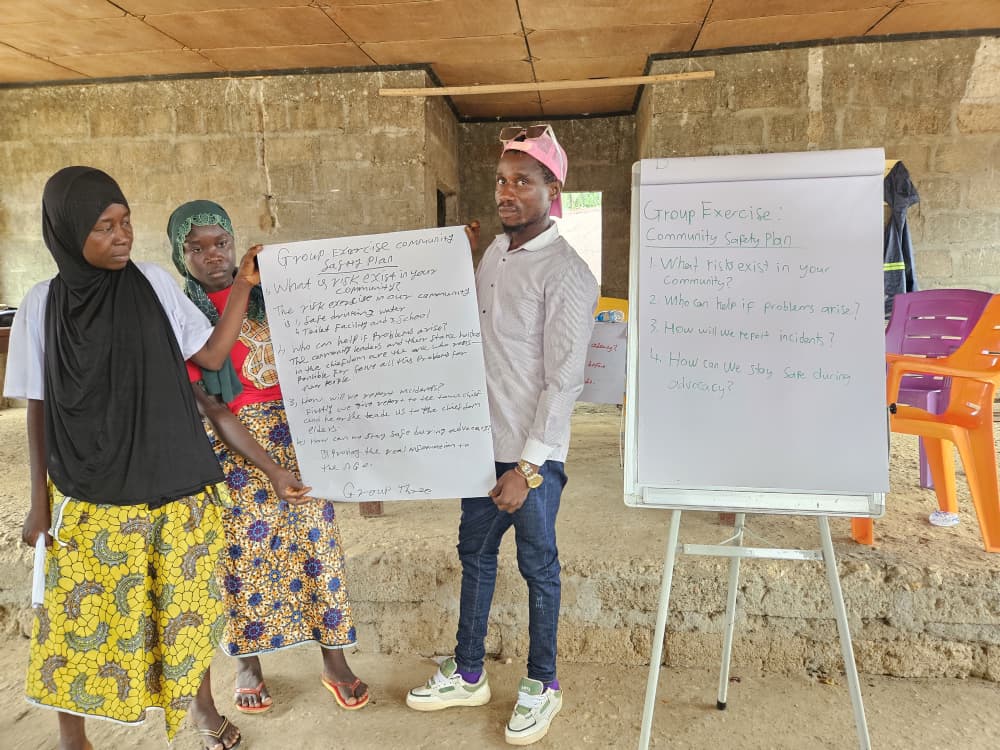
For community protection, the project is training 50 community representatives 25 women and 25 men on safe advocacy and digital security. Community meetings and peaceful actions have been recorded and will be broadcast to increase transparency and amplify local voices.
“Green Scenery has been a victim of SLAPP intimidation techniques and continues to suffer such due to its advocacy work on environmental justice, human rights, and opaque land acquisition processes,” Rahall said during the project’s inception meeting in March.
Recent Activities: Building Capacity and Amplifying Voices
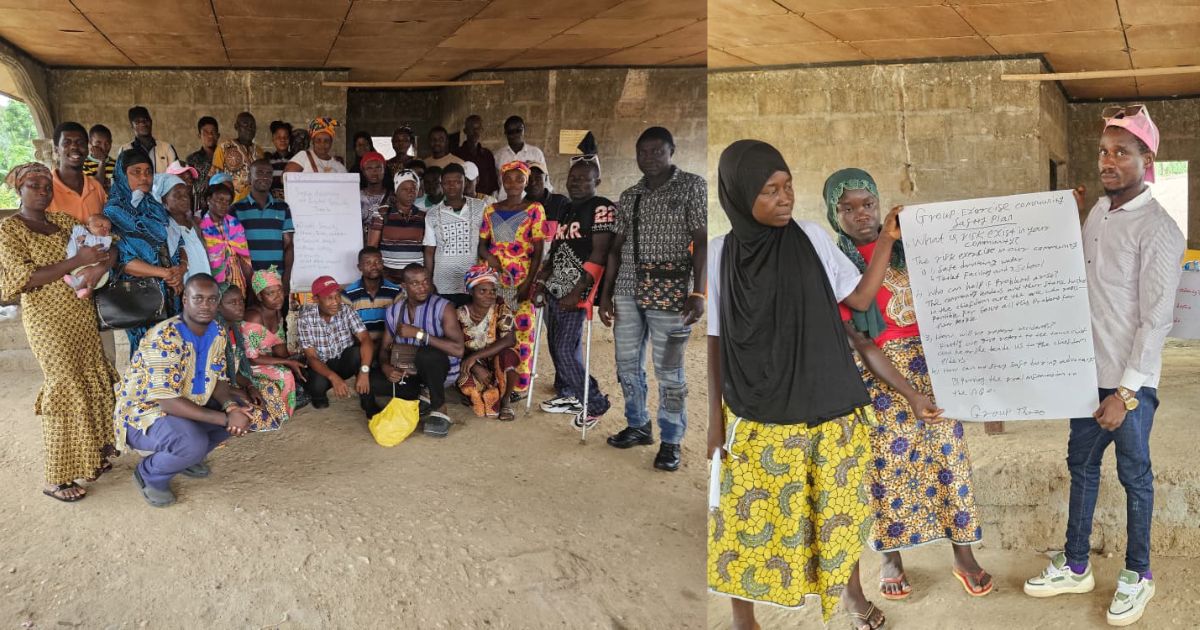
In July 2026, Green Scenery conducted a two-day Safe Advocacy and Digital Security Training in Pujehun District. Thirty-eight community representatives from Malen Chiefdom participated in sessions covering advocacy techniques, risk identification, digital security, and the safe use of social media and messaging applications.
The training also addressed the importance of obtaining consent before capturing images or recordings; a critical issue in communities where non-consensual recording of disputes has led to emotional harm. Participants learned to identify fake content, including deepfakes and manipulated audio.
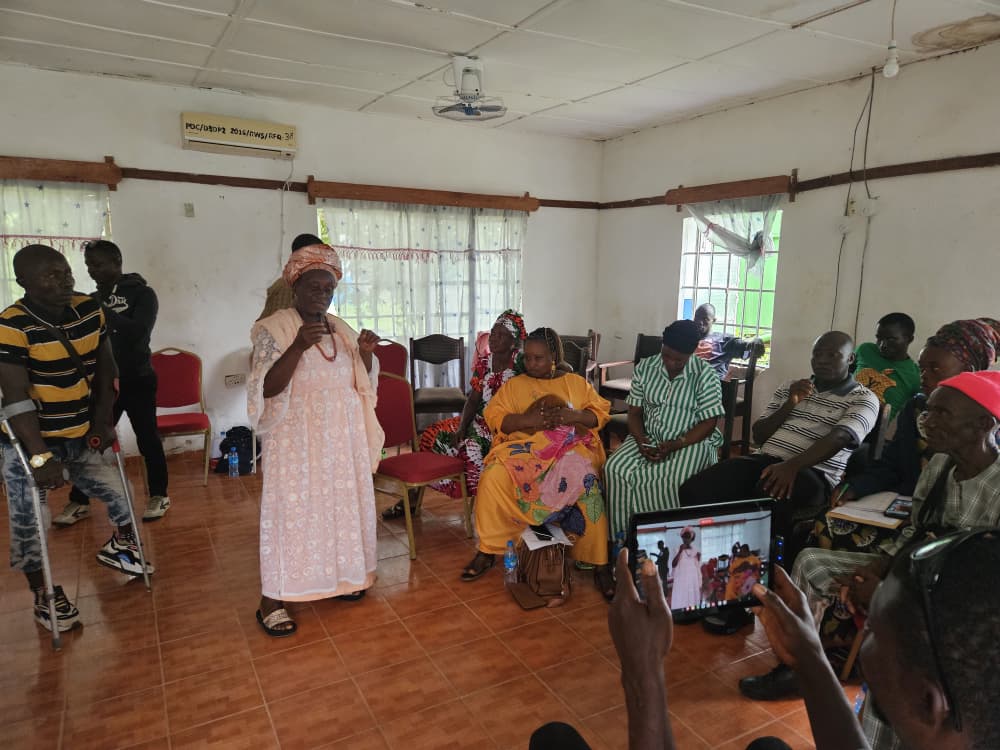
A beneficiary of the project who attended the safe advocacy and digital security training mentioned that she would “go to her community and advise them on safer advocacy methods and warn them of the dangers present online and how to identify them”.
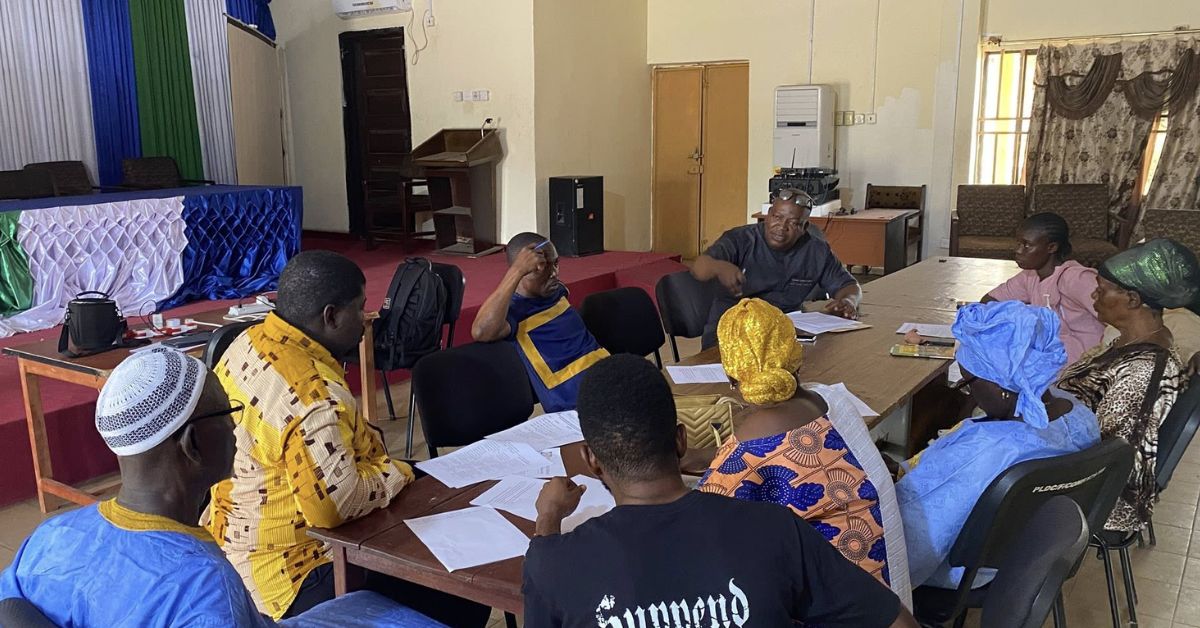
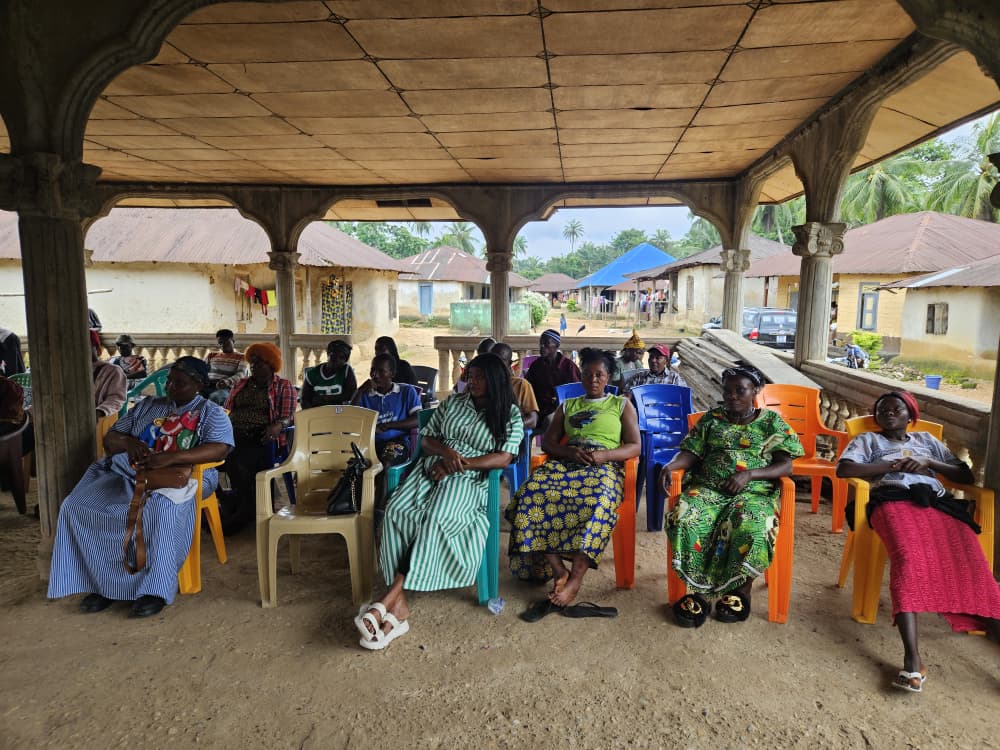
Additionally, a community meeting was held with local leaders and Pujehun district officials. The meeting, which was recorded for later upload to YouTube, brought together representatives from the Pujehun District Council, the Ministry of Social Welfare, the Mammy Queen of Pujehun, and local chiefs.
Discussions focused on women’s land rights, the Gender Equality and Women’s Empowerment Act 2022, the Cyber Crime Act, and the harmful impact of non-consensual recording. Participants highlighted persistent challenges, including instances where women were denied rental housing unless a man signed on their behalf, and cases of gender-based violence linked to land disputes.
A Protective Shield through Visibility
The project recognizes that increased transparency serves as a protective tool. By bringing intimidation, threats and legal harassment into the public eye, Green Scenery aims to reduce the likelihood of further escalation.
Sierra Leone is among the countries where environmental and human rights NGOs are the most frequent targets of SLAPPs, according to the International Center for Not-for-Profit Law. The European Parliament has noted that SLAPPs are “routinely used” against NGOs as an instrument of institutionalized legal oppression, particularly in matters of public interest such as environmental protection, resource extraction and land-use conflict.
Without protection for defenders and affected communities, corporate actors will continue to erode civic freedoms and perpetuate land dispossession and human rights violations in Sierra Leone.
Through legal literacy, digital visibility and collective advocacy, the project aims to turn the tide.