
Child Begging at Freetown Beaches Sparks Calls for Government Intervention
 Osman Tolo Sesay
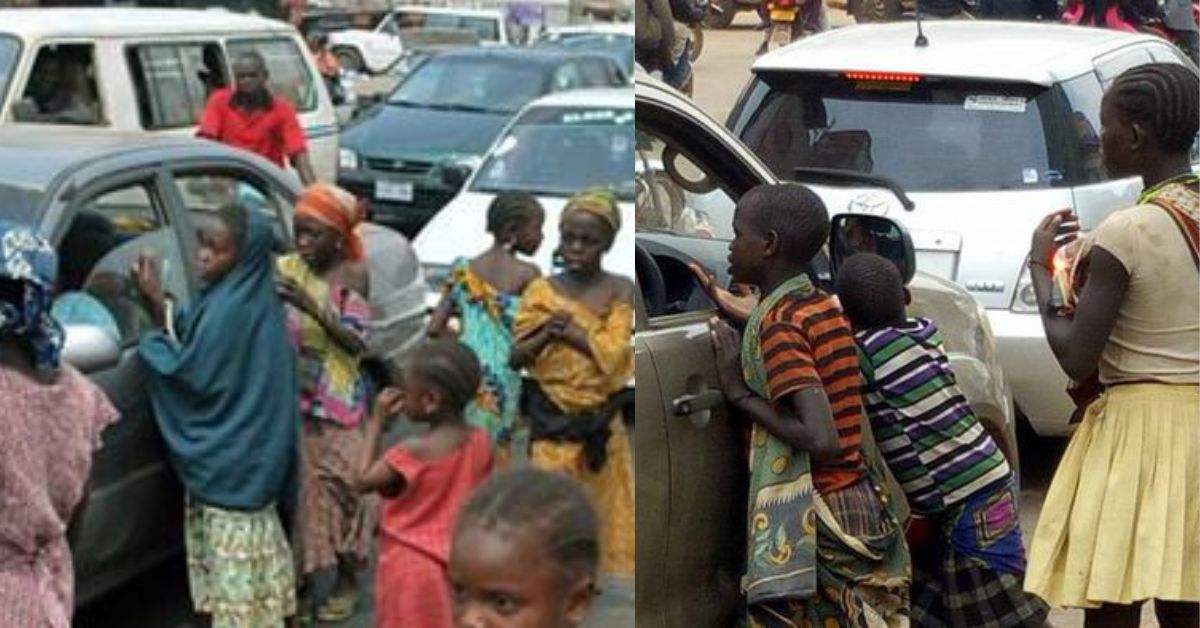
 Calls are growing for stronger government action against street begging in Freetown, with particular concern over young children reportedly being used to solicit money from visitors at Lumley and Aberdeen beaches.
The concern was raised by citizen Charles Sylvanus Boye, who has written to the Ministry of Social Welfare, the Ministry of Gender and Children’s Affairs and the National Tourist Board seeking intervention.
Boye said the issue should be treated primarily as a child-protection concern rather than simply as a nuisance or tourism challenge.


According to Boye, children estimated to be between 2 and 7 years old are reportedly approaching tourists, joggers and other beach users for money while their parents or guardians remain nearby.
“The children should be playing, learning, developing social skills and preparing for a productive future; not being introduced at such an early age to a life of begging,” he stated.
He acknowledged the economic difficulties confronting many families but argued that poverty should not be allowed to justify the exploitation of children. He called for a response that combines compassion for vulnerable families with measures to prevent children from being used to solicit money.
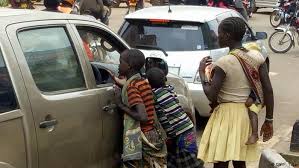
Boye also warned that prolonged involvement in street begging could interfere with children’s education and development. He said failure to address the situation could contribute to a cycle in which begging becomes normalised as a means of survival.
The concerns extend beyond the beaches. The source material describes begging as increasingly visible at major intersections, marketplaces, commercial centres, places of worship and recreational areas across Freetown.
Government authorities have previously identified street begging as part of broader lawlessness and indiscipline concerns in the capital. In 2025, the Ministry of Internal Affairs said its task force was addressing issues including street begging, street trading, traffic offences and other forms of public disorder.
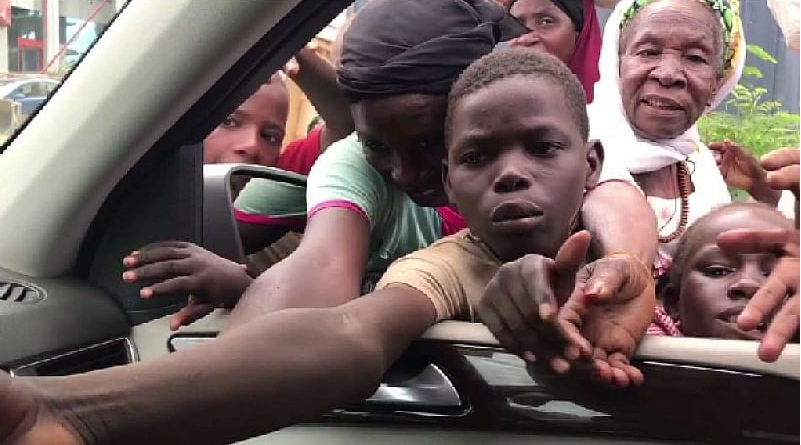
Boye is calling for a coordinated approach involving government ministries, the Sierra Leone Police, Freetown City Council, the National Tourist Board, child-protection organisations and community representatives.
He proposed that authorities register and assess people who beg across Freetown to establish whether individuals require financial assistance, medical care, disability support, housing, education, counselling or employment opportunities.
For children found begging, he called for social workers to assess their circumstances, trace their parents or guardians and connect vulnerable families with appropriate social-protection services.
Boye also urged authorities to support children’s return to school through measures such as school feeding, learning materials and family assistance. He said parents and guardians who depend on begging should have access to vocational training, small-business support, agricultural opportunities or temporary employment.
At the same time, he called for existing child-protection laws to be enforced against adults who deliberately exploit children for financial gain, while stressing that enforcement should be accompanied by rehabilitation and family support.
“This is not a call to criminalise poverty or stigmatise vulnerable mothers. It is a call to protect children,” Charles Sylvanus Boye emphasised.
He further urged the Government to launch a public-awareness campaign discouraging people from giving money directly to children and encouraging those who want to help to use recognised charities and approved social-support programs.
The concerns come amid broader public discussion about the visibility of begging in Freetown. A March 2026 report by Truth Media also described street begging as increasingly common in parts of the capital, including areas around Lumley and Aberdeen, although the report represents the author’s observations rather than official statistics.
Boye said authorities should act before child begging becomes more deeply entrenched, arguing that vulnerable children should have access to education, safe homes and opportunities for development rather than spending their childhood soliciting money from strangers.
Very correct. This is a great concern to us as a nation. Thse children deserve better future. Hopefully the ministry of Social services can look into the situation.
Please allow me if I may say this. It is Very,very, sad and shameful. Look at Burkina Faso, President Ibrahim Traore said there will be NO BEGGING in Burkina Faso. All children should be educated. He is trying to do what is necessary for the citizens and some African leaders supporting foreign leaders to kill Ibrahim Traore. God Himself will not allow them to do that. May God almighty removes them from their dwellings. May God almighty help the government to do what is right for the citizens. Amen. Peace, respect and love. God bless Sierra Leone.