
Hon. Jaway Sesay Raises Concerns Over NASSIT Investments, Calls for Forensic Investigation
 Aaron Parker
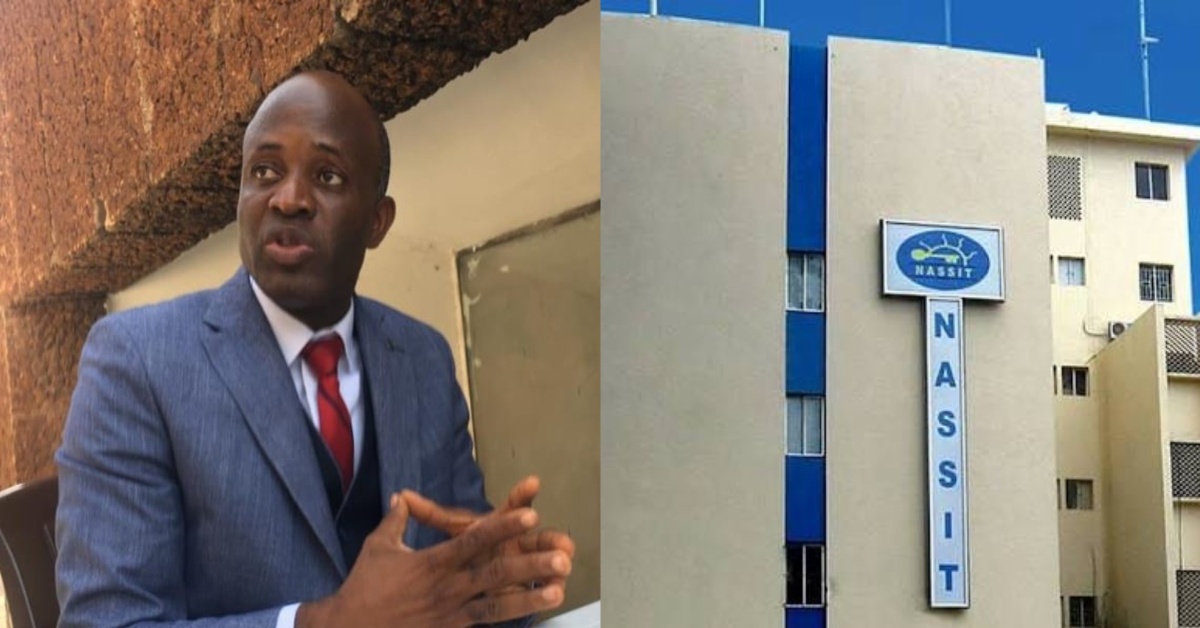
 Member of Parliament representing Tonkolili District and a member of Parliament’s Labour Committee, Hon. Jaway Sesay, has raised concerns over the management and investment activities of the National Social Security and Insurance Trust (NASSIT), calling for a comprehensive review of the institution’s operations.
Speaking in an interview with Star Radio, Sesay said he has a particular interest in NASSIT because of his previous experience working at the institution, where he served under three Director Generals.
He explained that NASSIT’s primary mandate is to administer social security benefits and pensions to employees, stressing that the institution’s financial health is therefore critical to the welfare and future of contributors and pensioners.

Sesay recalled that when he started working at NASSIT, the institution had about 5,000 pensioners. However, he said the introduction of a biometric verification system reduced the number to approximately 3,000, which he described as an indication of the level of fraud that had previously existed within the pension system.
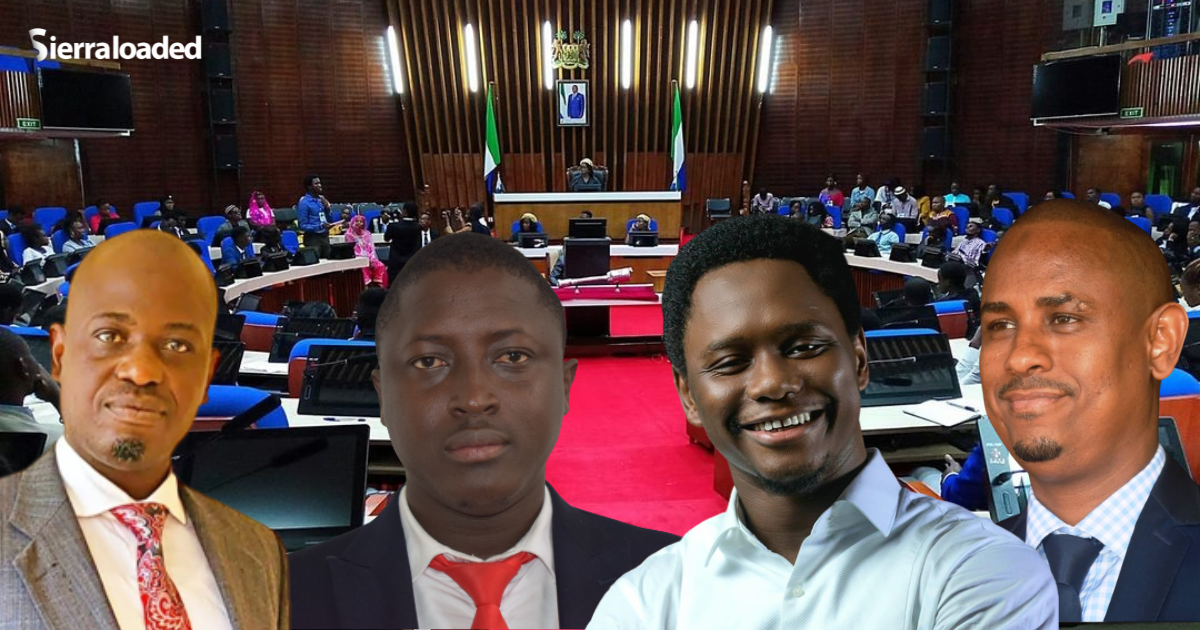
The lawmaker said his major concern now is the performance of NASSIT’s investments and the growing concerns among contributors over whether the institution will be able to meet its future obligations.
According to him, based on his own research, some of NASSIT’s investments have not been performing profitably, particularly during the tenure of former Director General Fuad Dabor.
Sesay said the concerns surrounding NASSIT’s investments have affected public confidence in the institution, with some contributors becoming increasingly worried about the security of their future benefits.
He called for the former Director General and other senior officials who were responsible for the institution’s management during the period in question to be invited to explain and respond to the allegations.
The Tonkolili lawmaker specifically cited the Sewa Ground Market project, which he said was initially valued at about US$12 million, with approximately US$7 million already paid and a balance of about US$4 million outstanding.
Sesay alleged that during Dabor’s tenure, changes were made to the contractors handling the project, resulting in the cost being increased to about US$15 million. He further alleged that when the market was opened in 2025, the then Director General announced that the project had ultimately cost more than US$20 million.
He questioned why NASSIT was still funding the project despite the market having already been opened, and called on the former Director General and his deputies to provide clarification on the project’s finances and implementation.
Sesay said his concerns were not limited to the Sewa Ground Market, alleging that there were other NASSIT projects where costs were increased and previously established contracts were altered or replaced with new arrangements.
He stressed that, as a contributor and someone with experience at the institution, he is concerned about the current state of NASSIT’s investments and whether they are generating sufficient returns to protect the interests of pensioners and contributors.
The MP also raised concerns about what he described as growing demotivation among staff, citing changes made to the institution’s organisational structure under the former Director General.
According to Sesay, the changes to NASSIT’s organisational structure affected staff performance, while alleged irregularities in promotions contributed to dissatisfaction among long-serving employees who, he said, were sometimes overlooked in favour of newly recruited personnel.
He further claimed that NASSIT’s administrative expenditure is now surpassing its income, describing the situation as a serious concern that requires urgent attention.
Sesay called for an overhaul of the institution and urged the newly appointed Director General to establish the true financial and operational status of NASSIT through a comprehensive forensic investigation.
He recommended that the findings of such an investigation be documented and presented to President Julius Maada Bio to inform decisions aimed at strengthening the institution.
The lawmaker also called for vehicles allegedly used by the former administrative head of NASSIT to be returned to the institution, arguing that all institutional assets should be properly accounted for and preserved for the benefit of contributors and pensioners.
Sesay emphasised that the primary objective should be to restore confidence in NASSIT, strengthen its investment portfolio, improve accountability and ensure that the institution remains financially capable of meeting its obligations to current and future pensioners.