

Caritas, Trócaire Strengthen Disaster Preparedness in Western Area Communities
 Alusine Ahmed Kargbo
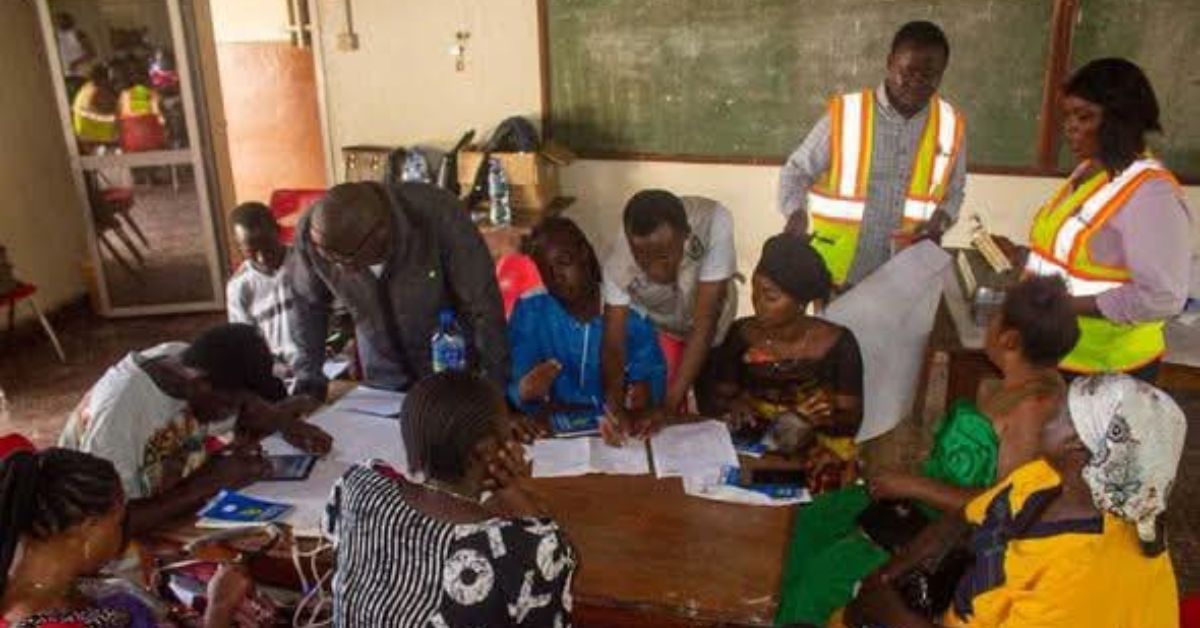
 Community volunteers from three flood-prone communities in Western Area Urban have strengthened their emergency response skills following a two-day disaster preparedness and simulation exercise led by Caritas Freetown with financial support from Trócaire.
The exercise, held on Aug. 17–18, brought together 45 participants, including 30 members of Community Disaster Management Committees (CDMCs) from Bottom Oku, Moa Wharf and Moyiba, as well as 15 staff members and volunteers from Caritas Freetown.
Organizers said the initiative forms part of a broader project aimed at strengthening community disaster preparedness, flood mitigation, climate resilience and emergency response systems in high-risk communities across Sierra Leone’s capital region.

Rather than relying solely on classroom instruction, the training used practical and participatory exercises that drew on residents’ experiences with recurring hazards, including flooding, fires and landslides.


The first day, held at Edward Compound in Kingtom, focused on disaster memory mapping and community risk assessment. Participants documented previous emergencies, identified local hazards and discussed patterns of vulnerability in their communities.
Daniel Bob Jones, Chair of the CDMC National Secretariat, led discussions on community experiences with disasters, communication pathways and the identification of local responders. Participants also examined how recurring flooding and other emergencies have affected their settlements.
Training partners from the National Disaster Management Agency (NDMA), including facilitator Philomena, introduced participants to key disaster management concepts such as hazard, risk, vulnerability, capacity, mitigation, preparedness and resilience.
The session also focused on identifying high-risk areas, vulnerable groups, early warning signals and available community resources.
First aid training, delivered by Paul Kargbo of the Sierra Leone Red Cross Society, completed the first day. Participants learned basic emergency response techniques for incidents including drowning, fires and accidents while awaiting professional medical assistance.
The second day shifted to practical field activities at Kolleh Town, where participants applied the lessons through risk mapping and emergency response simulations.
Jones, in his opening remarks, emphasized the importance of early action, urging community members to identify risks in advance, keep evacuation routes clear and strengthen coordination before emergencies occur.
Participants also discussed rescue preparedness and the need for basic emergency equipment, including ropes, gloves, cutters, headlamps and hammers. Trainers stressed that volunteers must prioritize their safety and use equipment properly, particularly during emergencies requiring professional intervention.
Red Cross facilitators reinforced first aid skills through hands-on demonstrations, while participants identified additional hazards such as blocked drainage systems, unsafe structures, poor road access and flood-prone areas.
The communities also mapped critical infrastructure, including health facilities, schools, markets, roads, water sources, open spaces and communication points that could play important roles during emergencies.
The exercise concluded with simulation drills that allowed CDMC members to practice coordinated responses to realistic emergency scenarios. Organizers said participants will continue applying the skills during follow-up community risk-mapping activities in their respective settlements.
Caritas Freetown and Trócaire said the initiative is intended to strengthen local first-response capacity by equipping community structures with practical knowledge, emergency skills and coordination mechanisms to reduce the impact of disasters.
They added that strengthening CDMCs in collaboration with local authorities and humanitarian partners remains central to improving disaster preparedness and resilience in flood-prone urban communities across Western Area Urban.