

SLPHA Backs “Catch Them Young” Initiative to Shape Future Leaders
 Kanja Sesay
 The Sierra Leone Ports and Harbours Authority (SLPHA) is supporting efforts to introduce young people to ethical leadership, integrity and conflict prevention through the “Catch Them Young” initiative in the Western Area.
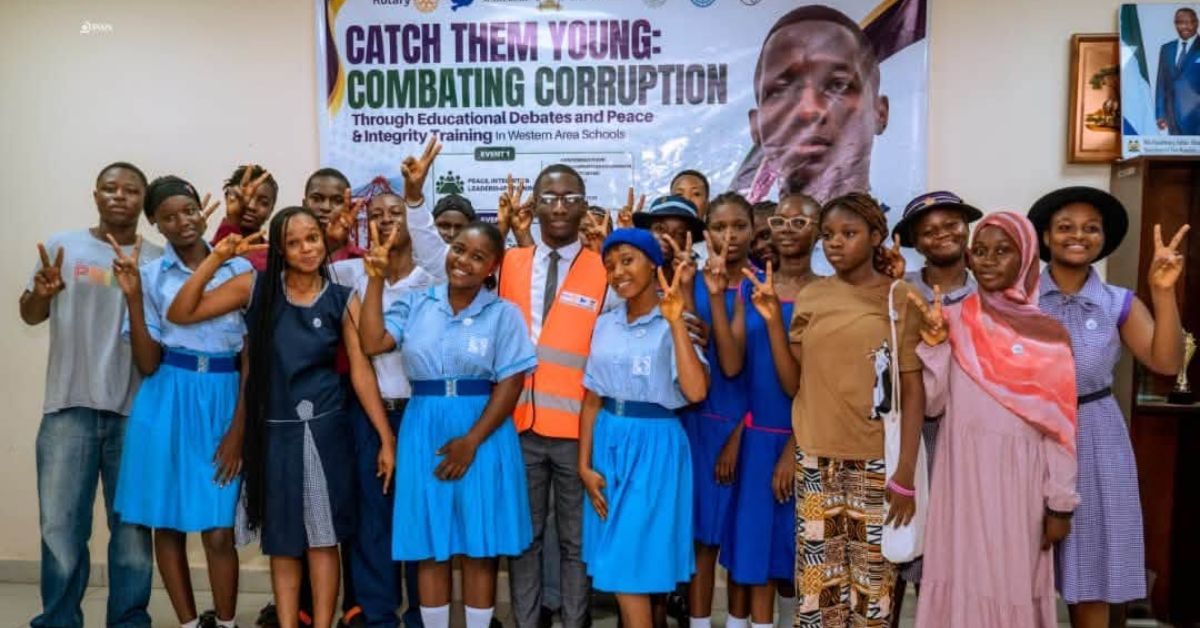
The programme, titled “Catch Them Young: Combating Corruption Through Educational Debates and Peace & Integrity Training,” brings together senior secondary school students for discussions and training on integrity, accountability, peacebuilding and responsible citizenship.
The initiative is led by Rotary Peace Fellow Alex A. Bah, who also serves as head of public relations at Sierra Leone’s Anti-Corruption Commission (ACC).

A recent training session was held at the Integrity House Conference Room in Tower Hill, where students took part in discussions on preventing conflict and building stronger relationships within their schools and communities.
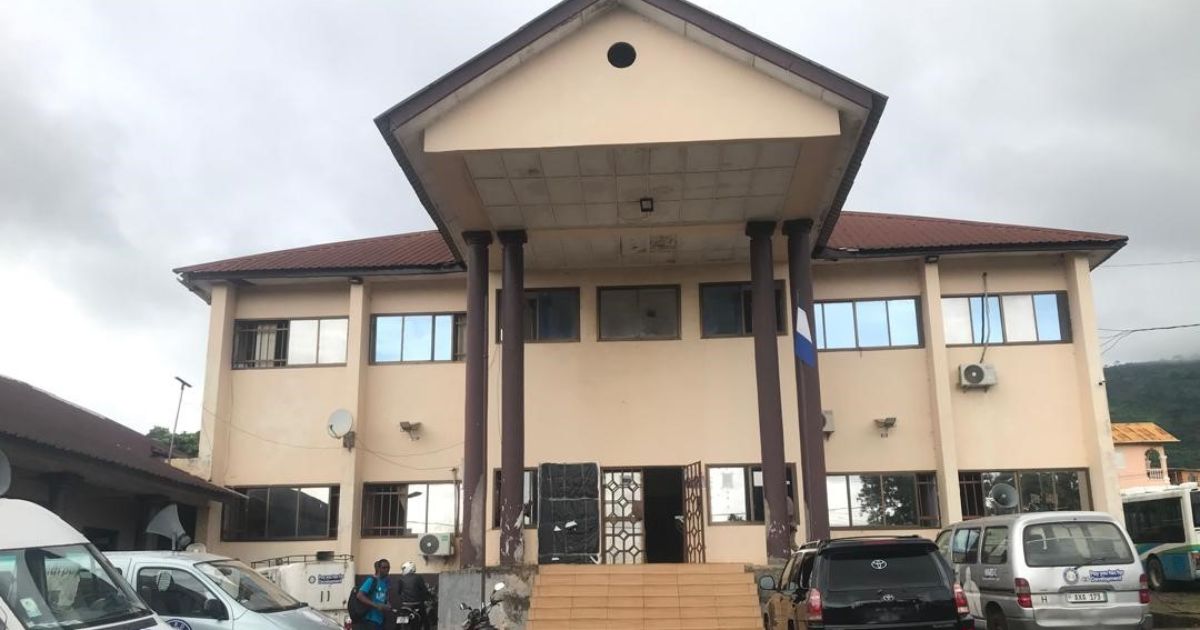


The session was facilitated by Titus Mohamed Kallon, acting director of conflict prevention at the Independent Commission for Peace and National Cohesion (ICPNC).
The training was conducted under the theme “Peace Begins With Us: Young People, Conflict Prevention and Building Social Cohesion.”
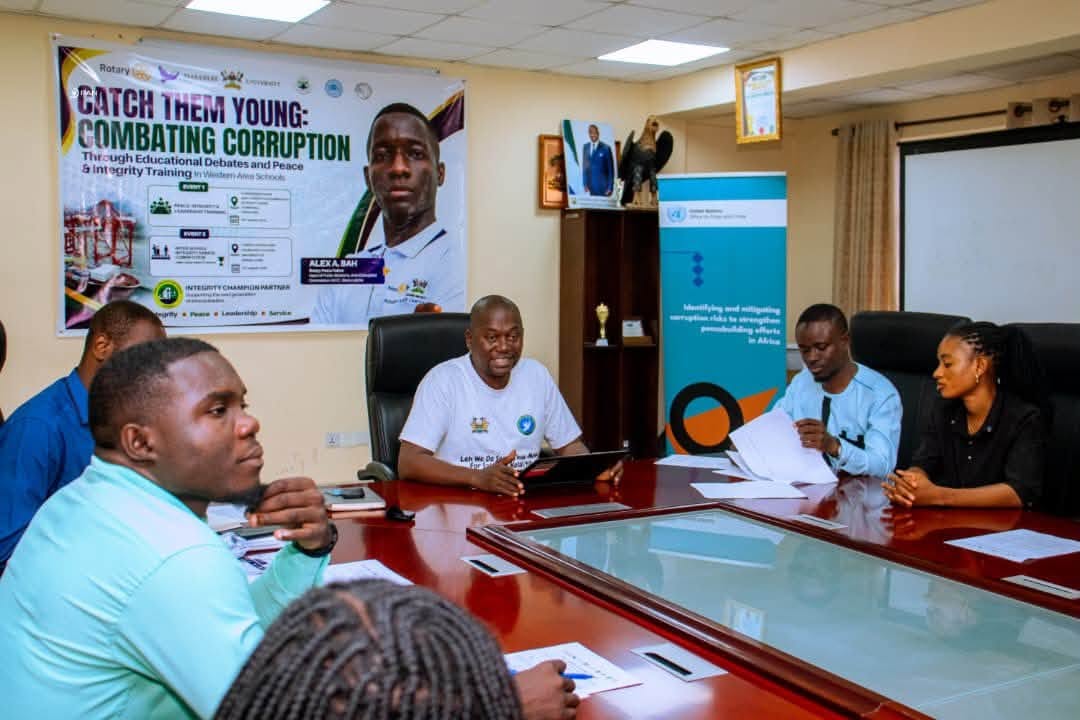
SLPHA is participating in the programme as an Integrity Champion Partner, reflecting its stated commitment to promoting accountability and ethical conduct.
Speaking during the training, Mac’Ivan Kakpindi Vandy, SLPHA’s head of media and public relations, told students that integrity should extend beyond simply knowing what is right.
“Integrity is doing the right thing when nobody is watching,” Vandy said.
He also reminded the students that positions of public responsibility should be treated as a duty rather than a personal benefit.
“Public office is not personal property. Public resources are not personal resources,” he said.
Vandy also challenged the common description of young people as merely “leaders of tomorrow.”
“You are leaders today,” he told the participants.
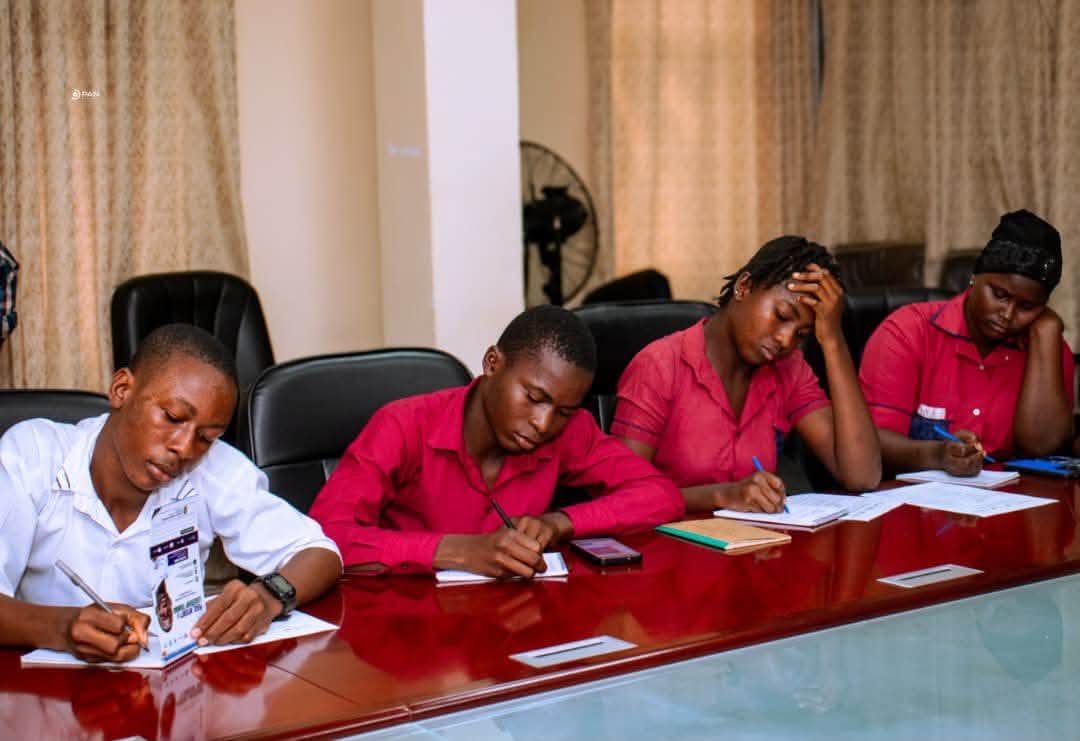
The session also examined how conflicts develop in schools and communities and what young people can do to prevent disagreements from becoming more serious.
Students discussed common sources of conflict and considered practical ways of resolving disputes.
Among the approaches highlighted were active listening, respecting different opinions and using constructive dialogue.
The programme therefore combines anti-corruption education with peacebuilding, encouraging students to consider how their everyday decisions and interactions can affect their schools and wider communities.
SLPHA’s support for the initiative comes as the Authority points to its own performance under Sierra Leone’s national anti-corruption framework.
According to the information provided for the programme, SLPHA recorded an 87% compliance score in the National Anti-Corruption Strategy (NACS) 2024-2028 monitoring report.
The Authority was reported to have jointly ranked first among Agencies, Authorities and Commissions, alongside the Sierra Leone Airport Authority.
The result was cited as part of the rationale for SLPHA’s involvement as an Integrity Champion Partner.
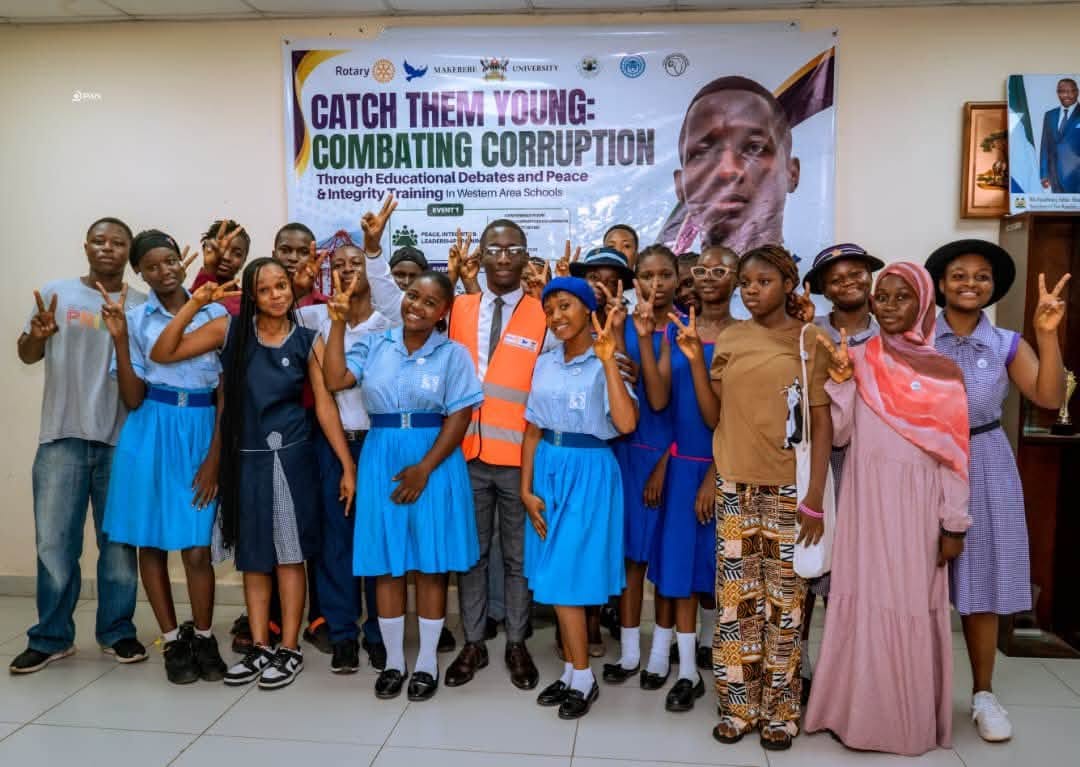
The “Catch Them Young” initiative is being implemented in partnership with the Anti-Corruption Commission (ACC) and the West African Youth Network (WAYN), together with other strategic partners.
Its activities focus on developing young people’s understanding of integrity, anti-corruption, ethical leadership, conflict prevention and social responsibility.
The approach is consistent with the ACC’s existing efforts to engage students through Integrity Clubs in secondary schools and Accountability Now Clubs in colleges and universities.
These programmes are intended to expose young people to accountability and anti-corruption principles while they are still in school and university.
The latest training places that work within a broader focus on peacebuilding and social cohesion, giving students an opportunity to discuss how they can respond to conflicts before they escalate.
For the participating students, the programme is aimed not only at preparing them for future leadership roles but also at encouraging responsible behaviour in their schools and communities to