
Kroo Bay Residents, Innovators Join Forces to Tackle Waste and Flooding Crisis
 Sia Lucy Kannah
 More than 70 residents from all nine zones of Kroo Bay have joined forces with 20 selected innovators to develop practical, community-driven solutions to the coastal community’s persistent waste and flooding crisis.
The collaboration is taking place under the Kroo Bay Resilience and Circular Waste Innovation Pilot, an initiative being implemented by Felei TechCity in partnership with the Ministry of Communication, Technology and Innovation (MCTI), with support from the Sierra Leone Digital Transformation Project.
The initiative seeks to move Kroo Bay beyond periodic clean-up exercises by developing long-term, revenue-generating waste management systems that can help address environmental and flooding challenges in the vulnerable coastal settlement.

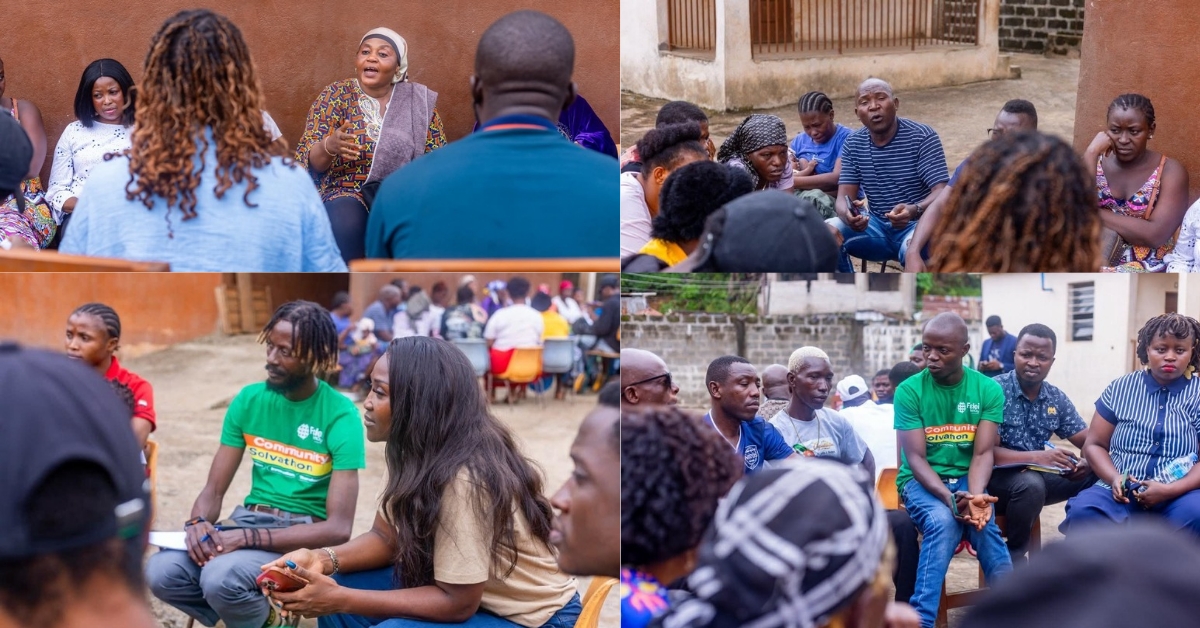
As part of the multi-day Felei Community Solvathon: Kroo Bay Edition, innovators began by engaging directly with residents to understand the community’s waste management challenges before developing potential solutions.



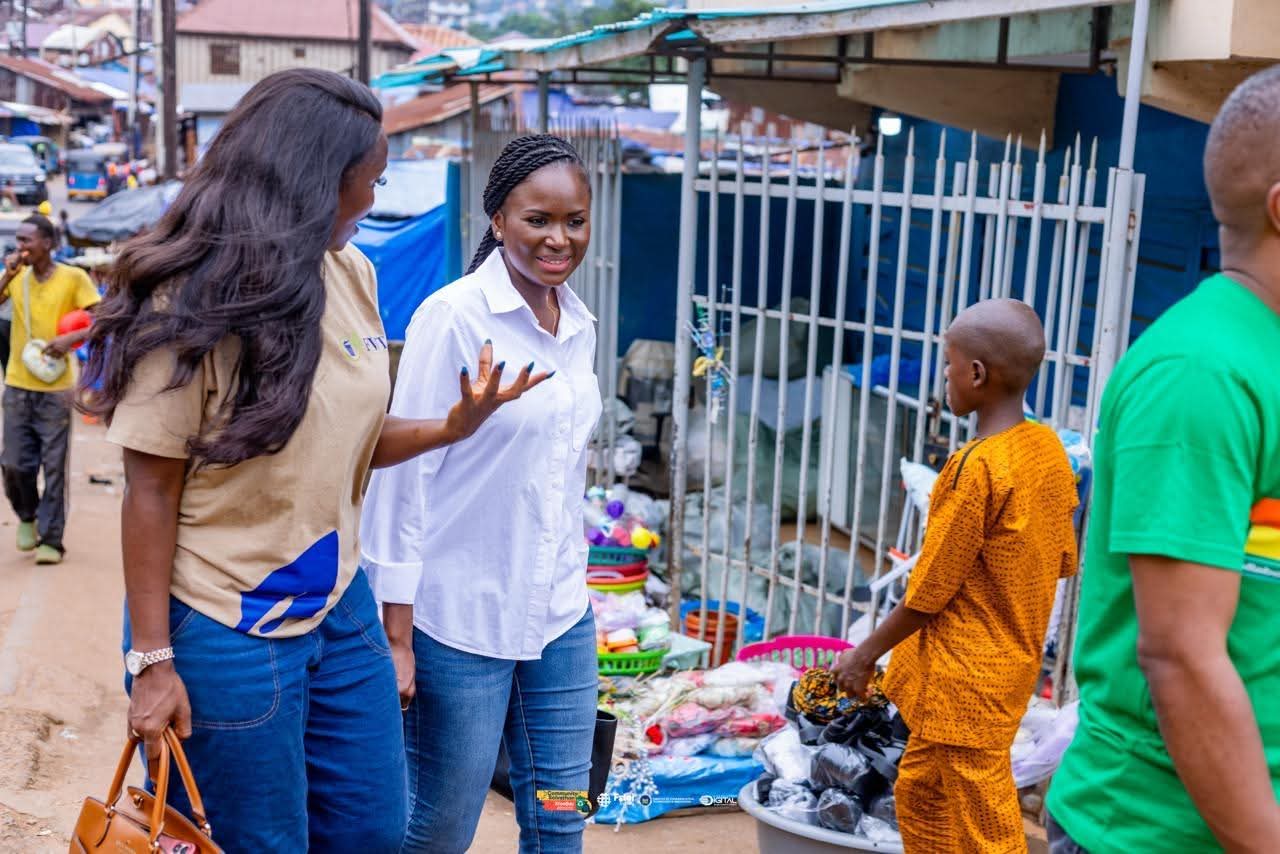
The opening day focused on community immersion and active listening, with innovators mapping how materials move through Kroo Bay and identifying key challenges faced by residents. Some community members involved in the exercise have lived in Kroo Bay for more than 30 years.
Opening the Solvathon, Minister of Communication, Technology and Innovation Salima Bah emphasized the importance of developing solutions that have a direct impact on communities.
“Innovation does not always have to be hi-tech,” Minister Bah said. “Sometimes, the most useful innovations are simple, practical ideas that respond directly to the challenges people face in their communities.”
David E. Manley, CEO of Felei TechCity, commended the participating youth and innovators for combining their technical expertise with the lived experiences of Kroo Bay residents.
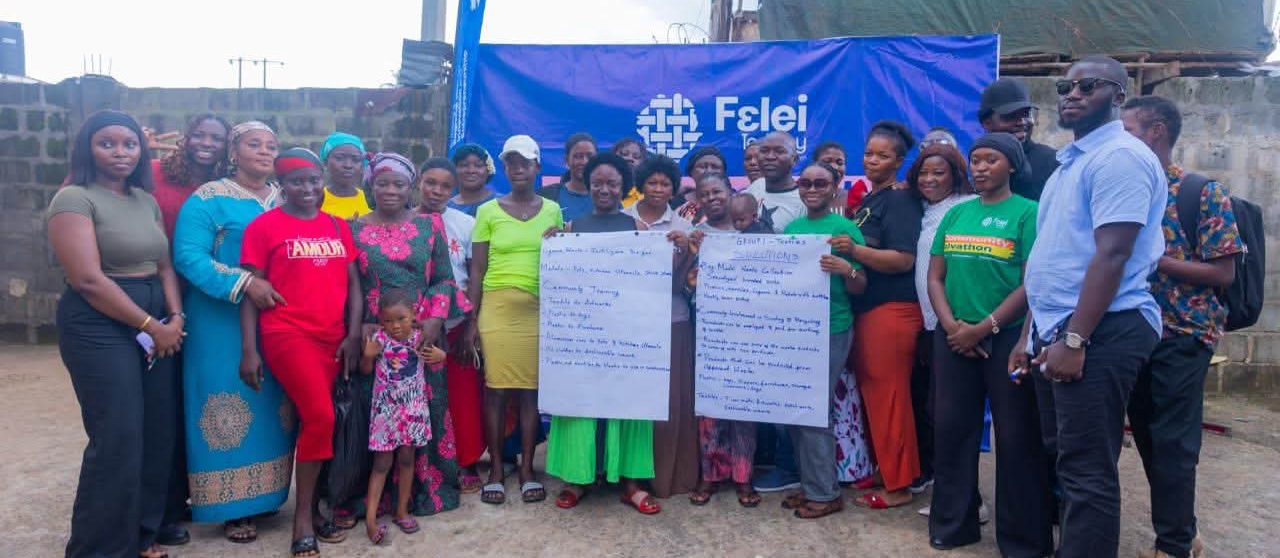
The teams focused their work on four major waste streams: organic waste, plastics, metals, and textiles.
Four multidisciplinary teams subsequently developed operational models tailored to Kroo Bay’s geography and infrastructure, moving the initiative from identifying problems to designing practical interventions.
The proposed models will undergo further refinement before being prepared for pilot testing in the community.
Through improved systems for waste separation, collection and recycling, alongside clear financial incentives and operational structures, the initiative aims to turn Kroo Bay’s long-standing environmental and public health crisis into sustainable economic opportunities for the community.