

“Ain’t Nothing Cultural About Cutting Clitorises” – Josephine Kamara
 Kanja Sesay
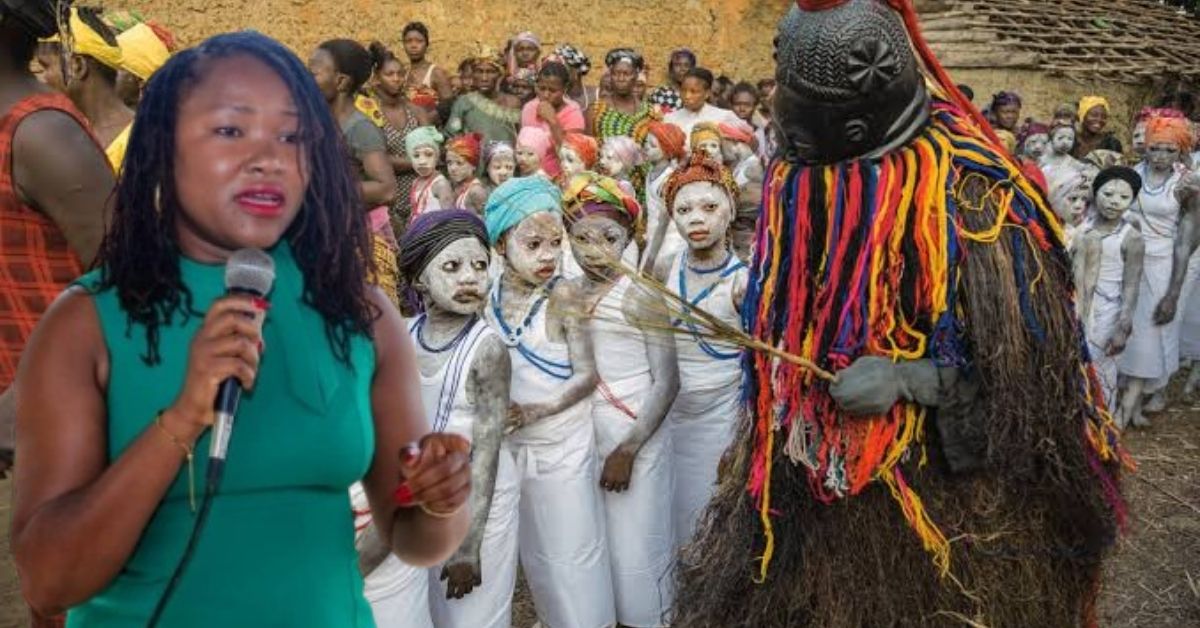
 Advocacy Director of Purposeful, Josephine Kamara, has renewed her call for Sierra Leone to introduce an explicit legal ban on Female Genital Mutilation (FGM), arguing that the practice should be treated as a human rights violation rather than protected as a cultural tradition.
Speaking at the launch of a cross-border publication on zero tolerance for FGM in West Africa on August 28, 2026, Kamara said she remained optimistic that Sierra Leone would eventually strengthen its legal framework to prohibit the practice.
Her position comes amid continuing debate over the country’s approach to FGM, particularly following the removal of an explicit provision criminalising FGM from amendments to the Child Rights Act and a 2025 ruling by the ECOWAS Court concerning Sierra Leone’s legal obligations.

Kamara’s optimism is rooted in what she describes as the progress made by the anti-FGM movement and the lessons learned from years of advocacy.

At the August 28 publication launch, she emphasised the importance of documenting the movement’s experiences and achievements while encouraging renewed efforts to eliminate FGM across West Africa.
She also pointed to the landmark ECOWAS Court case involving survivor Kadija Balamai Allieu, which challenged aspects of Sierra Leone’s legal framework surrounding FGM.
For Kamara, the case demonstrates the importance of survivors, lawyers, civil society organisations and international partners working together to challenge practices that affect the rights and safety of women and girls.
Her advocacy has also extended to national coordination efforts. In August 2026, the National Steering Committee on the Elimination of FGM was established to bring together government institutions, United Nations agencies and civil society organisations working to end the practice.
Kamara has described stronger coordination as essential to maintaining pressure for legal and social change.
Kamara has increasingly connected the campaign against FGM with Sierra Leone’s efforts to end child marriage.
Sierra Leone passed legislation banning child marriage in 2024, a development welcomed by child-rights and women’s-rights advocates.
However, Kamara has argued that the law cannot fully address child marriage while FGM remains lawful in circumstances where girls are subjected to the practice.
She has described FGM as an institution that can function as a “marketplace for marriage”, arguing that the practice is often associated with a girl’s transition into womanhood and can reinforce expectations around marriage.
“If you refuse to solve it, and if you’re silenced about it, then any action to end child marriage might just be lip service,” she warned.
Kamara argues that the two issues cannot be treated entirely separately because the social expectations surrounding initiation can contribute to pressure on girls to enter marriage.
She has also highlighted reports of girls being initiated at very young ages, saying that some communities continue to view FGM as part of the transition into adulthood.
“Ain’t Nothing Cultural About It”
At the centre of Kamara’s advocacy is her rejection of the argument that FGM should be protected because it is considered a cultural practice.
She acknowledges that FGM is deeply connected to cultural and traditional structures in some communities but argues that cultural identity should not be used to justify harm or violations of bodily autonomy.
“We know why they’re refusing to talk about it, FGM marks itself in culture: ‘this is our culture, this is our practice,’” she said.
But Kamara’s response is unequivocal:
“But ain’t nothing cultural about cutting clitorises, it’s a human rights violation.”
Her argument reflects the broader position of anti-FGM advocates who maintain that cultural traditions should not override the rights, health and bodily integrity of women and girls.
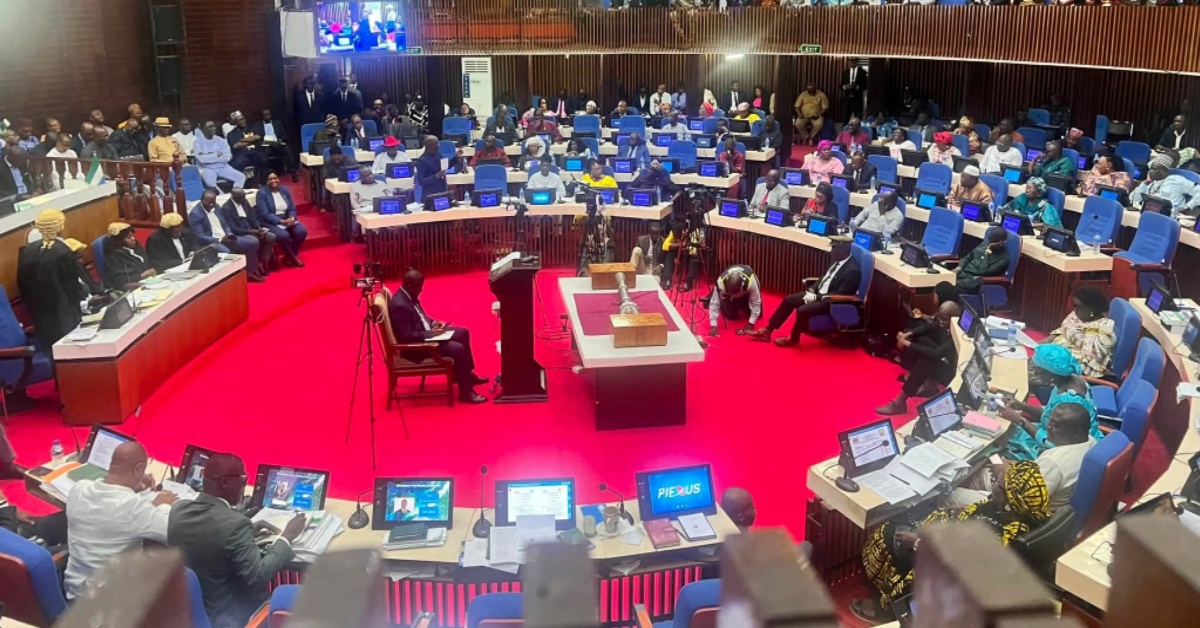
Much of the current debate centres on Sierra Leone’s amended Child Rights Act.
Government officials have maintained that children should be protected from FGM. Information Minister Chernor Bah, for example, has stated that “no child under 18 should undergo FGM.”
However, an explicit provision that would have criminalised FGM for minors was reportedly removed during the parliamentary process.
Gender Minister Dr. Isata Mahoi subsequently expressed disappointment over the removal, saying her ministry had supported the provision and that it had also received backing from President Julius Maada Bio.
The development has left activists questioning how the government’s stated position against FGM can be reconciled with the absence of an explicit prohibition in the amended legislation.
Kamara has argued that this legal uncertainty can create space for those who continue to carry out the practice.
Kamara has also raised concerns about what she describes as an increase in FGM initiations following the legislative debate.
She has cited an incident in Gbo-Kakajama, where she said as many as 50 underage girls were subjected to a mass initiation ceremony, including a child reportedly as young as three years old.
Such claims underline the concerns raised by activists about the vulnerability of children in communities where FGM remains widely practised.
Kamara has argued that the absence of an explicit legal prohibition could give what she calls “bad actors momentum to move in its place”, potentially increasing the risk of violence against women and girls.
The specific circumstances surrounding reported initiation cases should, however, be established through independent investigations and appropriate authorities.
Another major issue in Kamara’s campaign is the ECOWAS Court ruling of July 2025 involving Sierra Leone and FGM.
The ruling has been cited by activists as placing obligations on Sierra Leone to strengthen its legal protection against the practice.
Kamara has criticised what she considers the government’s failure to implement the ruling fully, arguing that the decision should result in concrete legislative action.
The continuing debate illustrates the tension between Sierra Leone’s international and regional human-rights commitments and the country’s domestic political and cultural sensitivities surrounding FGM.
Despite these setbacks, Kamara maintains that the campaign to end FGM is gaining strength.
She believes greater coordination between government, civil society, survivors, lawyers, international organisations and communities can create the pressure needed for legislative change.
The launch of the cross-border publication on August 28 was presented as part of that wider effort, providing an opportunity to document the history of the movement while encouraging renewed regional action.
For Kamara, the objective remains clear: Sierra Leone should move beyond statements of concern and establish stronger legal protections for girls and women.
Her message is captured in the words she has repeatedly used to challenge the cultural defence of FGM:
“There ain’t nothing cultural about cutting clitorises.”
For her, ending the practice will ultimately require more than advocacy. It will require clear laws, effective enforcement, survivor-centred support and sustained community engagement.
Is the first lady aware