

SLAJ Demands Stronger Constitutional Protection for Press Freedom
 Aminata Koroma
 The Sierra Leone Association of Journalists (SLAJ) is pushing for free speech and press freedom to be given a dedicated chapter in Sierra Leone’s proposed new Constitution, arguing that existing constitutional provisions do not provide sufficiently clear and strong protection for citizens and the media.
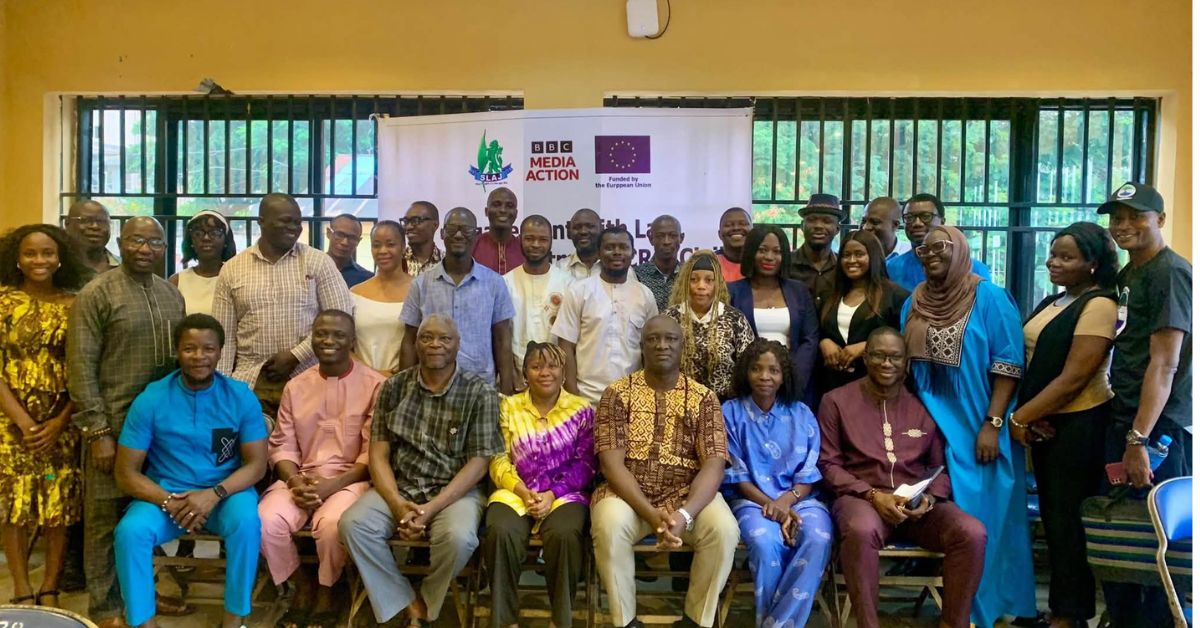
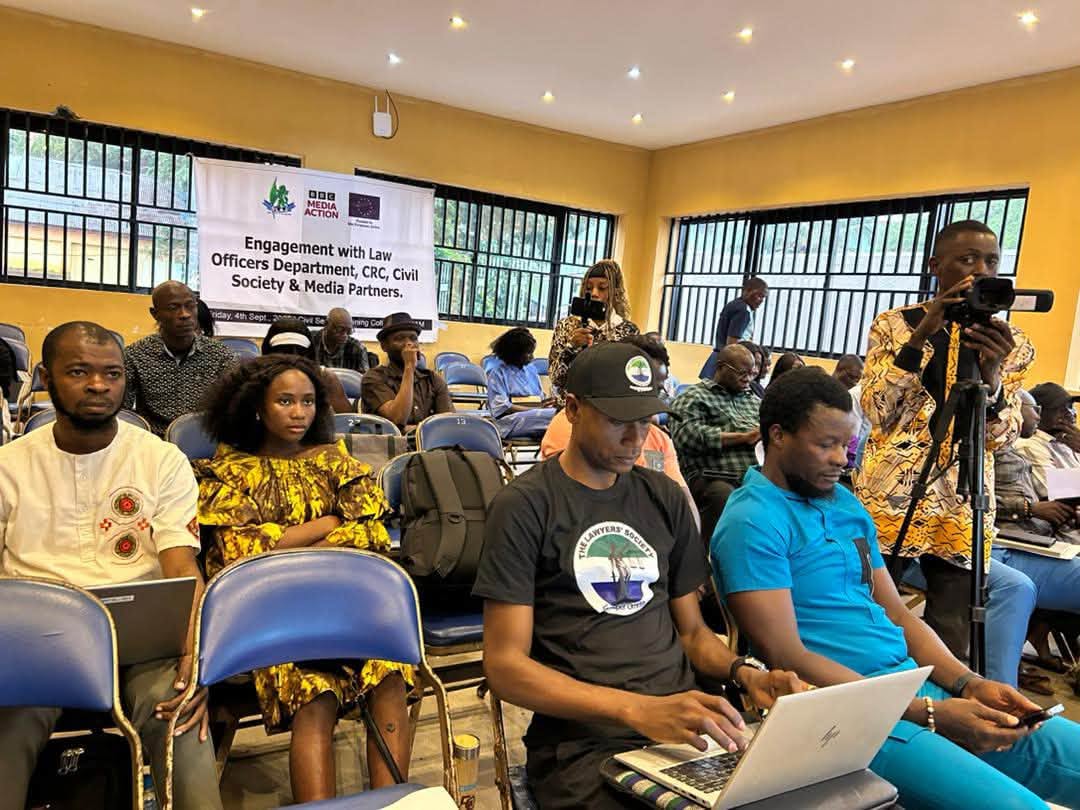
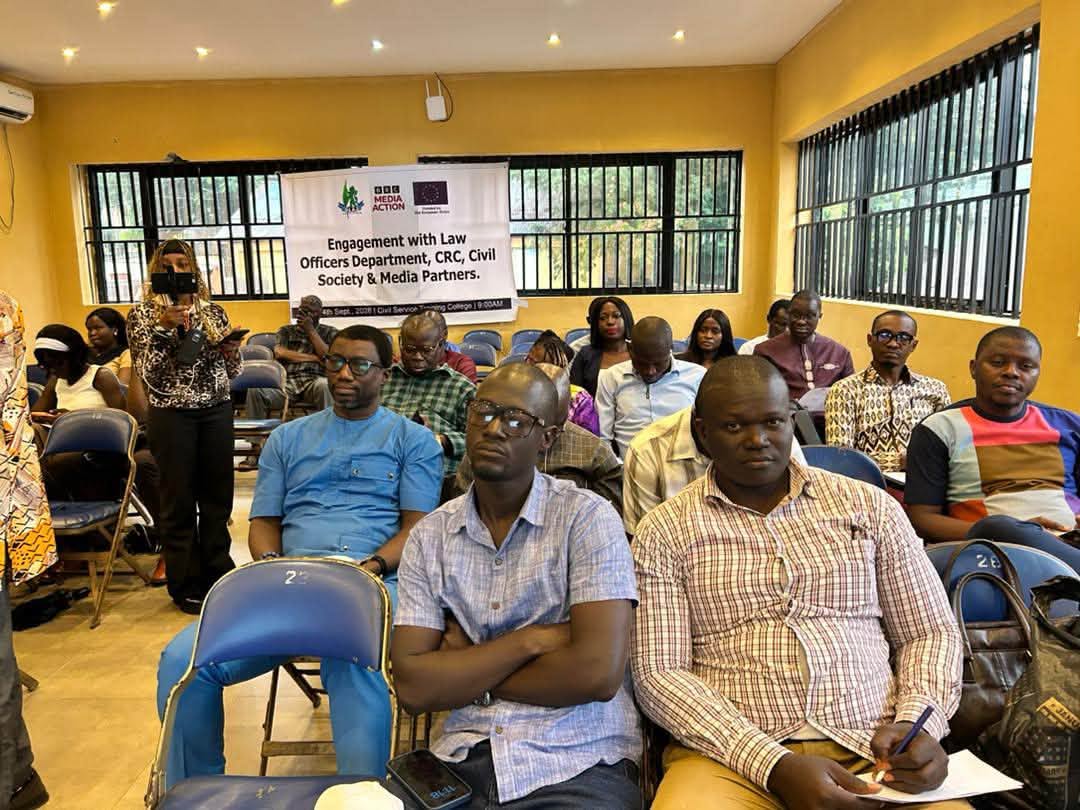
SLAJ President Alhaji Manika Kamara made the case on Friday, 4 September 2026, during a stakeholder engagement at the Civil Service Training College on State Avenue in Freetown.
The engagement brought together representatives from the Law Officers’ Department, human rights activists, civil society organisations, the Inter-Religious Council, the Children’s Forum Network, women’s organisations and media stakeholders to discuss the proposed stand-alone chapter.


President Kamara said the proposal was not intended solely to protect journalists but to safeguard the fundamental rights of all citizens.
“The stand-alone chapter is not just for journalists but for the citizens of Sierra Leone. It guarantees the right to express oneself freely within the bounds of the law and protects the media’s independence from undue interference,” he said.
He noted that Sections 11 and 25 of the 1991 Constitution already provide guarantees for freedom of expression and the press but argued that a dedicated constitutional chapter would offer stronger and more explicit protection.
According to Kamara, the proposal also reflects recommendations contained in the Justice Cowan Constitutional Review Committee’s report, which called for media rights to be separately enshrined in the Constitution rather than being subsumed under broader provisions.
“The Cowan Report recommended that media rights and free speech be given their rightful place in the Constitution-a clear, dedicated chapter that leaves no room for ambiguity,” he said.
SLAJ is also looking to constitutional experiences in other African countries, with Ghana and South Africa cited as examples of jurisdictions where freedom of expression and media rights receive stronger constitutional protection.
Lawyer Paul Kamara, who presented the conceptual framework for the proposed chapter, stressed that constitutional protection provides the strongest safeguard for media independence and citizens’ right to free expression.
“A constitutional guarantee is the strongest form of protection for media independence and citizens’ rights to free expression,” he said.
The discussions also went beyond press freedom, with stakeholders proposing additional measures to strengthen the media regulatory and professional environment.
Dr. Francis Sowa, Esq., National Coordinator of the Media Reform Coordinating Group (MRCG), called for the Independent Media Commission (IMC) to be entrenched in the Constitution rather than established solely through legislation.
“The IMC must be part of the Constitution to ensure its independence and protect media practitioners,” he said.
Charles Israel Williams, Esq., meanwhile, proposed the development of a Media Practitioners’ Act similar to the Legal Practitioners’ Act governing lawyers.
He argued that such legislation could provide a framework for professional ethics and standards while promoting professionalism and accountability within the media industry.
Dr. Isaac Massaquoi, who represented SLAJ on the Justice Cowan Constitutional Review Committee and served as lead facilitator of the engagement, welcomed the progress made so far but cautioned that the process remains ongoing.
“This is work in progress,” Dr. Massaquoi said, urging the current SLAJ leadership to maintain consultations with relevant stakeholders as efforts continue towards completing the constitutional reform process.
The stakeholder engagement forms part of SLAJ’s ongoing advocacy under the MEDIA Project, supported by the European Union (EU) through BBC Media Action, to advance the campaign for a stand-alone chapter on Free Speech and Press Freedom in Sierra Leone’s new Constitution.