


 Post a comment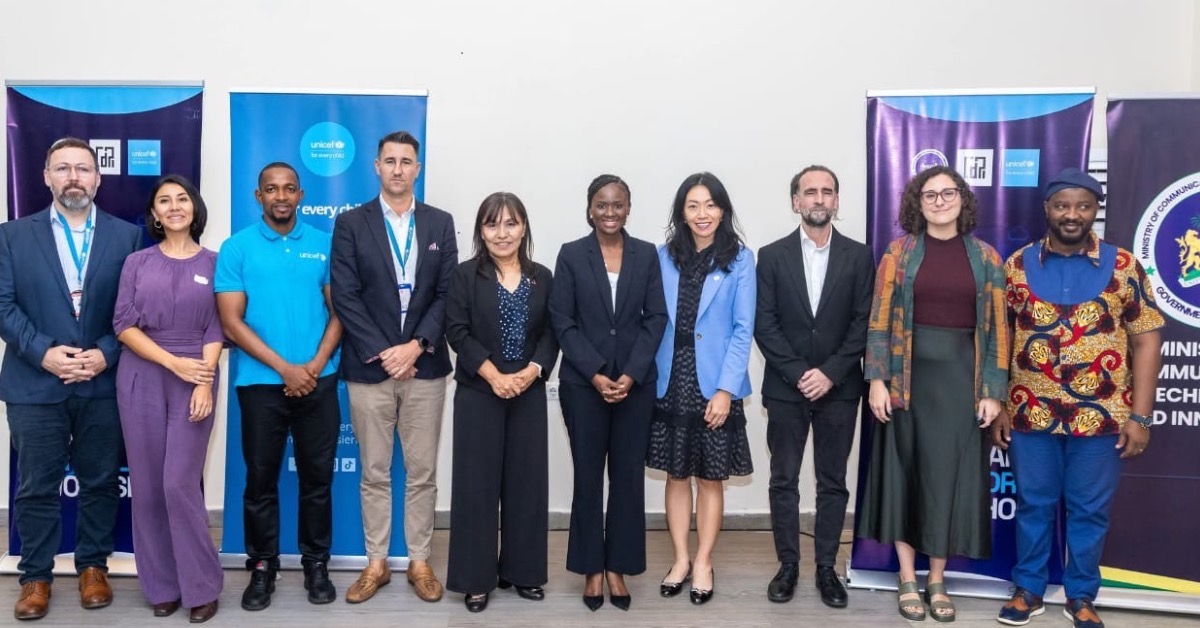
The Government of Sierra Leone and UNICEF have launched a three-day national workshop aimed at integrating child-rights safeguards into the country’s digital systems as Sierra Leone accelerates its digital transformation.
The workshop, organised by the Ministry of Communication, Technology and Innovation in partnership with UNICEF, brings together government institutions, development partners, technical experts and digital innovation specialists from both organisations. The Centre for Digital Public Infrastructure is also participating in the sessions.
Participants are examining how key principles, including child rights, inclusion, privacy, cybersecurity, responsible data use, transparency and accountability, can be incorporated into digital systems from the outset rather than being addressed after systems are already operational.

The initiative forms part of Sierra Leone’s broader drive towards digital sovereignty and the development of open-source and interoperable solutions for public service delivery. Sierra Leone co-founded the Digital Public Goods Alliance in 2019 alongside Norway, UNICEF and the Indian think tank iSPIRT. In November 2025, the Ministry validated the country’s first free-software policy for the public sector.
UNICEF has linked the workshop to its “For Every Child” mandate, stressing that digital systems supporting identity, healthcare, education, social protection and child protection must be designed to be safe, inclusive and accessible to children and families.
The workshop builds on previous collaboration between the Government and UNICEF. In April 2026, the Directorate of Science, Technology and Innovation held a strategic engagement with UNICEF on advancing Digital Public Infrastructure and Digital Public Goods, with discussions covering digital literacy, service delivery and child protection.
Digital platforms such as RapidPro and the E-Referral system are already being used to improve access to essential services, while the government continues efforts to strengthen child safety in digital spaces in partnership with institutions including the National Communications Authority (NatCA) and mobile network operators.
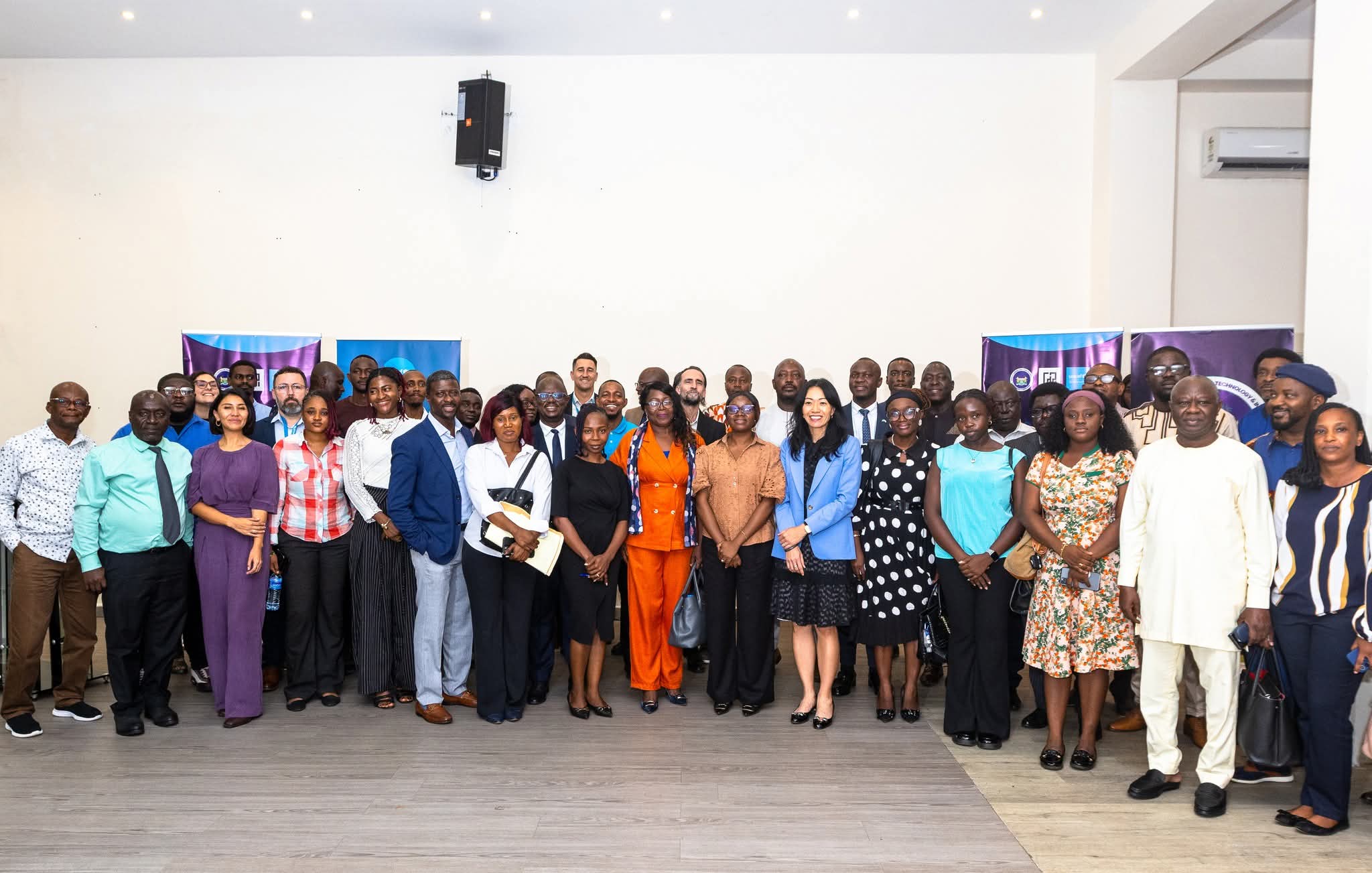
Group photo of participants at Digital Public Infrastructure Guardrails for Children Workshop at the New Brookfileds Hotel.
Sierra Leone is also working with UNICEF under Project Giga to connect all 12,000 schools in the country to the internet. In July 2026, the Ministry hosted the first academic exhibition on Digital Public Goods, where 11 student-developed solutions were assessed against global DPG standards.
More than 1,100 students are currently being trained across four universities in software development, technical documentation and interoperability. More than half of the 14 selected university champions are women.
The workshop highlights a broader shift in how Sierra Leone approaches digital infrastructure, recognising it not only as a technological issue but also as a governance and child-protection priority.
Organisers said the ultimate objective is to ensure that the country’s digital transformation improves children’s and families’ access to essential services while protecting them from potential risks associated with digital systems.


