


 Post a comment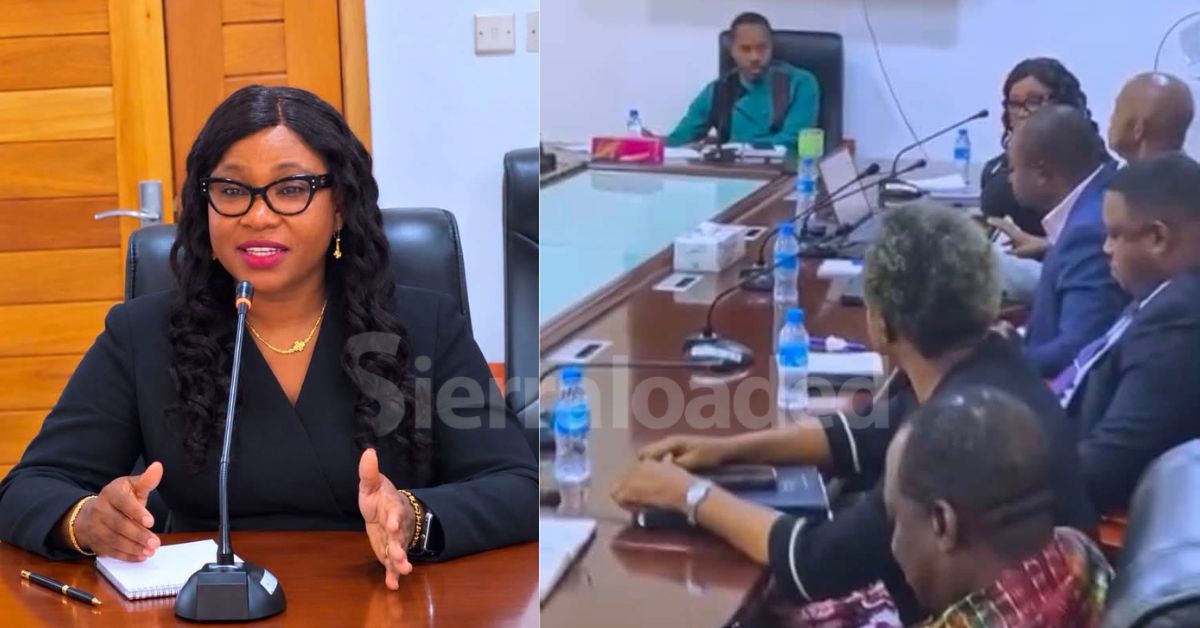
The Ministry of Social Welfare is advancing a series of programmes, policies and institutional reforms aimed at strengthening social protection, improving services for vulnerable groups and promoting greater inclusion across Sierra Leone.
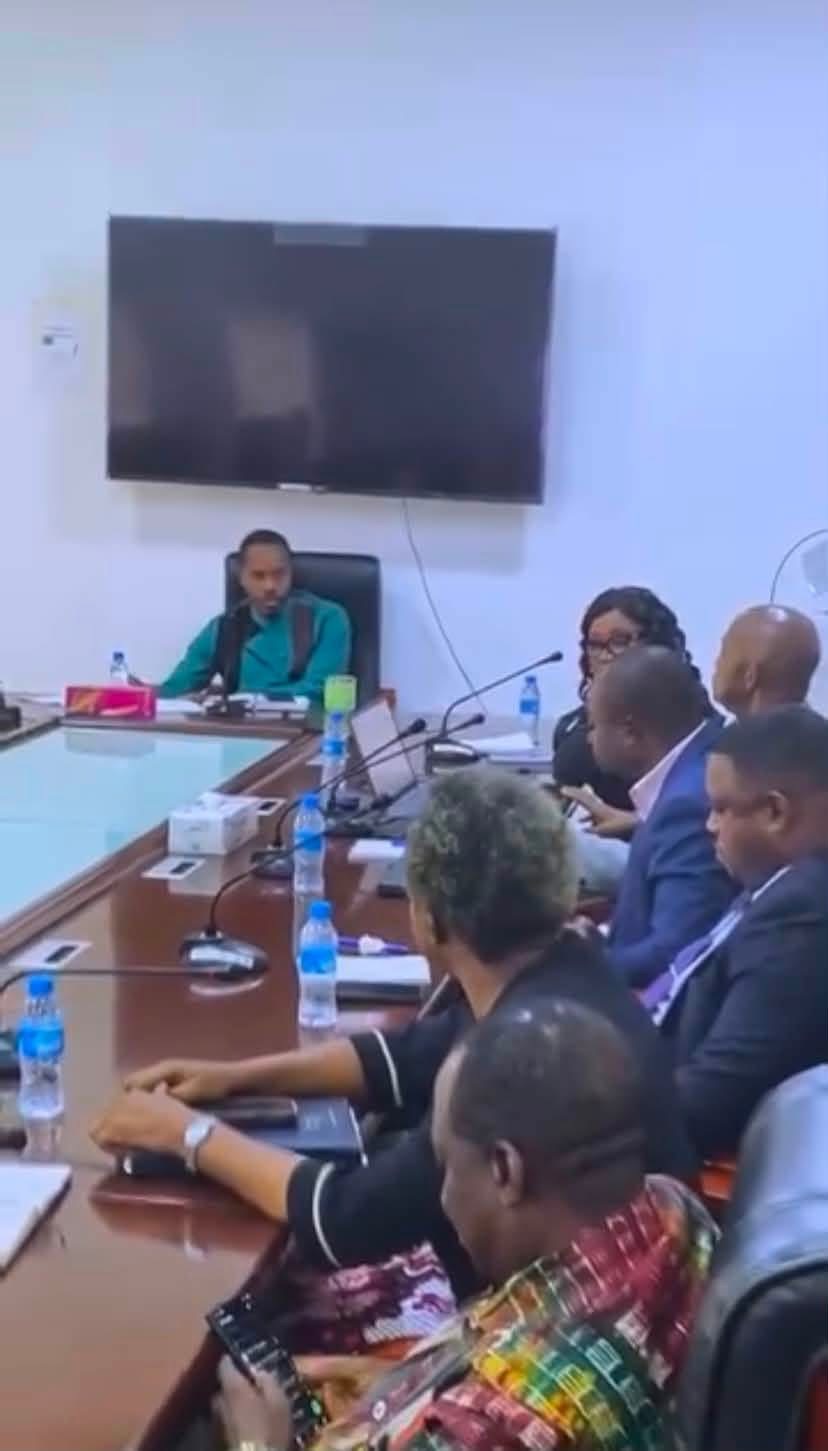
The progress was highlighted during a recent Delivery Clinic with Chief Minister Dr. Moinina David Sengeh, where Minister of Social Welfare Melrose Karminty and senior ministry officials presented updates on key interventions and policy priorities.
Minister Karminty said construction of a 56-bed facility for persons with disabilities previously accommodated at Pa Demba Road is nearing completion. She also outlined efforts to strengthen the regulation of social work through a proposed framework that would provide for the registration and licensing of social workers, social work organisations and relevant facilities.

The proposed framework is also expected to establish standards for institutions providing services to vulnerable people, including interim care and rehabilitation facilities.
On the Religious Tolerance and Practice Policy, Karminty said the ministry is currently at the validation stage and is drawing lessons from other countries. She stressed that the policy is intended to regulate conduct rather than religious faith.
The minister further highlighted the ministry’s responsibility for children in conflict with the law. She explained that Remand Homes accommodate juvenile offenders while their cases are before the courts, while those convicted and below 18 years may be transferred to Approved Schools for rehabilitation and education.
Chairman and Chief Commissioner of the National Commission for Persons with Disabilities, Brima Abdulai Sheriff, highlighted the Community-Based Rehabilitation Model, which seeks to bring disability support closer to communities.
He also pointed to efforts to increase the participation of persons with disabilities in elections and Sierra Leone’s ratification of the Marrakech Treaty, which promotes access to published works in accessible formats for people who are blind, visually impaired or otherwise print-disabled.
Meanwhile, Director of the Mental Health and Psychosocial Support Directorate, Ansu Konneh, reported that 1,071 young people have undergone rehabilitation since 2024. He said services are currently being provided through five rehabilitation centres in Hastings, Bo, Daru, Kono and Makeni, while more than 3,000 people are registered as seeking rehabilitation.
Acting Director of Policy, Planning and Research, Edson Alie Kamara, said the ministry is reviewing and developing several policies, including the Religious Tolerance and Practice Policy, the disability appeal process and the Social and Family Welfare Policy.
Responding to the presentations, Chief Minister Dr. Sengeh called for social welfare interventions to be centred on inclusion, accessibility and measurable results.
He stressed that disability inclusion should be treated as a national concern rather than an issue affecting only persons currently living with disabilities. He also called for government information and essential documents to be made accessible through formats including Braille, audio and sign language.
On rehabilitation, Dr. Sengeh urged the ministry to look beyond the number of young people entering treatment and establish systems for tracking their long-term outcomes, including their return to school, graduation, employment and successful reintegration into society.
He also welcomed efforts to establish a regulatory framework for social workers, noting that qualified Sierra Leonean social workers in the diaspora could potentially contribute their expertise to national development through a recognised registration system.
The Chief Minister further called for a structured national approach to the welfare and social protection needs of older persons, with the ministry expected to develop a dedicated policy for the sector.
The Delivery Clinic provided an opportunity for the Welfare Ministry to review progress, identify institutional gaps and strengthen systems aimed at delivering more inclusive, accessible and measurable social welfare services across Sierra Leone.


