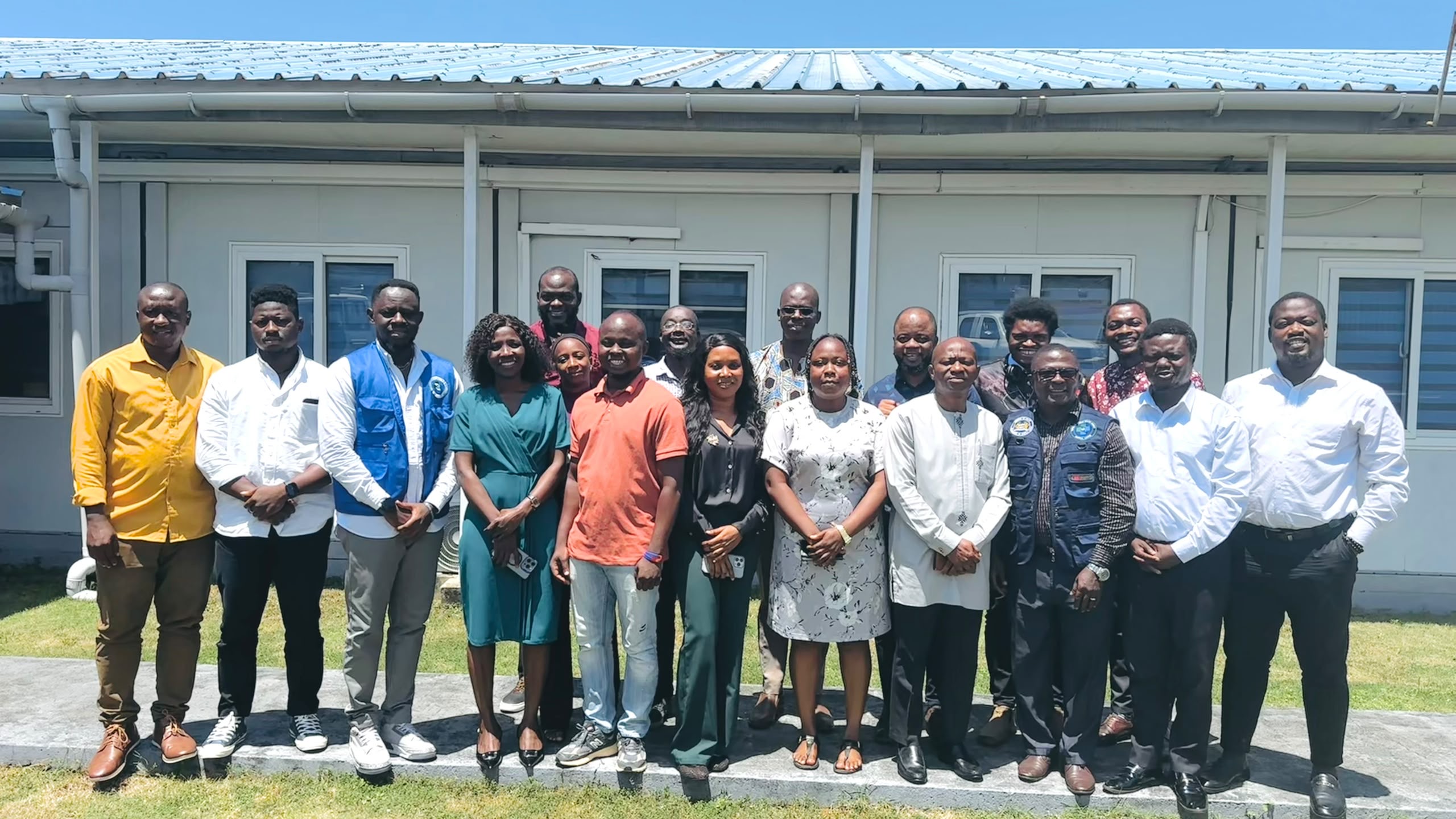
NPHA, Partners Mobilise Journalists and Bloggers to Strengthen Meningitis Awareness Across Sierra Leone
 Aaron Parker
 The National Public Health Agency (NPHA), in collaboration with health partners, has engaged journalists and bloggers in an orientation session ahead of the 2026 World Meningitis Day, aimed at strengthening public awareness and promoting accurate information about the disease.
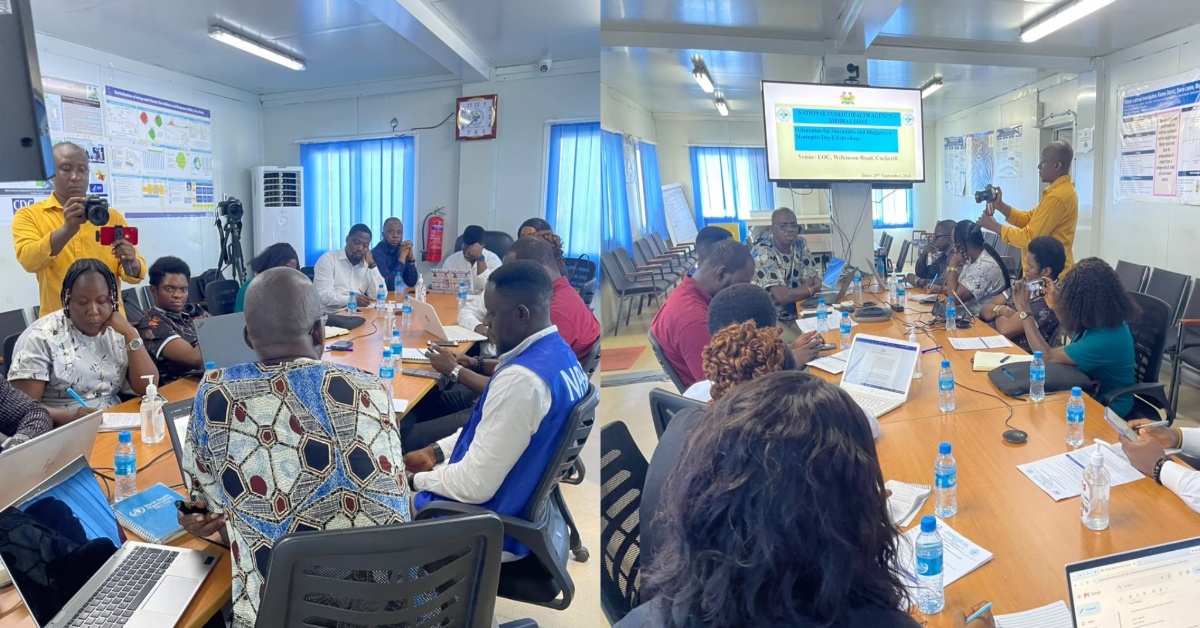
The orientation was held on Tuesday, September 29, 2026, at the Emergency Operations Centre (EOC) in Freetown, bringing together media practitioners and public health stakeholders to discuss meningitis, its symptoms, causes, prevention, treatment and the role of the media in public health communication.
The session sought to provide participants with a clear understanding of meningitis, equip them with approved key messages and talking points, and strengthen their capacity to disseminate accurate, timely and responsible information. It also sought to secure the commitment of journalists and bloggers to sustained collaboration on meningitis awareness.

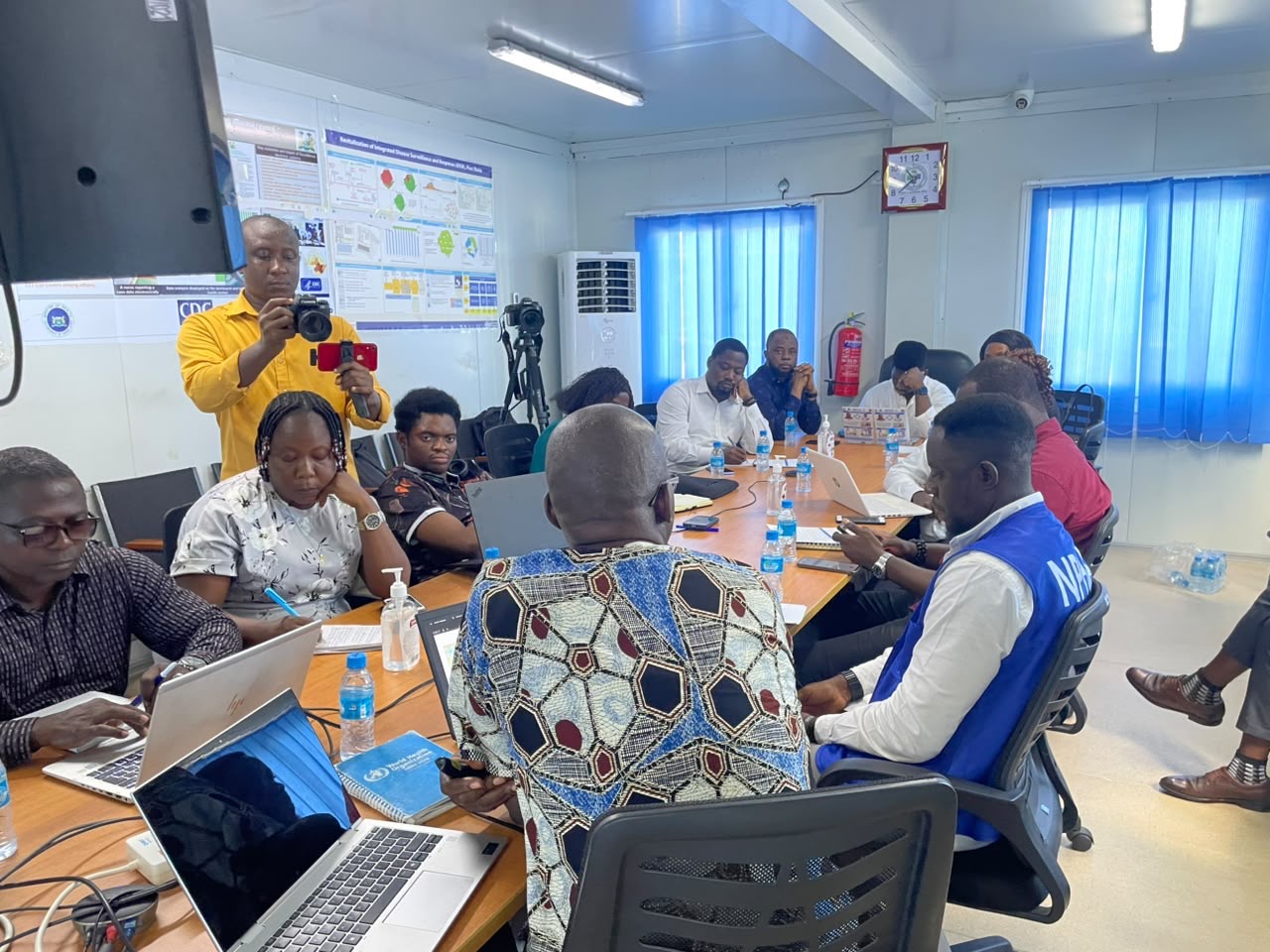


Speaking during the session, Dr Kanu of the NPHA described journalists and bloggers as critical partners in public health communication, noting their ability to influence public understanding and shape responses to important national issues.
He said the engagement was particularly timely as Sierra Leone continues to record suspected cases of meningitis and faces challenges relating to diagnosis, sample collection and case management.
Dr Kanu explained that meningitis is not a disease limited to other countries, stressing that Sierra Leone has recorded cases and must strengthen systems to prevent deaths and complications associated with the disease.
He encouraged journalists and bloggers to use their platforms to communicate clear and accurate messages to the public, noting that their influence makes them important partners in creating awareness and mobilising communities.
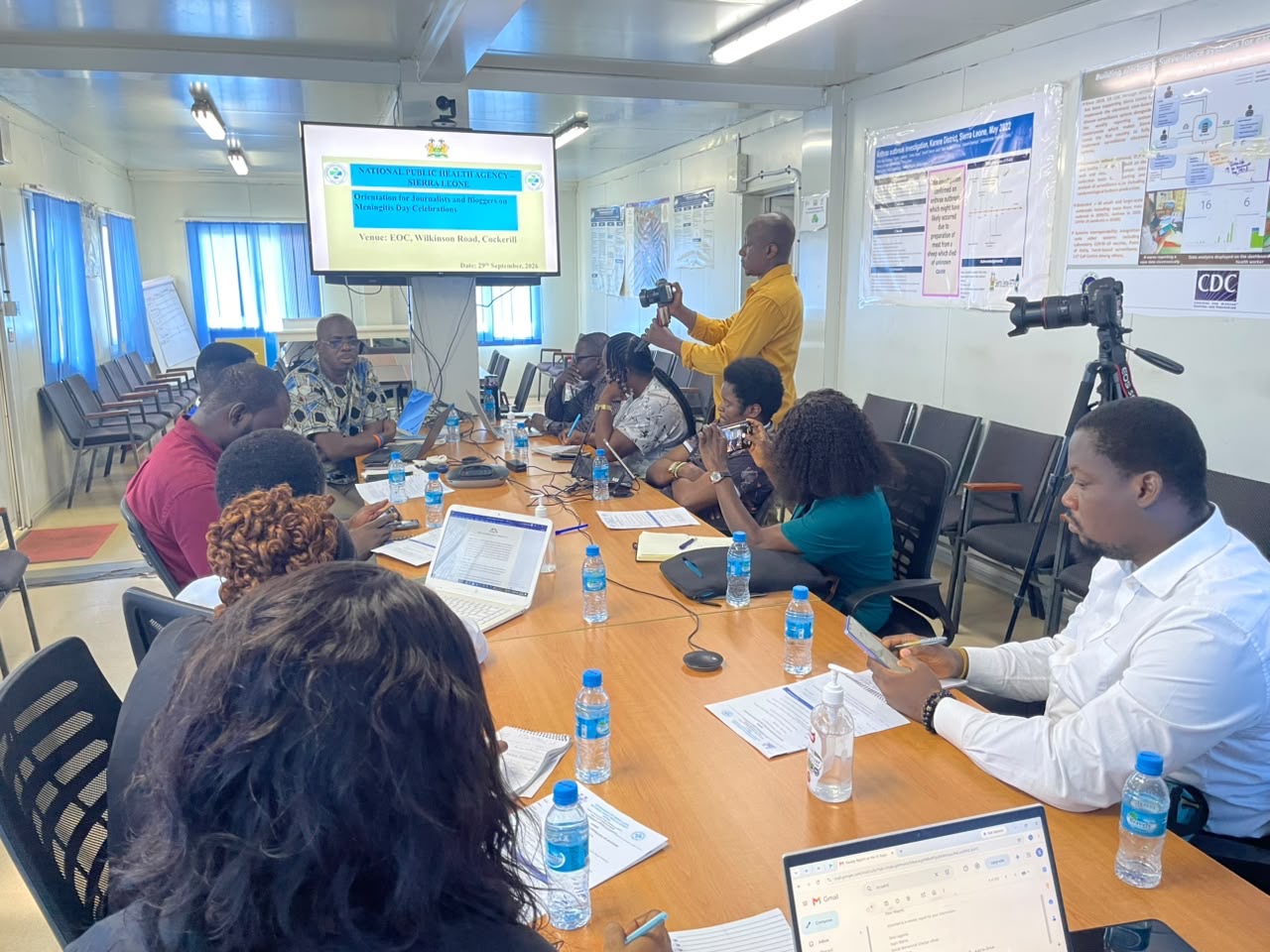
According to a presentation Meningitis is the swelling of the protective layers surrounding the brain and spinal cord. It can be caused by bacteria, viruses, fungi and parasites, with bacterial meningitis identified as the most severe form and requiring urgent medical treatment.
Participants were informed that viral meningitis is more common and is generally milder, while fungal, parasitic and other forms are rarer and can particularly affect people with weakened immune systems.
The session highlighted the global burden of meningitis, with an estimated 2.5 million cases occurring annually worldwide. Up to one in 10 patients can die from the disease, while one in five survivors may experience long-term complications, including hearing loss, seizures and cognitive impairment.
The World Health Organization’s Global Roadmap to Defeat Meningitis by 2030 seeks to eliminate meningitis epidemics, reduce cases and deaths, and improve care and rehabilitation for survivors.
In Sierra Leone, meningitis remains a public health concern, with the country frequently reporting cases and experiencing recurrent outbreaks, particularly during the dry season. Limited diagnostic capacity and delays in treatment were identified as factors that can contribute to increased mortality.
The orientation also identified crowded environments such as schools, refugee camps, military barracks, mining areas and religious gatherings as settings where the risk of transmission can increase. Close household contact with an infected person and infection among infants at birth were also highlighted as risk factors.
Health authorities urged the public to be alert to symptoms including sudden fever, severe headache, neck stiffness, sensitivity to light, nausea or vomiting, confusion or altered consciousness, and rash in cases of meningococcal meningitis.
The presentation emphasised the importance of early recognition, noting that patients suspected of having bacterial meningitis require immediate hospital care and may need intravenous antibiotics, fluids, oxygen and seizure management. Survivors may also require rehabilitation, including hearing aids, physiotherapy and psychosocial support.
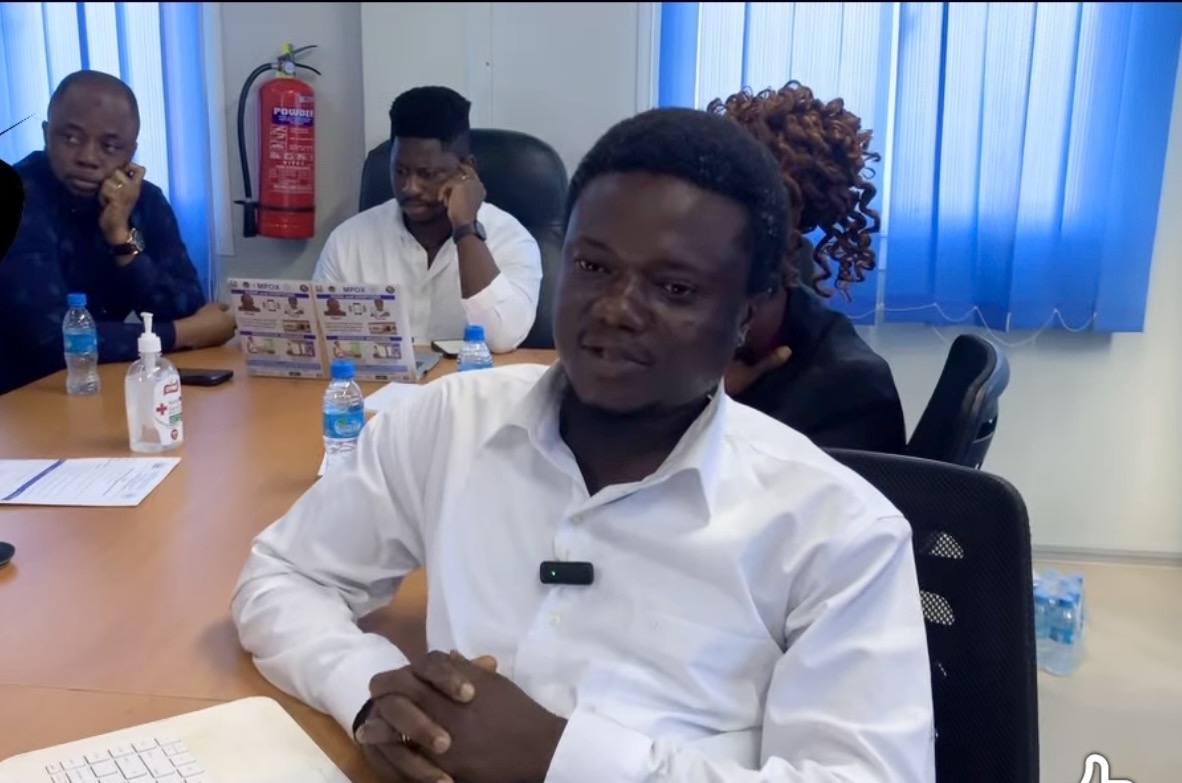
The Director Children’s Advocacy Forum, Abdul K. D Swaray stressed the importance of ensuring that information shared through traditional and social media is accurate, timely and responsible.
He noted that social media can rapidly amplify information, making it important for journalists and bloggers to verify health-related information before publishing it.
Swaray said the organisation’s broader mission includes promoting the rights and well-being of children, women and young people through education, healthcare, advocacy, capacity building and community engagement.
He said the media has a key role to play in helping communities understand meningitis and ensuring that people know the signs and symptoms, prevention measures and appropriate steps to take when someone becomes ill.
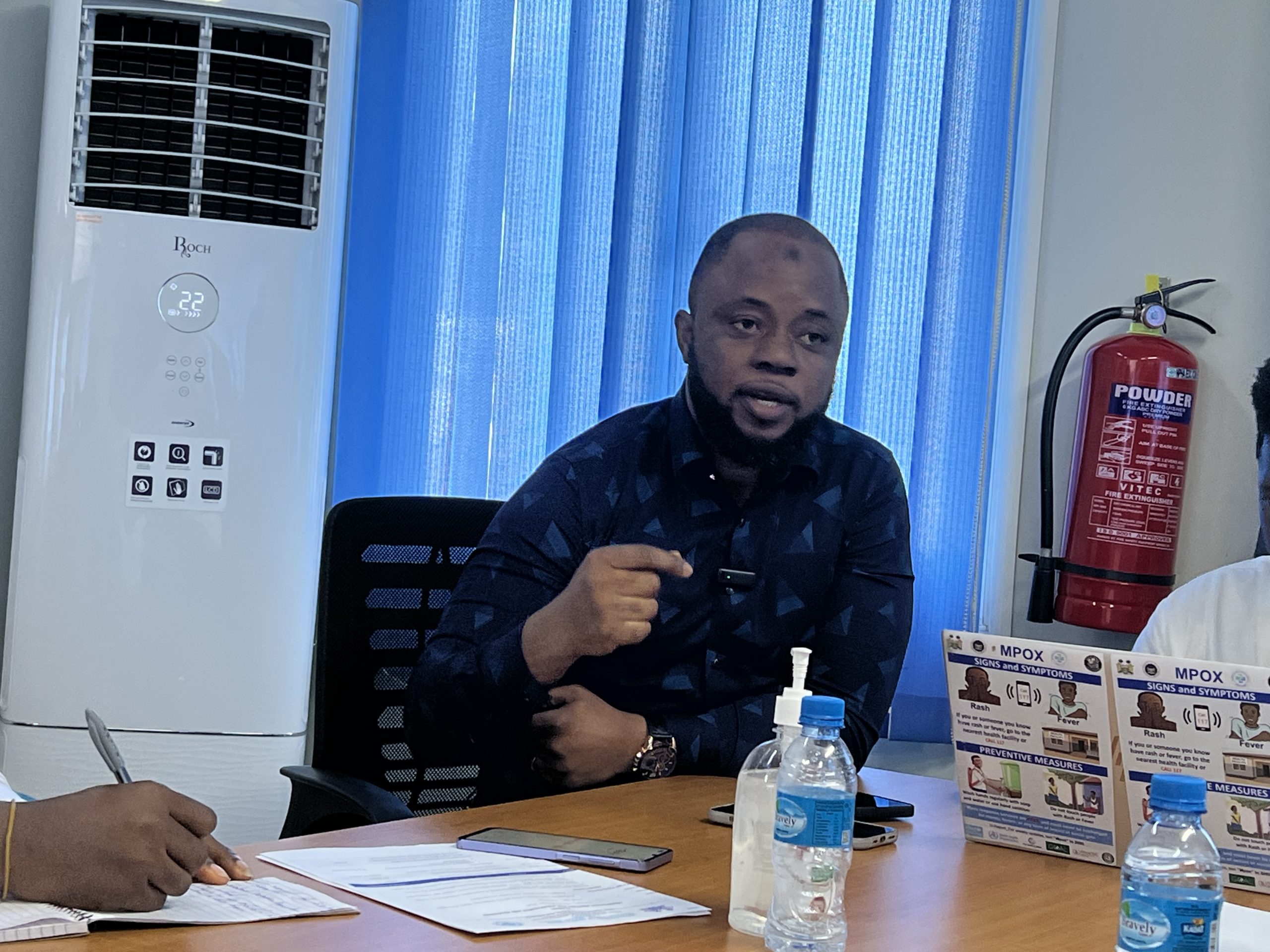
Mohamed Samura program manager children Advocacy Forum an associate member of the Confederation of Meningitis Organizations (COMO), disclosed that Sierra Leone had recently been elected to represent the African region on the organisation’s advisory council.
He described the development as an opportunity for Sierra Leone to contribute to global efforts to defeat meningitis and strengthen advocacy for resources and interventions.
Samura said Sierra Leone had participated actively in the development of the global meningitis roadmap, adding that the country’s national strategic plan on meningitis had also been used as a case study in an international technical working group meeting.
He, however, raised concerns about limited resources and diagnostic capacity, particularly the challenges involved in investigating suspected bacterial meningitis cases.
According to Samura, suspected cases require laboratory confirmation, but some samples have to be sent outside the country for investigation because of limitations in local diagnostic infrastructure.
He called for meningitis to receive stronger practical attention within national health programming, while urging more partners to support the implementation of Sierra Leone’s national strategic plan.
Samura also encouraged journalists to report on meningitis responsibly, particularly because health information can be sensitive and easily misunderstood.
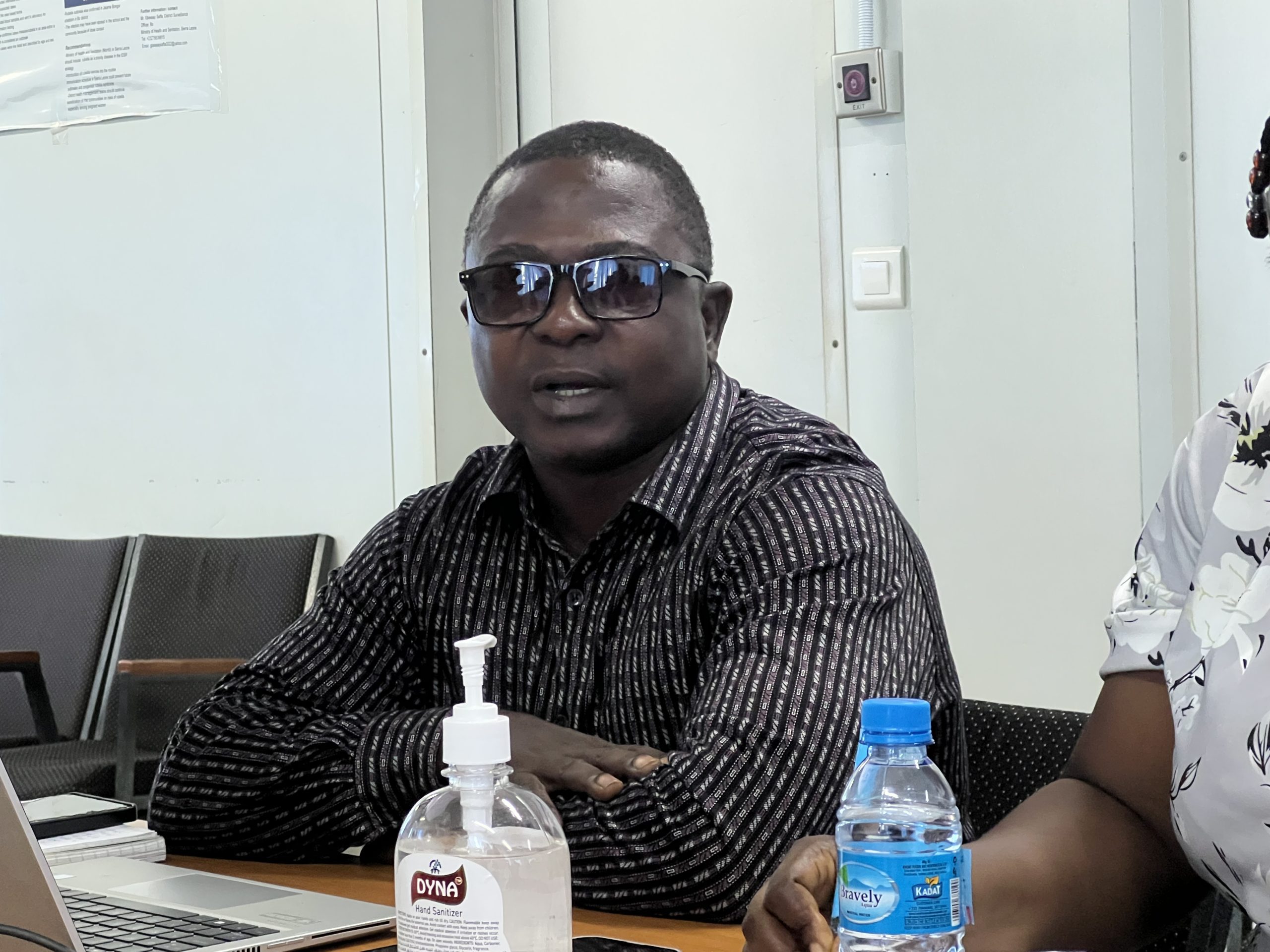
Meanwhile, Sama Turay of the NPHA explained that bacterial meningitis is among the diseases under national surveillance.
He said health authorities identify suspected cases across health facilities but face limitations in confirming cases because of inadequate laboratory capacity.
Turay explained that cerebrospinal fluid is collected for laboratory analysis to confirm bacterial meningitis, but the process can be challenging, particularly when patients arrive at health facilities in critical condition.
He said the NPHA intends to strengthen testing capacity and expand diagnostic facilities as part of efforts to improve meningitis surveillance and response.
Turay also addressed traditional beliefs surrounding meningitis, particularly among children, noting that some communities associate symptoms with supernatural causes. He urged journalists to help correct such misconceptions and encourage families to seek medical attention as early as possible.
He stressed that meningitis is a medical condition that can be treated and that early diagnosis and appropriate treatment can significantly improve outcomes.
The NPHA further called on communities to ensure that children receive recommended vaccinations, seek immediate medical attention when symptoms appear, call the 117 emergency health line when necessary, support awareness campaigns and share survivor experiences to help reduce stigma.
As part of the 2026 World Meningitis Day activities, a health walk is expected to take place on Saturday, October 3, from the Cotton Tree in central Freetown to the planned destination, while World Meningitis Day will be observed on October 5.
The engagement concluded with journalists and bloggers making commitments to support and promote public awareness of meningitis through their respective platforms, with organisers emphasising the need for sustained media collaboration in reaching communities across Sierra Leone.