

Pademba Road Prison Set for Relocation to Masanki
 Aminata Koroma
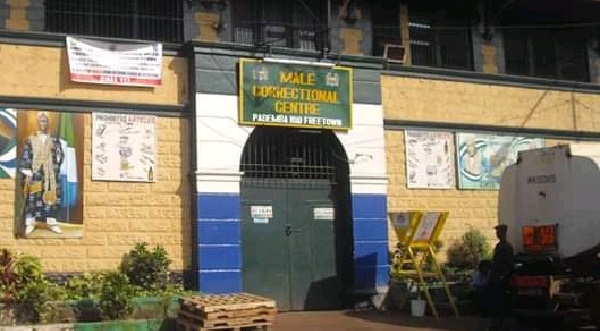
 Efforts to relocate the Pademba Road Male Correctional Centre in Freetown to Masanki in Moyamba District are gathering pace, with the Sierra Leone Correctional Service (SLCS) confirming that the process has been activated in collaboration with the Ministry of Works.
Director-General of the SLCS, Joseph John Senesie, disclosed this during the Budget Hearing for Ministries, Departments and Agencies for Fiscal Year 2027, held at the Miatta Civic Centre in Freetown.
Senesie said that following official engagements with community stakeholders, a vast area of land had been acquired for the construction of the new correctional facility. He added that the SLCS was already engaging the Ministry of Works, which is currently preparing the architectural drawings for the proposed Masanki complex.

He told journalists, civil society activists and Finance Ministry officials that Pademba Road Correctional Centre was severely overcrowded, housing more than 2,000 inmates despite having been built during the colonial administration to accommodate only 300.


The SLCS presentation document also outlined plans to relocate the Makeni and Bo correctional centres in 2027, alongside the construction of additional facilities in Lungi, Karene and Falaba.
To meet the staffing needs of the expanding correctional system, the institution intends to recruit 1,500 correctional officers nationwide.
Meanwhile, the SLCS identified several challenges confronting its operations during the current year, including overcrowding across correctional centres, particularly the male facilities in Freetown, Bo, Makeni and Kenema.
The institution also highlighted the accumulation of substantial payment arrears owed to suppliers and service providers, as well as delays in the disbursement of funds required to implement its activities.
Other challenges include inadequate accommodation for officers, poor conditions of service and a low staff-to-inmate ratio. The absence of a hospital for both officers and inmates was also cited, alongside the use of old and faulty vehicles that impede the movement of staff and inmates and affect operational efficiency.
The SLCS further identified inadequate industrial infrastructure and equipment for inmate rehabilitation, as well as insufficient machinery and resources for large-scale mechanised farming. The absence of a digitised database system for inmates and officers was also highlighted as a major institutional challenge.
The term Correctional Service replaced Prison Service following the passage of the Correctional Service Act of 2014. The change was intended to reflect government reforms within the sector and promote a more humane approach to corrections, focusing on equipping and rehabilitating inmates for a more responsible and productive return to society.