

MoPED Steps Up Pressure for Timely Delivery of District Projects
 Alusine Ahmed Kargbo
The Ministry of Planning and Economic Development (MoPED) has called for stronger accountability, improved inter-ministerial coordination and timely action on district development priorities to enhance project implementation and service delivery across Sierra Leone.
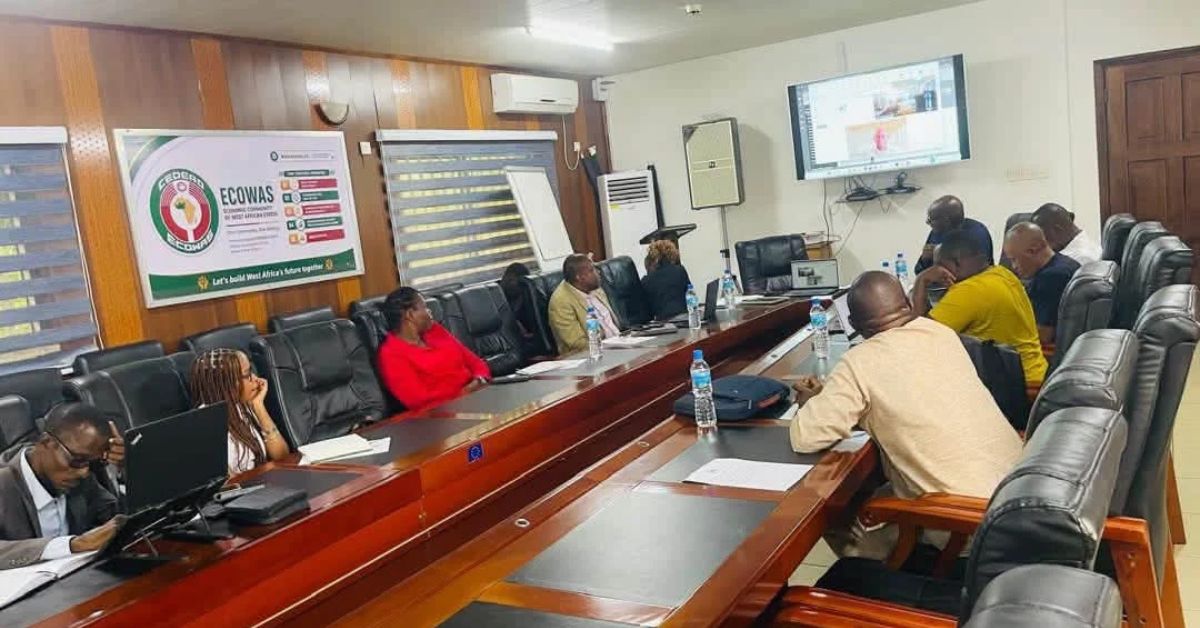
The call was made on Tuesday, 27 October 2026, during a meeting of the National Steering Committee on District Development Coordination held at the Ministry’s conference room in Freetown. The meeting reviewed progress on district-level coordination, assessed outstanding action points and examined challenges affecting local governance and development projects.
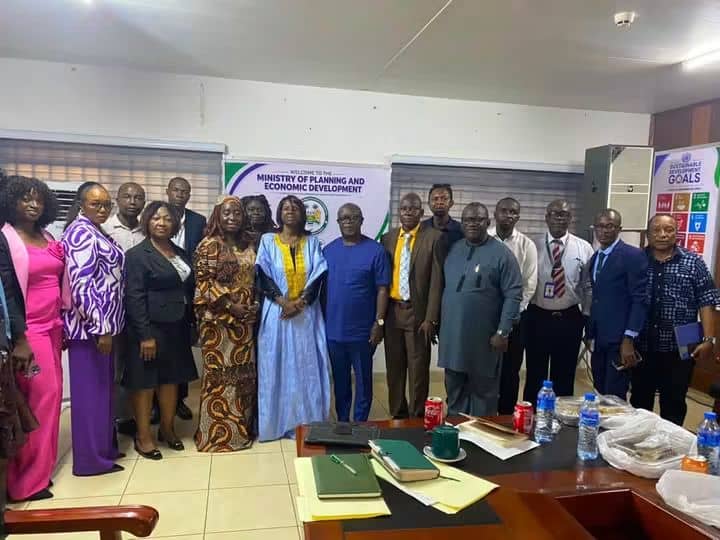
The meeting was chaired by the Minister of Planning and Economic Development, Kenyeh Barlay, with the Minister of Local Government and Community Affairs, Tamba John Lamina, serving as co-chair. It brought together senior government officials and representatives of relevant ministries, departments and agencies.



In her remarks, Minister Barlay underscored the importance of District Development Coordination Committees (DDCCs) in linking national development priorities with the needs of local communities. She called for improved communication between ministries and local councils, stronger monitoring of agreed actions and timely responses to concerns raised at district level.
She also emphasised the need for sustainable financing, effective monitoring of memoranda of understanding (MoUs) and increased public awareness of development activities through documentaries, vox pops and interviews.
Minister Barlay noted that NGO coordination platforms were operational in 15 districts, while challenges persisted in the Western Area Urban. She stressed that stronger collaboration between government institutions, local councils and development partners was necessary to reduce duplication and improve accountability in development interventions.
Co-chair Minister Lamina highlighted the importance of decentralisation and effective local governance, particularly the role of ward committees in identifying and addressing community needs. He called for the restoration of funding for ward committees to enable them to perform their responsibilities effectively.
Providing an update on rural development coordination, the Director of Rural Development, M’balu Adjaratu Kamara, outlined progress on MoUs signed with ministries and the need for stronger monitoring and follow-up. She also raised concerns about securing sustainable financing beyond the anticipated closure of the current project in 2027.
Kamara further updated the committee on chiefdom development plans for Mafoki and Marampa, efforts to establish Chiefdom Development Coordination Committees, and consultations on the Community-Based Organisation (CBO) Policy. The policy is expected to be completed in December following consultations scheduled for November.
The committee examined a range of unresolved district-level concerns requiring attention from relevant institutions. These included support for vulnerable people and drug-peddling concerns in Kambia, a boundary dispute between Koinadugu and Tonkolili, incomplete school projects, wetland encroachment in Bo, unfinished water, sanitation and hygiene projects in Moyamba, delays affecting Maboka Boys School, and challenges with meetings and reporting at the Freetown City Council.
Deputy Minister of Finance I, Kadiatu Allie, stressed the importance of timely responses from ministries and national institutions to issues referred from districts. She said actions taken should be properly documented and communicated to the relevant local councils to enable effective follow-up and identify outstanding concerns.
The committee also reviewed findings from the September 2026 evaluation of the Youth Farm Project, covering its implementation from 2019 to 2025. The Director of the National Monitoring and Evaluation Agency (NaMEA), Sheku Mambu, highlighted weak coordination, unclear responsibilities, funding gaps, delayed inputs, inadequate monitoring and evaluation, and limited youth participation. While some project sites remained active, others had been abandoned.
Minister Lamina called for greater involvement of local councils in project implementation, while Minister Barlay emphasised the need to strengthen monitoring and evaluation and ensure that lessons from project assessments inform future development interventions.
Further concerns were raised about inadequate monitoring and limited local council awareness in Tonkolili and Pujehun. Alpha Kapri Bangura of the Public Investment Management team also highlighted delayed transfers to local councils and slow implementation of public investment projects, noting that projects initially planned for six to eight months could take three to four years to complete because of funding constraints.
The meeting also addressed water safety, sachet-water quality and the need for water-quality testing. Minister Lamina called for these concerns to be escalated to the relevant authorities and included in follow-up actions.
Eric Massally of NGO Affairs stressed the need for ministries to track MoUs with non-governmental organisations and coordinate their activities with local councils to prevent duplication and strengthen accountability at district level.
Discussions also covered proposed changes to local government boundaries involving Panguima and Pandajuma, as well as chiefdoms across Kailahun, Kenema, Bo and Pujehun. The Permanent Secretary of the Ministry of Local Government and Community Affairs, Prince Alex Sorieba, emphasised equitable development and representation, noting that any boundary changes would require stakeholder consultations and compliance with the relevant legal procedures.
To strengthen follow-up, the committee agreed to circulate the meeting minutes and consolidated action points to members and relevant ministers, follow up on delayed transfers to local councils and funding for ward committees, recirculate the MoU tracker, and resend the relevant MoU to the Ministry of Social Welfare.
Ministries were also expected to respond to issues referred from districts, document actions taken and communicate feedback to the affected local councils. Members emphasised that outstanding concerns should be monitored and addressed promptly.
In closing, Minister Barlay described the meeting as productive and urged members to implement agreed actions without waiting for the next annual meeting. She proposed holding committee meetings twice a year, with an additional meeting before the end of the year if necessary, to assess progress and address unresolved issues.
The meeting reaffirmed MoPED’s commitment to strengthening district development coordination, improving institutional accountability and ensuring that concerns raised by local communities receive timely attention from the relevant national institutions.