
West African Experts Convene in Freetown to Tackle Youth Unemployment
 Sahid Bangura
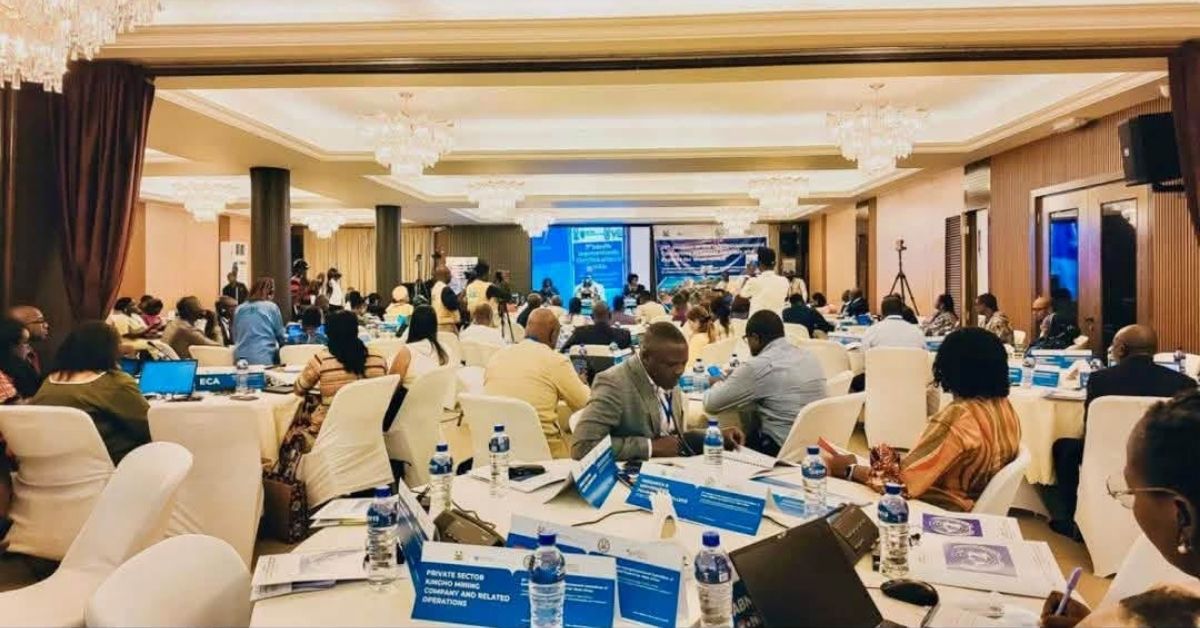
West African experts, government officials and development partners have convened in Freetown to discuss practical strategies for addressing youth unemployment, expanding economic opportunities and strengthening resilience across the region, with Sierra Leone highlighting its target of creating at least 500,000 jobs for young people by 2030.
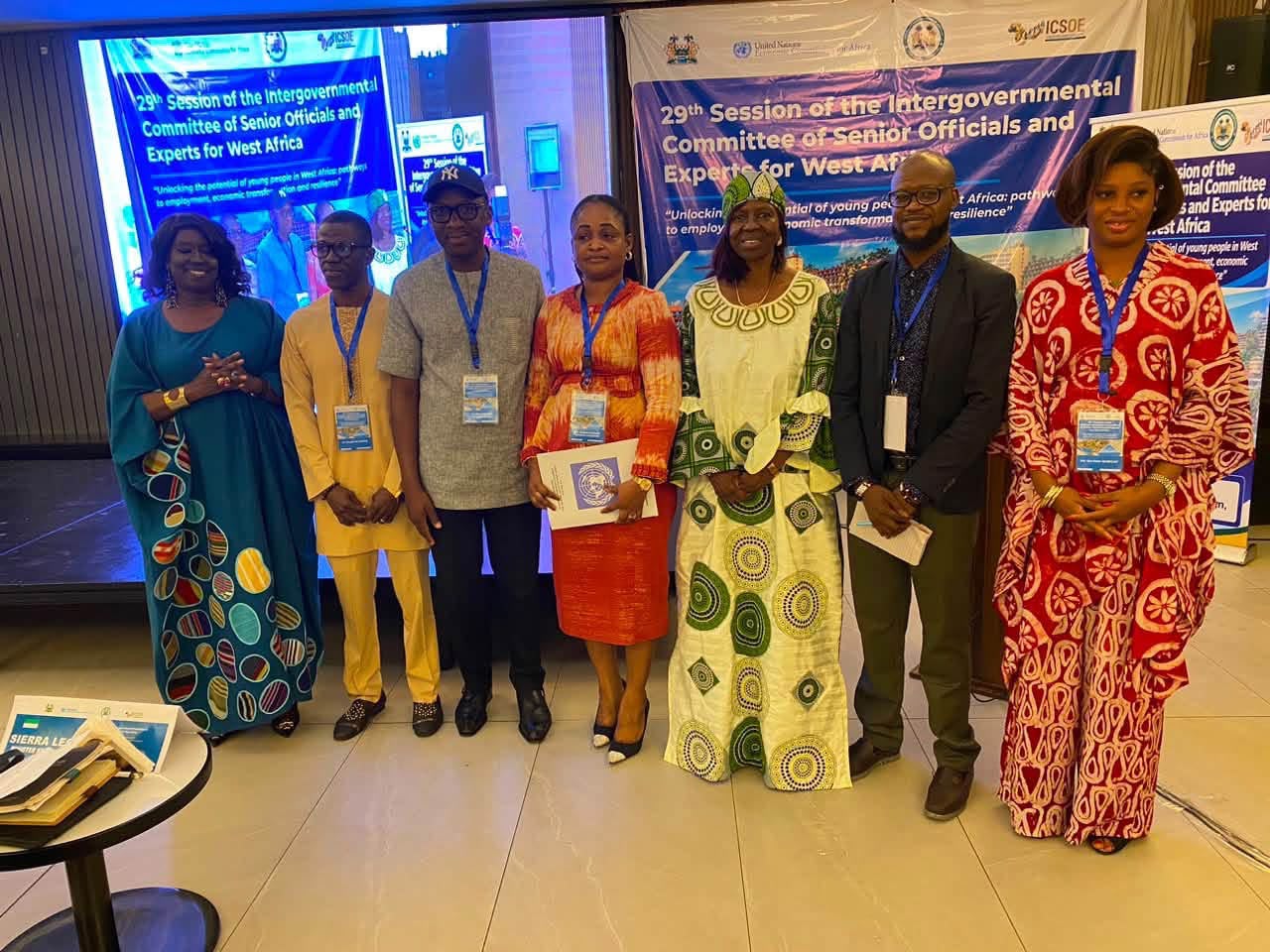
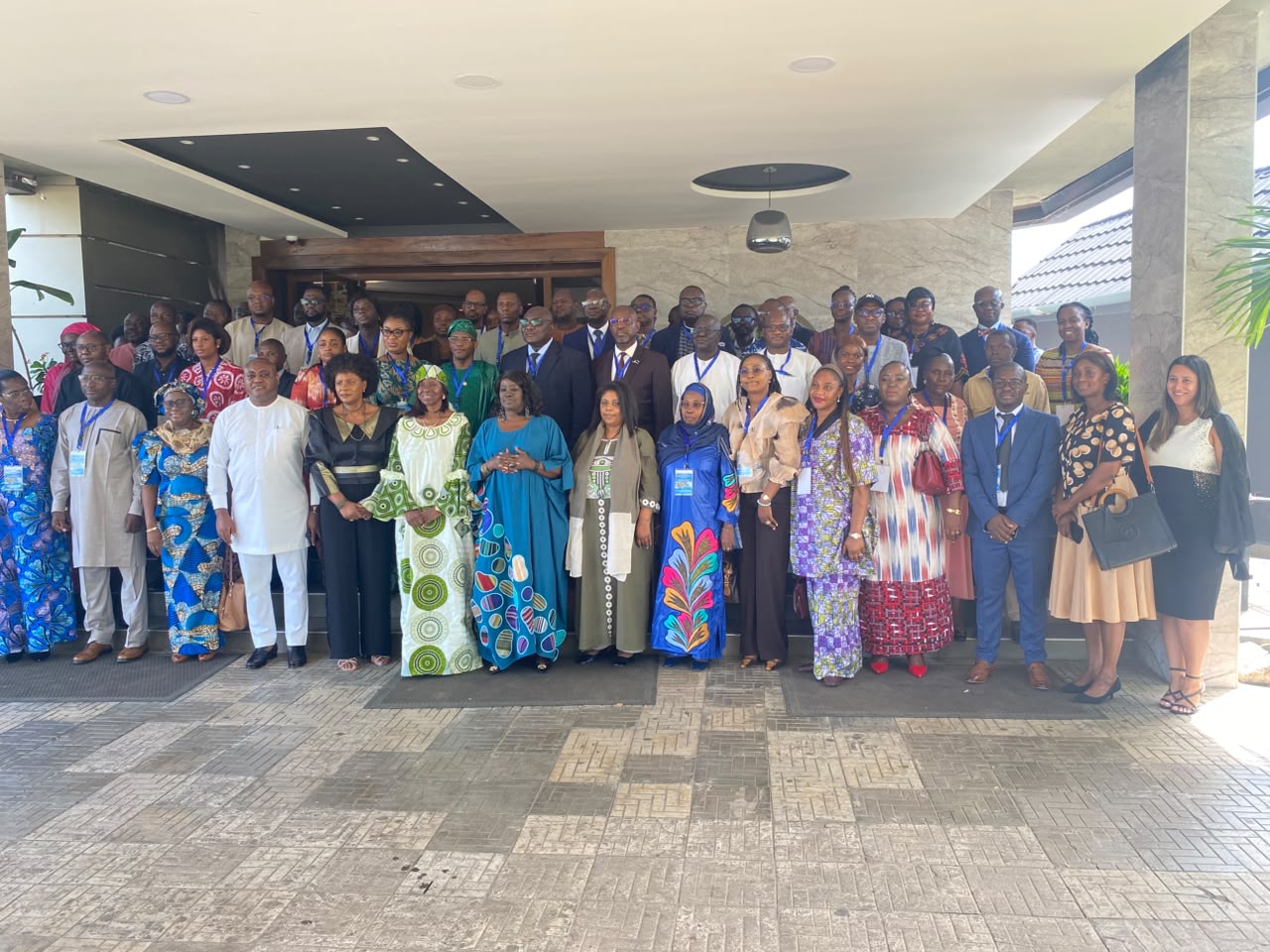
The discussions took place during the 29th Session of the Intergovernmental Committee of Senior Officials and Experts for West Africa, held on Wednesday, October 28, 2026, under the theme, “Unlocking the Potential of Young People in West Africa: Pathways to Employment, Economic Transformation and Resilience.”
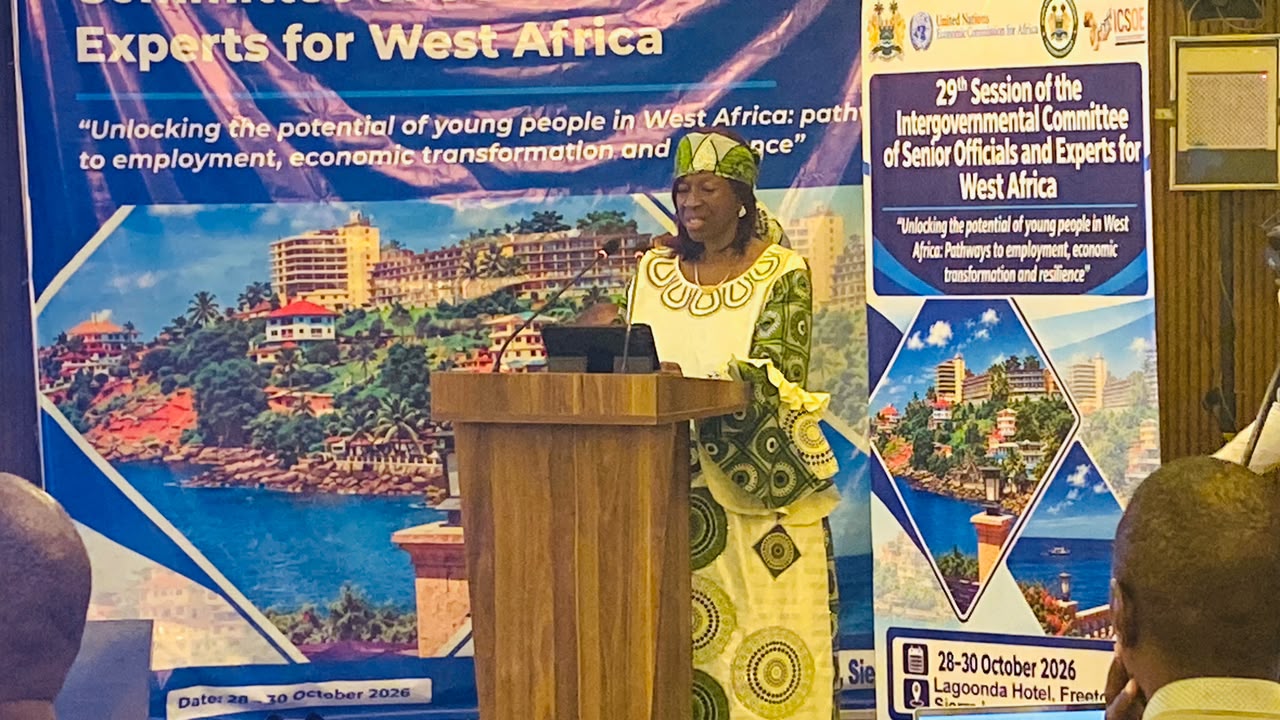
Delivering the keynote address on behalf of Vice President Dr. Mohamed Juldeh Jalloh, Minister of Planning and Economic Development Kenyeh Barlay called on participating countries to translate policy commitments into measurable actions that deliver tangible results for young people.




Barlay described West Africa’s youthful population as a major economic asset, stressing that governments must invest in education, skills development, healthcare and enterprise opportunities to enable young people to contribute to economic growth.
She warned that failing to provide meaningful opportunities could deepen frustration among young people, increase drug abuse and contribute to irregular migration.
Highlighting Sierra Leone’s approach, Barlay said the government’s Medium-Term National Development Plan 2024–2030 identifies youth employment as one of its Big Five Game Changers, with a target of creating at least 500,000 new jobs for young people by 2030 through skills development and expanded economic opportunities.
She cited the Free Quality School Education programme, which brought more than one million additional children into school between 2019 and 2023, as part of the government’s efforts to strengthen human capital development.
Barlay also highlighted the Feed Salone initiative, which seeks to transform agriculture and fisheries while creating employment opportunities across the production and marketing chain. She said the National Commission for Social Action provided short-term employment for 15,000 young people in 2024 through projects to rehabilitate community schools, health centres, vocational centres and grain stores.
Despite these interventions, she acknowledged that underemployment, informal work, limited access to finance, skills mismatches and climate vulnerability continue to constrain employment opportunities in Sierra Leone and other West African countries.
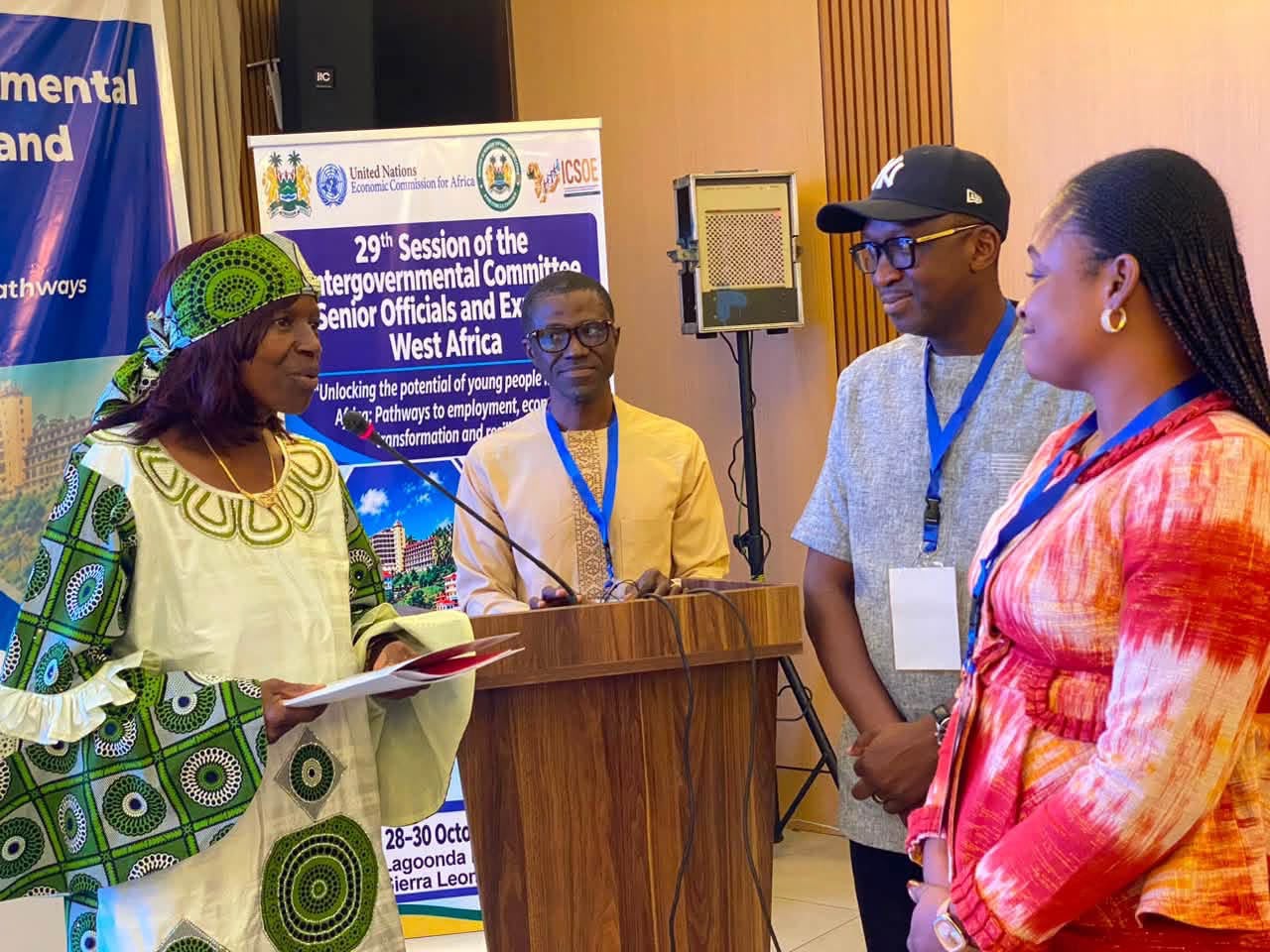
The minister urged delegates to develop an action-oriented Freetown Declaration on youth empowerment, supported by clear targets, implementation timelines and defined responsibilities. She also called on member states to ensure that young people participate meaningfully in decisions affecting their future.
Director of the United Nations Economic Commission for Africa’s Subregional Office for West Africa, Ngone Diop, said the region must place youth employment at the centre of its economic transformation strategies.
Diop noted that an estimated 60.9 per cent of West Africa’s population would be under 25 in 2026, compared with approximately 57.8 per cent in Sierra Leone. She stressed, however, that the region’s demographic potential would not automatically generate economic benefits without adequate investment in education, healthcare, skills, technology and productive employment.
She cited estimates indicating that informal employment accounted for 91.6 per cent of total employment in West Africa in 2025, highlighting the need to create more secure and productive jobs that provide better incomes and opportunities for advancement.
Diop further disclosed that the proportion of young women not in employment, education or training exceeded that of young men in 14 of the region’s 15 countries in 2026. She called for policies that address barriers to women’s economic participation and improve access to finance, productive assets and employment opportunities.
She urged governments to strengthen the link between education and labour market demands, accelerate economic diversification, support private-sector development and harness digital and green transformation to generate sustainable employment.
United Nations Resident Coordinator in Sierra Leone Seraphine Wakana highlighted the importance of economic diversification, industrialisation and regional integration in creating opportunities for young people.

Wakana also commended Sierra Leone’s growing role in regional youth engagement, citing the inaugural Mano River Union YouthConnekt Forum held in Freetown in June 2026. The forum brought together young leaders from Sierra Leone, Liberia, Guinea and Côte d’Ivoire to promote youth participation in peacebuilding and sustainable development.
She called for stronger partnerships with the private sector and increased investment in education, skills, finance and technology to ensure that young people, particularly women and rural communities, can benefit from emerging economic opportunities.
Meanwhile, outgoing committee chair Joseph M. Samah highlighted progress made by the ECA Subregional Office for West Africa in supporting regional economic development and cooperation.
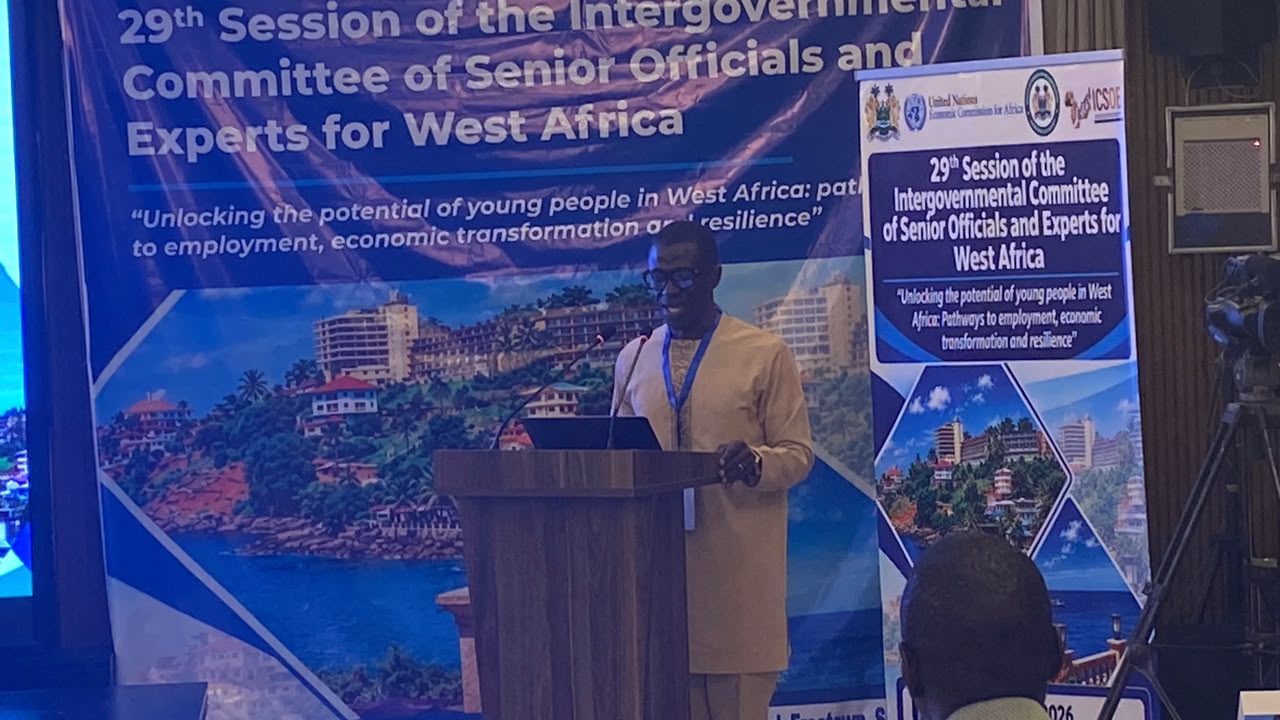
Samah said the office had produced 24 knowledge products and convened 12 high-level meetings by October 2026. He also noted that the number of member states implementing at least one priority component of their African Continental Free Trade Area action plans had risen from 10 in 2025 to 13 in 2026, exceeding the target of 12.
Citing the African Development Bank’s African Economic Outlook 2026, Samah said West Africa’s economic growth was estimated at 4.8 per cent in 2025, supported by agricultural production, agro-industrial value chains, infrastructure investment and improved macroeconomic management.
He urged countries to build on the progress by strengthening regional value chains, mobilising innovative sources of financing and improving economic governance and public financial management.
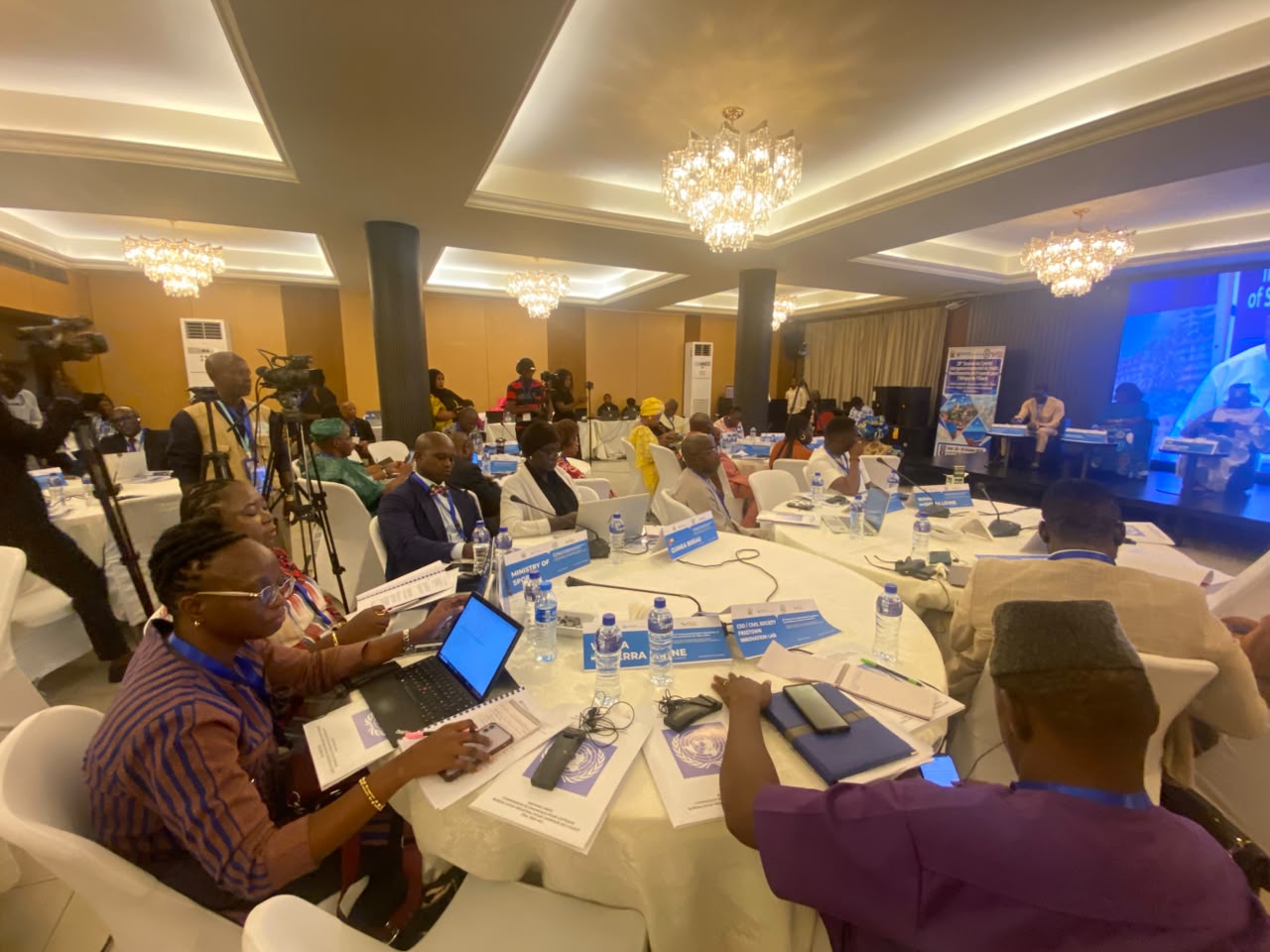
The meeting also provides an opportunity for participating countries to review the work of the ECA Subregional Office for West Africa and recommend priorities for future regional cooperation.
The deliberations are expected to inform practical policy recommendations aimed at connecting youth development with economic transformation, improving access to decent work and creating more inclusive and resilient economies across West Africa.