

Hon. Mabinty F. A. Funna Grills ProCEM II Experts in Benin
 Alusine Ahmed Kargbo
Hon. Mabinty Fatmata Angel Funna, Member of Parliament (MP) representing Constituency 054 Tonkolili District, All People’s Congress (APC) party who also doubles as a Member of the Sierra Leone Parliamentary delegation to the Economic Community of West African States Parliament (ECOWAS), and a Member of its Committee on Legal Affairs and Human Rights, was part of a seven-member (Hon. Fanta Conte –Chairperson and Head of Delegation, Hon. Orlando Pereira Diaz- Chairperson Health Committee, Hon. Cecile Ahoumenou –First Rapporteur Committee on Energy and Mines, Hon. Kwame Ayimadu-Antwi –First Rapporteur –Committee on Industry and Private Sector, Hon. Zakaria Dauda Nyampa – Member Committee of Macroeconomic Policy and Research, Hon. Boniface Yehouetome –Member Committee on Administration, Finance and Budget) ECOWAS Parliamentary Committee on Energy and Mines delegation oversight mission that rigorously grilled experts on the “Project for the Promotion of a Climate-friendly Electricity Market in ECOWAS Region (ProCEM II)” conducted from 25th – 30th October, 2026 at the headquarters of the West African Power Pool (WAPP) in Abomey-Calavi, Republic of Benin.
The Mission which derived its mandate from Article 7(c) of Supplementary Act A/SA.1/12/16 relating to the Enhancement of the Powers of the ECOWAS Parliament, aimed at assessing the project’s implementation status, results and sustainability prospects in the exercise of Parliament’s oversight mandate.
The mission specifically sought to:

“Assess the project’s relevance to the region’s energy needs and Community priorities, assess the implementation of activities, achievement of targets and effective application of results, examine the use of the financial resources and the consistency between resources mobilised, outputs delivered and outcomes achieved, assess the technical, regulatory and financial conditions for the operation of the regional electricity market, identify challenges, risks and measures needed to sustain the achievement, and formulate operational recommendations falling within the responsibilities of the States and institutions concerned.”


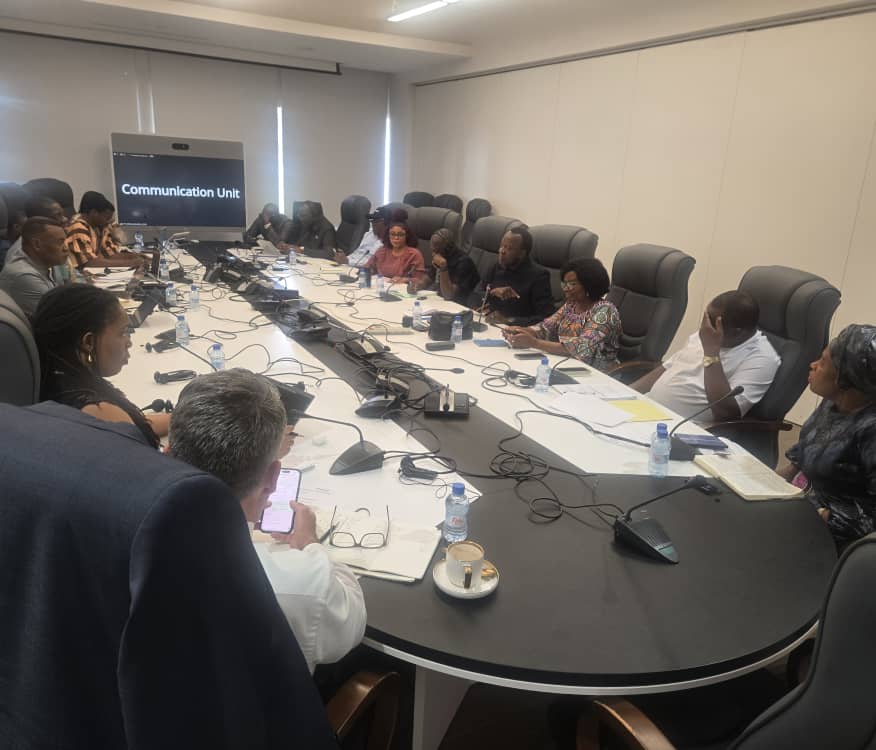
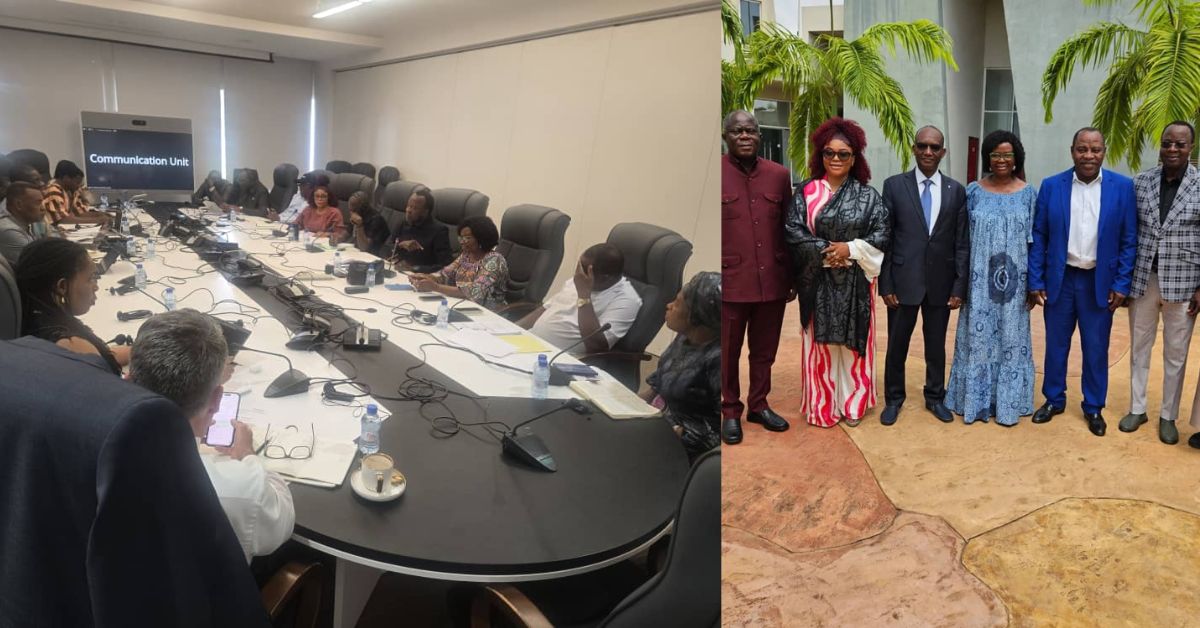
During the five-day deliberations, Hon. Funna made critical enquiries from the institutional representatives implementing the project.
She recommended that in order to strengthen parliamentary oversight of regional energy policies and regulatory instruments:
“The Parliament should regularly monitor the Member State’s compliance with regional commitments and identify obstacles hindering domestication and effective implementation, especially for countries such as Sierra Leone that are still advancing full integration into the REM.”
She noted that Sierra Leone has made progress but still faces capacity and resource constraints, underscoring that:
“Parliament should advocate for targeted support rather than just sanctions.”
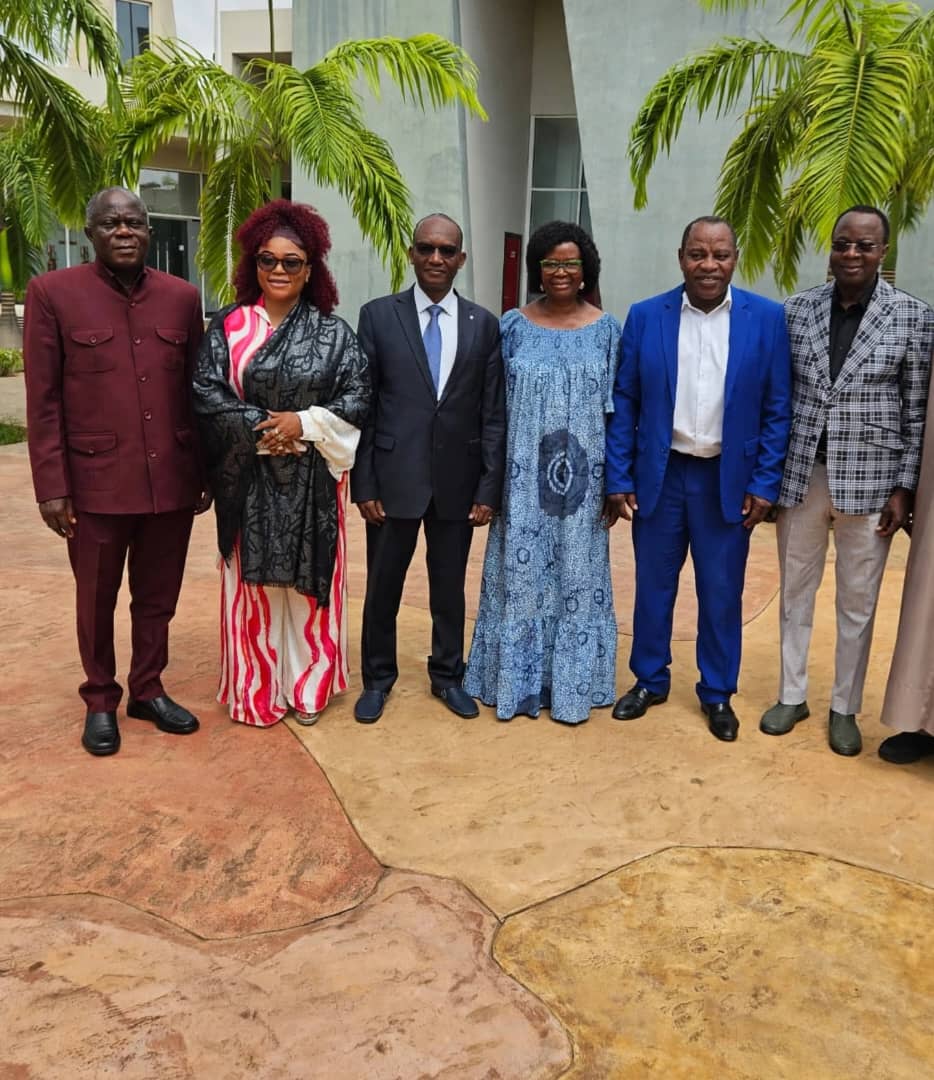
Hon. Funna also thanked her honourable colleagues, and representatives from the various agencies and observed that:
“While there has been notable progress under ProCEM II, we still require greater clarity on institutional roles, consolidated financial transparency and concrete sustainability plans. I am encouraged that our draft report calls on all partners to strengthen coordination. I therefore recommend that they submit regular consolidated updates to Parliament so that we can track progress and ensure that the intended benefits reach our people across West Africa.”
She stated that having heard from the officials of the various agencies, she appreciates the work that they are doing, but highlighted that:
“But the truth is — our people don’t care which agency does what. They just want results. And results happen when we work together smoothly.”
Hon. Funna also sought clarifications on:
“How are you all connected with one another? Where do your responsibilities meet? Where do resources flow from one to another? And where are the gaps that none of you can fix alone? These are the things that make the biggest difference to our progress.”
She further probed:
“When one agency finishes its part of a project, how is the handover work to the next partner done, and what ensures nothing gets lost or delayed in that process? Are there challenges that no single agency can solve alone? If so, how do you currently address them together? How do you make sure you’re all working from the same information, same timelines, same progress data, same targets? What is the one thing you need from each other, or from us to work better together?” and, thanked the Executive Director and the entire ECREEE team for their comprehensive briefing.
Hon. Funna in another intervention prefaced that ECREEE serves as the technical backbone for renewable energy and energy efficiency across the entire ECOWAS region and their mandate is critical, underscoring that; “reliable, affordable, and clean energy is not just a development goal — it is the very foundation of economic transformation, industrial growth, and improved livelihoods for the over 400 million people we represent.”
“This oversight mission is not about fault-finding. It is about constructive partnership. We want to understand clearly what is working well, where challenges lie, and how we as the ECOWAS Parliament can better support your mandate so that together, we deliver real, visible impact in our communities,” Hon. Funna highlighted to the experts.
She noted that, within the spirit of partnership in mind,
“In the area of implementation and delivery; how do you prioritise and balance activities across the 15 Member States? Is there a transparent framework in place to ensure equitable distribution of benefits and no country is left behind?
On financial and resources management; How do you harmonize reporting and management across multiple funding sources to ensure transparency and avoid duplication of efforts?
On coordination, capacity and sustainability; Does ECREEE currently have the full capacity — skilled staff, technical resources, and infrastructure — to deliver the full scope of the 2026–2027 work plan? Where are the critical gaps? How are you ensuring that capacities and systems built under ProCEM II will be fully owned and sustained at the national and local levels once specific project funding comes to an end?
In another intervention, Hon. Funna thanked the moderator and presenter for a comprehensive presentation.
She said:
“It is encouraging to see the progress being made under ProCEM II and the operationalization of the Regional Electricity Market. We appreciate your efforts toward greater energy integration across our region.
For Sierra Leone, we are pleased that the CLSG interconnection is operational — it has already brought down our electricity costs significantly.
We are also actively aligning our laws and Grid Code with the Regional Electricity Market framework.
However, we still face key challenges; payment arrears is limiting how much power we can import, domestic transmission bottlenecks, and the need to fully update our regulations.
We want to be fully active in REM Phase II, and i believe there are clearer timelines and targeted support to clear these hurdles.
My questions are: what specific roadmap does WAPP have to bring countries like Sierra Leone into full commercial participation in the market, and what support is available to help us clear payment arrears and strengthen our domestic networks?”
-On the Deutsche Gesellschaft für Internationale Zusammenarbeit (GIZ), Germany’s primary development agency focused on international cooperation and sustainable development contribution to the project, Hon. Funna praised the detailed presentation, and appreciated the progress and hard work.
She said:
“This project is vital — it means lower costs, better supply, and real change for our people, including in Sierra Leone,” adding that;
“I have a few questions on how these efforts will deliver tangible benefits for every Member States as Sierra Leone is not yet fully connected to the regional transmission network.
What concrete timelines and investments are in place under ProCEM II to accelerate our physical connection so that we can actually trade power and benefit from this market?
Beyond regional training, what direct technical assistance and capacity-building support is being provided specifically to strengthen our national energy institutions and regulatory capacity in Sierra Leone?
Hon. Funna concluded by quizzing officials of ERERA on;
“As Phase II of the Regional Electricity Market becomes operational, what is the clear roadmap for Sierra Leone to fully participate; both to import affordable power when we need it, and to export when we have surplus?
What are the key milestones ahead of us?
Ultimately, our people want to know: how will these harmonized rules translate into more stable supply and lower electricity bills in Sierra Leone?
Can you share what a difference a full participation in this market will make for our consumers and our economy?”
The Experts took time to provide answers to Hon. Funna and her colleagues questions, some to their satisfaction and others with a bit of reservation.