

SAFMI CEO Artem Volchenko Inspires Young People with Disabilities
 Aaron Parker
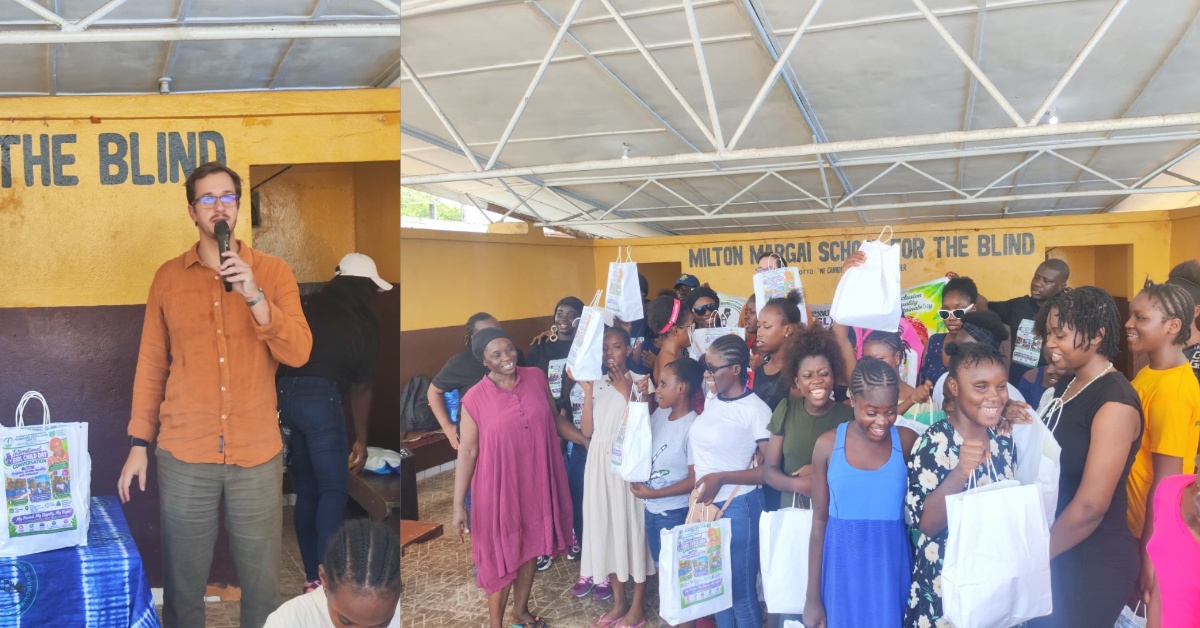
The Chief Executive Officer of Save Africa From Malaria Infection (SAFMI), Artem Volchenko, has inspired young people to champion dignity, equality and inclusion, stressing the need to create a society where every girl, regardless of her circumstances or disability, has access to essential hygiene products, healthcare information and opportunities to live an independent and dignified life.
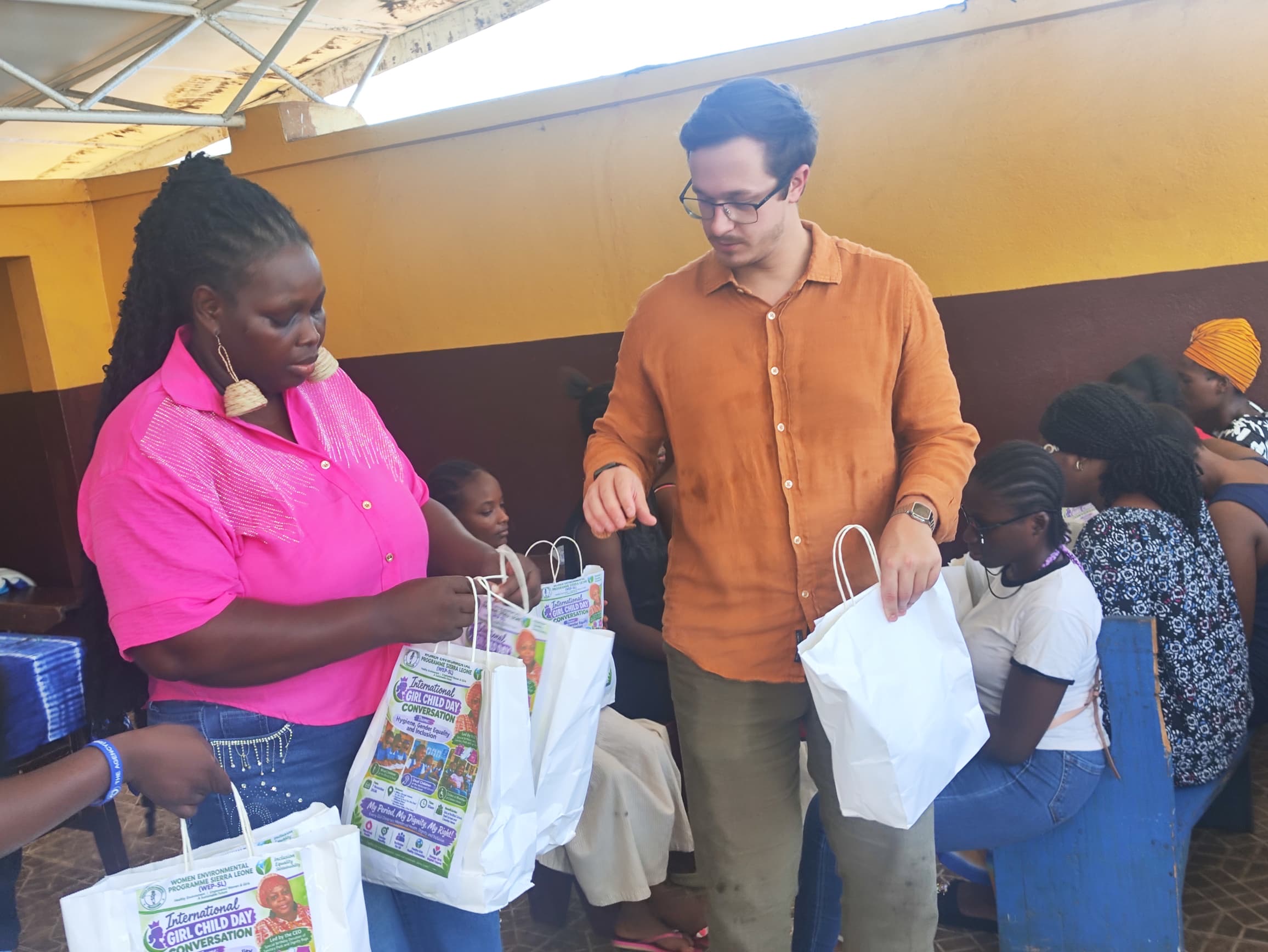
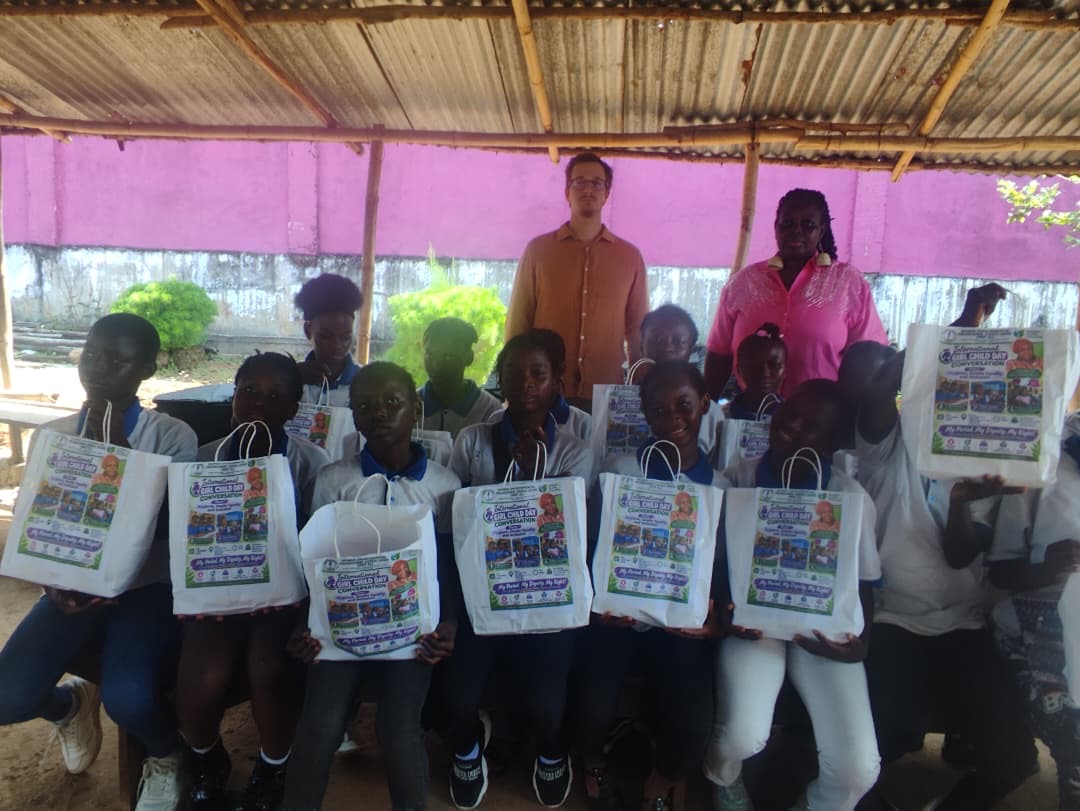
Speaking at a hygiene materials donation ceremony organised by the Women Environmental Programme Sierra Leone (WEP-SL) for female pupils of the National School for the Deaf and Milton Margai School for the Blind in Freetown, Volchenko challenged participants to look beyond charitable donations and work towards building sustainable systems that address the needs of vulnerable groups.
He described the initiative as commendable but expressed hope that such interventions would eventually become unnecessary because every girl would have access to the hygiene products, facilities, information and support she needs without depending on charitable events.

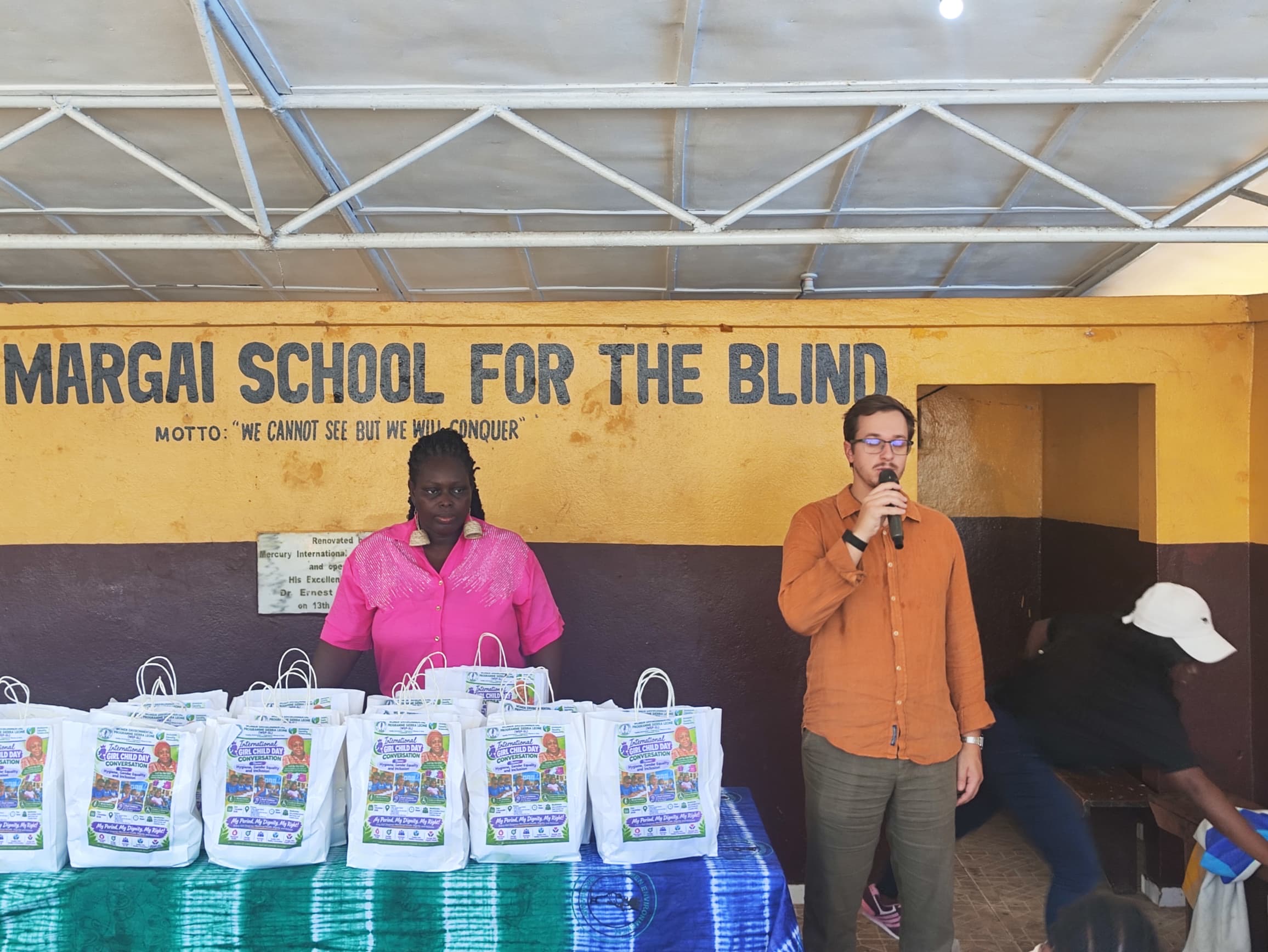



According to him, the ultimate goal should not simply be to organise more charitable activities but to build a society where fewer people depend on them to meet their basic needs.
Addressing three key areas of concern, Volchenko emphasised that dignity is a fundamental right, not a privilege, noting that access to clean toilets, running water, soap, sanitary products, accurate information and safe private facilities are essential to ensuring girls’ health, dignity and continued access to education.
He questioned how society could guarantee equal educational opportunities for girls without ensuring that they could comfortably attend school throughout the month, particularly when access to essential menstrual hygiene products and facilities remained a challenge.
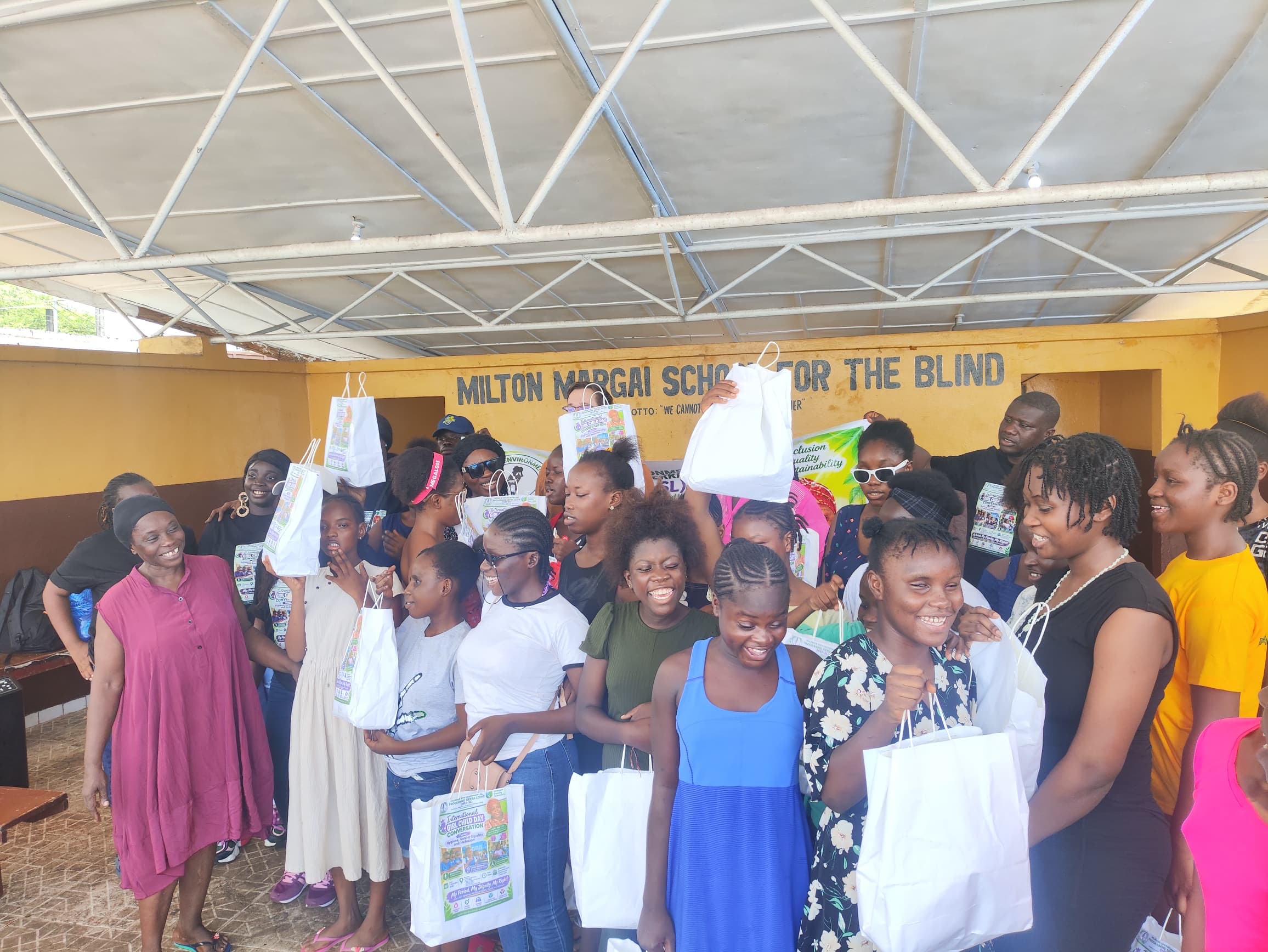
He also called for greater involvement of men in promoting women’s health, arguing that although men do not experience menstruation themselves, they have a responsibility to help create an environment where girls and women receive understanding, respect and practical support.
On disability inclusion, the SAFMI Chief Executive Officer argued that equality should not be limited to treating everyone in exactly the same way but should involve providing the necessary support to ensure that everyone enjoys equal opportunities.
Using the experience of students with hearing, visual and physical impairments, he explained that inclusive education and healthcare require accessible information, including Braille materials, audio resources, sign language interpretation and properly designed hygiene facilities.
He urged society to shift its focus from what persons with disabilities cannot do to identifying and removing the barriers that prevent them from participating fully in society.
Volchenko further stressed that girls with disabilities should not be viewed merely as recipients of assistance but as students, future professionals, potential leaders and individuals whose ambitions, opinions and voices deserve recognition.
On the need for sustained interventions, he challenged stakeholders to consider what happens after donations have been distributed and charitable events have ended, stressing that the success of such initiatives should be measured by their long-term impact rather than the immediate assistance provided.
Drawing from SAFMI’s experience in Sierra Leone, he explained that the organisation works to prevent malaria through biological mosquito control, using Gambusia fish that feed on mosquito larvae to help reduce mosquito populations.
He disclosed that SAFMI has established a fish farm in Freetown, developed a local team and built relationships with schools, hospitals, universities and government institutions to advance its malaria prevention interventions.
However, he noted that delivering solutions is only part of the process, explaining that sustained impact requires maintenance, training, community awareness and clear responsibility for ensuring that interventions continue to function effectively.
Applying the same principle to girls’ welfare and inclusion, he called for stronger collaboration among schools, public institutions, businesses, community leaders, parents, non-governmental organisations, men and boys to ensure that girls have continued access to health education, appropriate facilities and the support they need.
He cautioned that NGOs should not be expected to carry the entire responsibility for addressing social challenges, maintaining that meaningful progress requires collective action involving communities and institutions.
Addressing the girls directly, Volchenko encouraged them to speak openly about their health, ask questions and never feel embarrassed about natural biological processes. He also urged them not to allow their ambitions to be limited by the additional challenges they might face because of their disabilities.
He reminded them that they have the right to demand accessible education, healthcare that respects their needs, equal opportunities and recognition of their opinions in decisions affecting their lives.
In his closing remarks, Volchenko returned to his central message that dignity must be respected every day and should never depend on occasional charitable interventions.
He maintained that the true success of the WEP-SL initiative would not be determined by the number of people who attended or the donations distributed, but by whether stakeholders remained committed to supporting the girls long after the event had ended.
He congratulated WEP-SL on its initiative and commended the teachers, students, volunteers and other stakeholders who contributed to making the event possible.