
HRCSL Advances Sierra Leone’s First National Action Plan on Business and Human Rights
 Aaron Parker
Businesses operating in Sierra Leone are set to face a stronger human rights accountability framework under the country’s first National Action Plan (NAP) on Business and Human Rights, which aims to address gaps in business practices and ensure that commercial activities respect workers’ rights, protect the environment and meet international human rights standards.
The Human Rights Commission of Sierra Leone (HRCSL), through its Directorate of Business and Human Rights and Labour Relations, is leading the technical development of the Plan with funding from the United Nations Development Programme (UNDP).
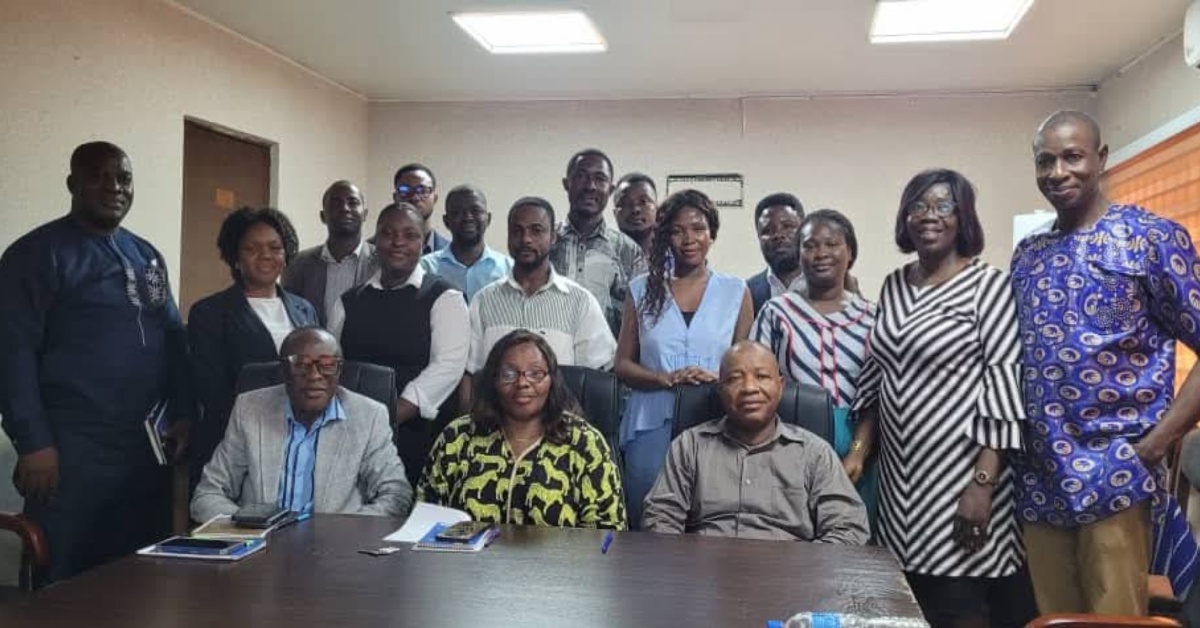
The initiative was discussed at a Steering Committee Meeting held in Freetown on 11 November 2026, bringing together 15 participants, including six females and nine males, to discuss preparations for the Plan’s launch and the responsibilities of committees tasked with overseeing its implementation.

HRCSL Chairperson, Mrs Patricia Narsu Ndanema, said the development of the Plan followed more than a decade of work, beginning with the Commission’s first public inquiry in Bumbuna in 2012 and the establishment of its Business and Human Rights Unit in 2015.



She explained that increasing investment in Sierra Leone had made it necessary to ensure that business operations place people at the centre of development and comply with international human rights standards.
According to Ndanema, nationwide monitoring by the Commission identified gaps in business practices across the country. These findings informed the development of a National Monitoring Guideline on Business and Human Rights, which subsequently provided the basis for the National Action Plan, with support from UNDP and other partners.
The framework will focus on three key areas: employment practices, environmental protection and security in business operations. It is intended to prevent human rights violations involving both public and private sector actors in investment areas.
A 15-member National Steering Committee, comprising representatives from Ministries, Departments and Agencies (MDAs), academia and civil society organisations, will serve as the technical working group responsible for the Plan.
An Inter-Ministerial Committee, chaired by the Attorney General, will provide government-level coordination and oversight. Although HRCSL will offer technical and operational leadership, the Commission emphasised that implementation will be government-led through the Office of the Attorney General and Minister of Justice.
The Plan will cover five years, from 2026 to 2030, with an implementation framework, budget and provisions for monitoring and accountability.
At the meeting, participants agreed on the need for consistent participation from MDAs and the involvement of additional experts where necessary. They also recommended incorporating monitoring and evaluation responsibilities into the National Steering Committee and adding new members to its WhatsApp communication platform.
The Commission stressed that the effectiveness of the framework would depend on its actual implementation rather than the launch alone.
The Secretariat was tasked with preparing the agenda for the proposed launch of the National Action Plan on 24 November 2026.