

Gender Ministry Visits Caritas Rehabilitation Centre to Strengthen Support for Vulnerable Individuals
 Theresa Manneh
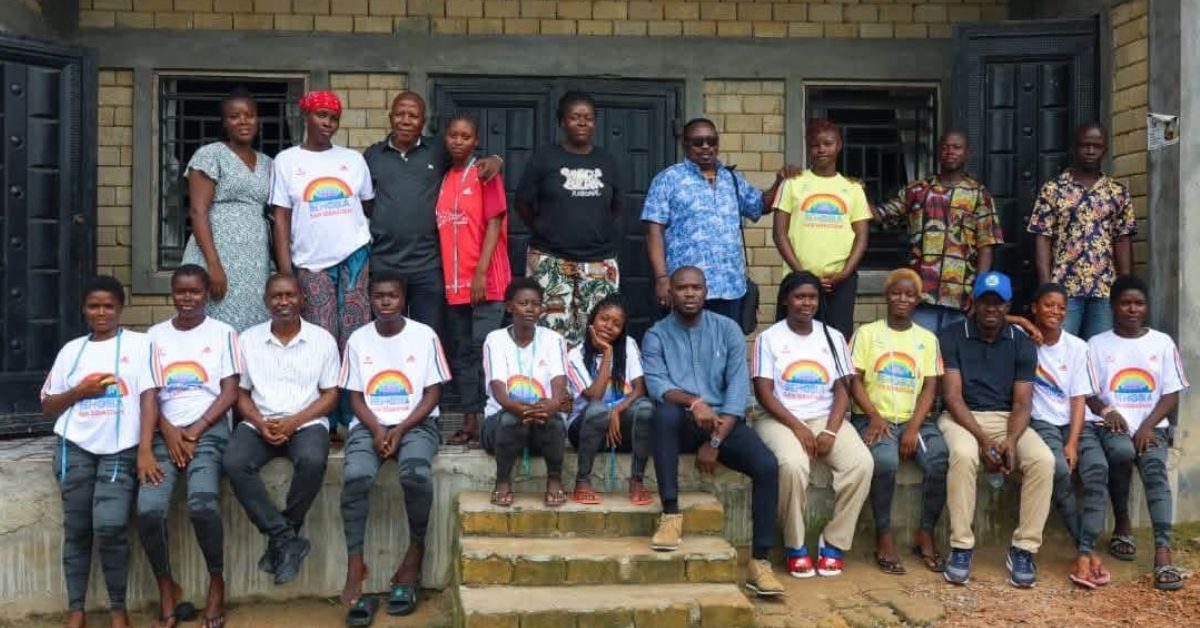
A delegation from the Ministry of Gender and Children’s Affairs has visited Caritas Freetown’s Makomba Rehabilitation Centre in Newton to explore ways of strengthening collaboration in the rehabilitation, empowerment and social reintegration of vulnerable and at-risk individuals.
The visit took place on Wednesday, 11 November 2026, as part of the Ministry’s efforts to deepen partnerships with organisations working to support vulnerable people and improve access to rehabilitation and empowerment services.
The delegation was led by Mr Harry Mahoi and Mr Joseph Dennis Koroma. They were received by Caritas Board Member, Mr Peter Joseph Menjor; Project Manager, Mr Murray Massaquoi; and other members of the project team.

During the engagement, representatives of the Ministry commended Caritas Freetown for its work at the centre, particularly in providing rehabilitation services, vocational skills training, personal empowerment and support for the social reintegration of beneficiaries.


Discussions also focused on the need to ensure the long-term sustainability of rehabilitation programmes, with particular emphasis on agriculture, poultry farming and other income-generating activities. These initiatives are intended to equip beneficiaries with practical skills, promote self-reliance and create opportunities for sustainable economic empowerment.
Caritas Freetown reaffirmed its commitment to helping vulnerable individuals rebuild their lives, restore their dignity and become productive members of their communities.
Speaking on behalf of the organisation, Executive Director Rev. Fr. Peter Konteh expressed appreciation to the Ministry for its visit, encouragement and recognition of the organisation’s work. He also acknowledged the dedication of the project team and the continued support of partners in advancing Caritas Freetown’s mission.
The engagement highlighted the importance of stronger partnerships between government institutions and civil society organisations in addressing vulnerability, improving rehabilitation services and promoting inclusive community development.
It also underscored the need to create sustainable opportunities that enable individuals to overcome difficult circumstances, regain their independence and build better futures.