

PPRC Explains Intervention in Musa Tarawally-SLPP Membership Dispute
 Alex Fefegula Harding
Sierra Leone’s political parties regulator, PPRC, is examining the dispute surrounding Hon. Musa Tarawally’s membership of the Sierra Leone People’s Party as competing claims raise questions about party membership and internal procedures.
PPRC Executive Secretary Olushogo A. David provided insight into the Commission’s intervention following the withdrawal of Tarawally’s SLPP membership status, emphasizing the regulator’s role in addressing disputes within registered political parties.
The dispute has placed the question of who qualifies as a party member at the center of a broader political disagreement involving Tarawally and the SLPP leadership.

David’s explanation points to the PPRC’s established approach of seeking clarification from the parties involved before determining whether further regulatory action is necessary.
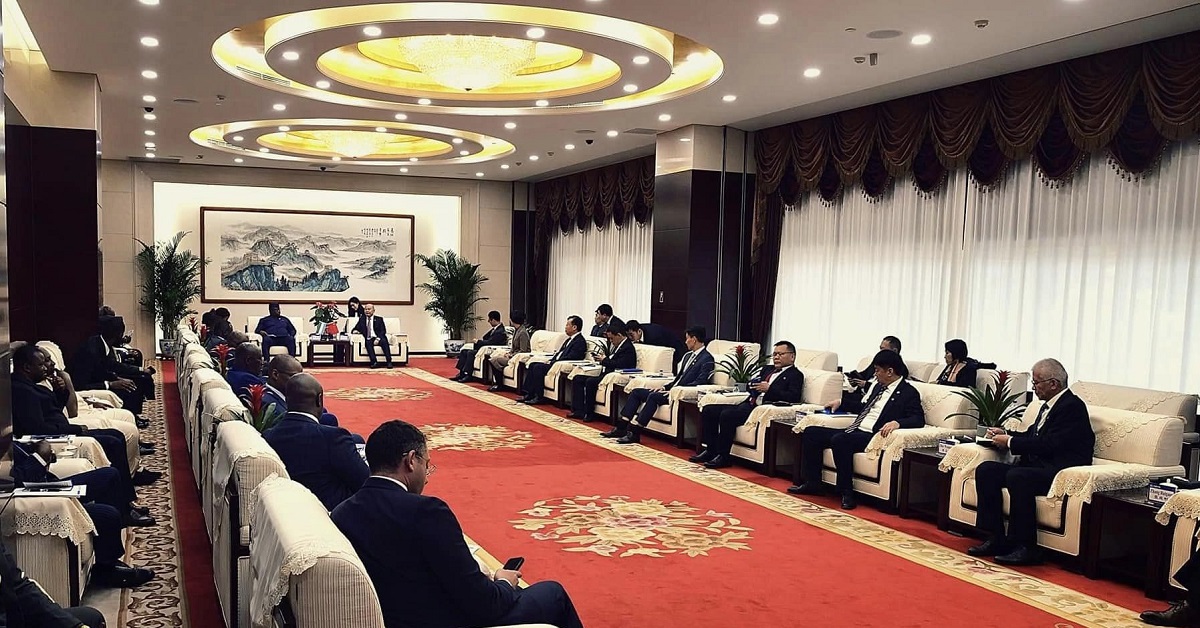
The Commission has previously handled political-party disputes through a process that involves communicating complaints to the relevant party, obtaining its response and allowing the complainant an opportunity to react before the matter is resolved. The PPRC followed a similar process in a previous membership dispute involving former Vice President Samuel Sam-Sumana and the All People’s Congress.
The Tarawally controversy emerged after SLPP National Chairman Jimmy Batilo Songa questioned Tarawally’s standing within the governing party. Tarawally has rejected the challenge and maintained that his rights as a party member cannot be removed without following the procedures provided by the party’s constitution.
The disagreement has also drawn attention to Tarawally’s political history and his previous association with the Citizens Democratic Party. Reports on the dispute indicate that conflicting claims have emerged over whether he formally resigned from the CDP before returning to the SLPP.
That question is significant because party membership can affect eligibility for internal party positions and participation in political processes.
The PPRC has a broader mandate to regulate political parties and promote compliance with Sierra Leone’s political-party laws. David has previously said the Commission is prepared to assist political parties with internal democratic processes when formally requested.
The Commission has also emphasized mediation and dispute resolution as part of its work. In previous intra-party disputes, PPRC officials have stressed the importance of resolving disagreements through established party mechanisms before external intervention.
The Tarawally case therefore extends beyond an individual membership disagreement. It raises questions about how political parties verify membership, enforce their constitutions and handle disputes involving senior members and potential leadership contenders.
For the PPRC, the challenge will be to balance respect for political parties’ internal autonomy with its statutory responsibility to ensure that registered parties operate within the law and their own governing frameworks.
The Commission has not publicly issued a final determination establishing Tarawally’s membership status in the current dispute.
Until such a determination is made, competing claims by Tarawally, SLPP officials and other parties to the dispute should be treated as allegations rather than settled facts.