

Mansaray Questions Musa Tarawally’s Political Clout Ahead of 2028
 Alex Fefegula Harding
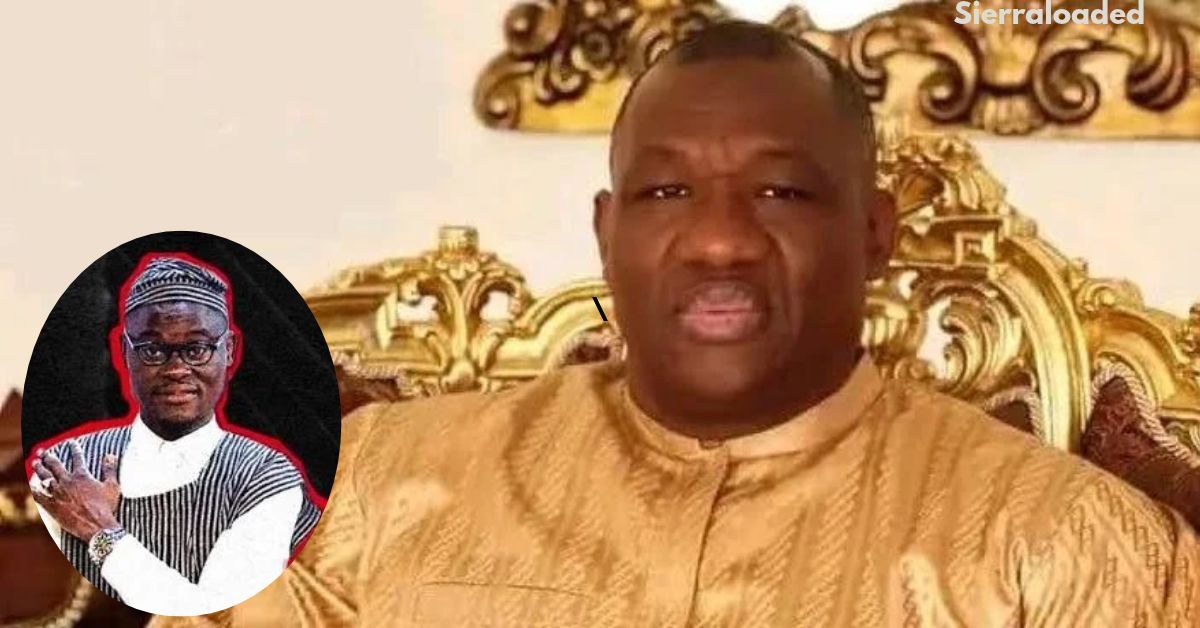
Journalist and social commentator Melvin Tejan Mansaray has questioned Musa Tarawally’s political influence, arguing that his electoral record raises doubts about the size of his current political base.
Mansaray said Tarawally’s political relevance should be measured against his ability to command sustained voter support rather than the attention generated by his recent statements or political moves.
He pointed to Tarawally’s performance in the 2018 presidential election, when Tarawally ran under the United Democratic Movement and received a relatively small share of the national vote.

Mansaray also questioned whether Tarawally’s references to grassroots figures and political delegates demonstrate a substantial electoral constituency.
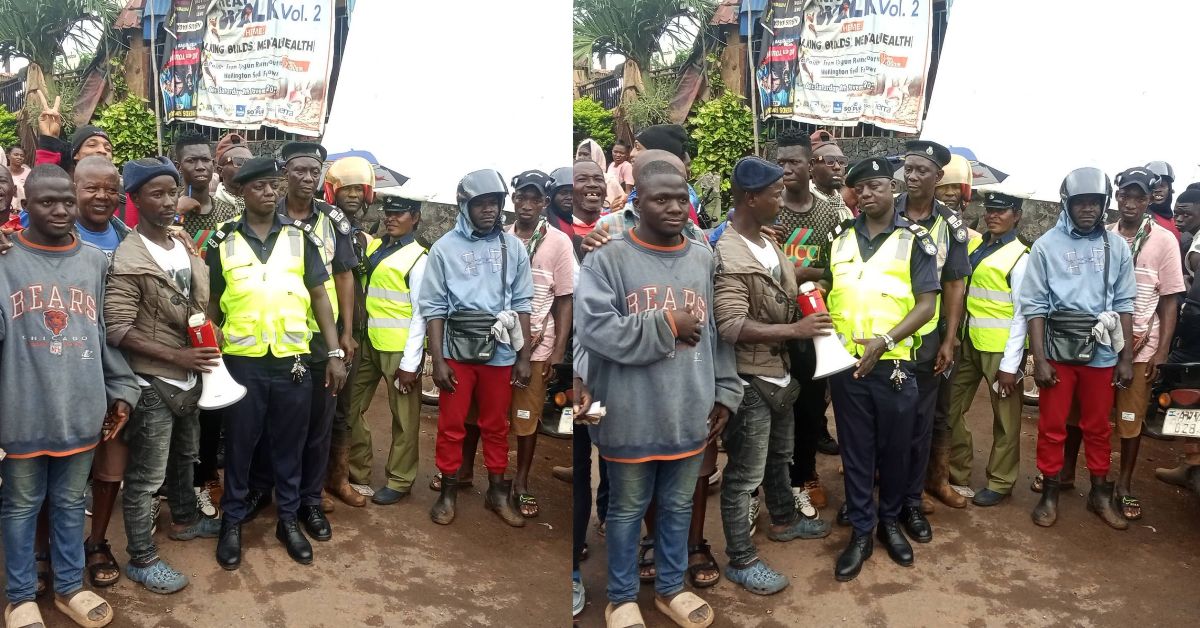


He singled out Tarawally’s apparent use of “White Boy” and references to political delegates, describing them as political gestures rather than evidence of an established nationwide support base.
The commentator said Tarawally’s suggestion that he could join another political party, return to a previous political platform or establish a new party should nevertheless be watched closely.
Mansaray questioned whether Tarawally has enough time and organizational capacity to build a viable political party before the next general elections.
He also raised questions about where Tarawally would find himself politically if he opted to return to the All People’s Congress, noting that such a move would require the party to determine whether it was prepared to accept him.
Mansaray similarly questioned the possibility of Tarawally returning to another political platform with which he had previously been associated.
In particularly strong language, Mansaray described Tarawally as politically inconsistent because of his movement between different political formations. That characterization reflects Mansaray’s personal assessment and is not a fact.
Despite his criticism, Mansaray acknowledged that Tarawally’s political moves should not simply be ignored, particularly if he seeks to establish a new political organization or align with an existing party.
He also challenged what he described as a serious allegation concerning an alleged political approach involving President Julius Maada Bio and other political actors.
Mansaray questioned Tarawally’s account of the alleged communication and called for greater clarity about the people involved and the circumstances surrounding the reported approach.
The dispute comes as Sierra Leone’s political parties begin positioning themselves for the 2028 elections, making questions about political alliances, defections and grassroots support increasingly significant.
For Mansaray, however, the central question remains whether Tarawally’s current political visibility translates into enough organized support to materially influence the next electoral contest.