

ACC, UNODC Explore Stronger Measures to Recover Proceeds of Corruption
 Aaron Parker
The Anti-Corruption Commission (ACC) and the United Nations Office on Drugs and Crime (UNODC) have explored ways to strengthen Sierra Leone’s capacity to identify, trace and recover assets linked to corruption and other financial crimes.
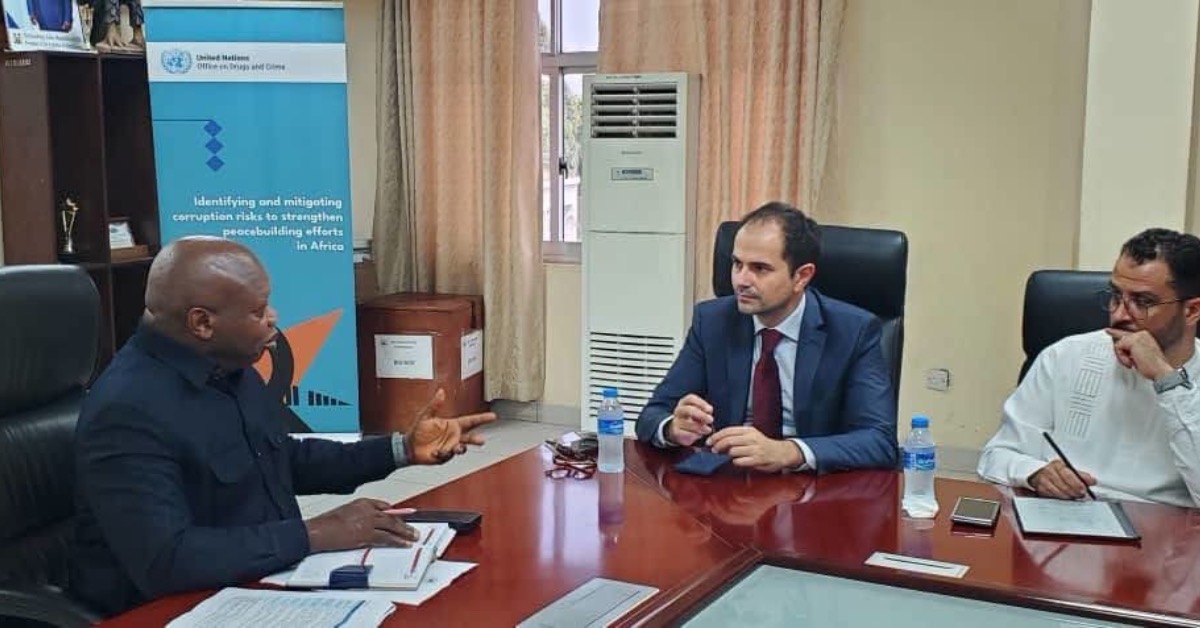
The discussions took place on Wednesday, 25 November 2026, when a three-member UNODC delegation visited the ACC’s headquarters at Integrity House, Tower Hill, Freetown, as part of its ongoing scoping mission to Sierra Leone.
The engagement, chaired by the ACC’s Coordinator of Operations, Patrick Sandi, focused on institutional priorities and opportunities for enhanced technical cooperation between the two institutions.

Leading the discussions on behalf of UNODC was Jonathan Bourguignon, Adviser on Corruption and Financial Crime.

During the meeting, discussions centred on criminal asset recovery, beneficial ownership and strengthening the ACC’s case-by-case verification process for asset declarations.
These areas are considered important in improving the ability of anti-corruption institutions to identify assets, establish ownership and address financial activities linked to corruption.
Deputy Commissioner Augustine Foday Ngobie reaffirmed the ACC’s commitment to working with and supporting public institutions within its mandate. He also highlighted the Commission’s readiness to contribute to addressing existing legal gaps surrounding political financing.
The ACC’s Director of Intelligence and Investigations, Evelyn Kuyateh, alongside other directors, also outlined operational challenges and technical needs that could affect the Commission’s ability to investigate complex financial offences.
The discussions formed part of UNODC’s scoping mission, which is running from 23 to 27 November, to assess institutional needs and identify areas where technical assistance could strengthen Sierra Leone’s response to corruption and organised crime.
According to the Commission, findings from the engagement will help shape future UNODC technical support aimed at strengthening the country’s anti-corruption efforts.
The engagement reflects ongoing efforts to improve institutional capacity in tackling corruption, particularly through stronger asset recovery systems, ownership transparency and more effective financial investigations.