

Bio Wins MEDays Grand Prize, Calls for Stronger African Representation
 Sia Lucy Kannah
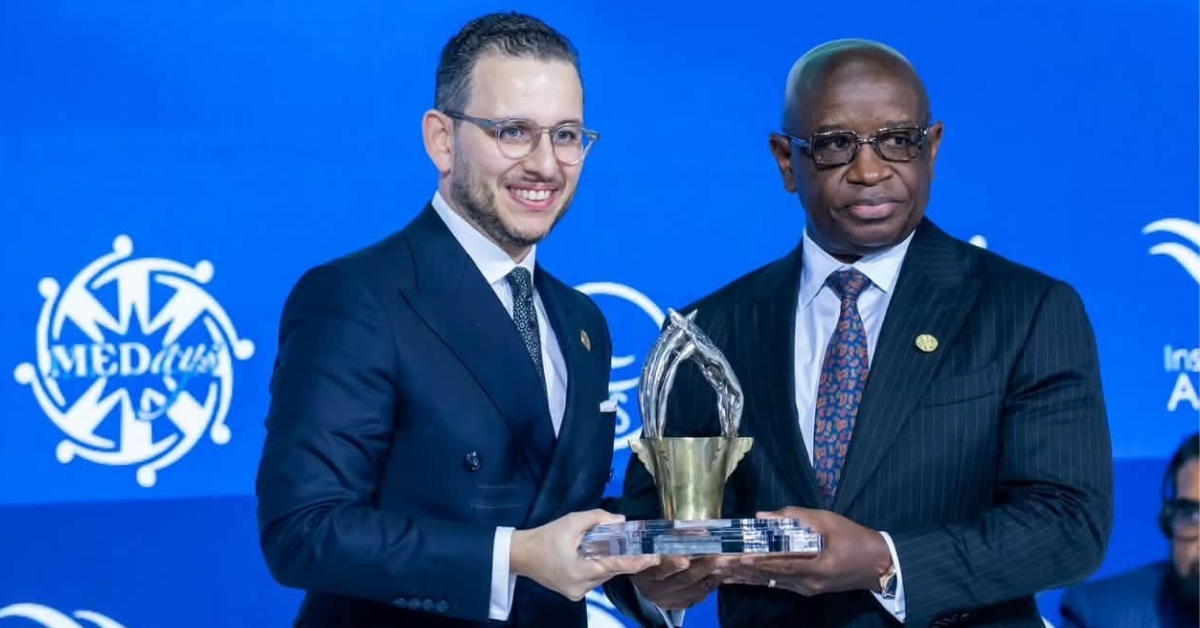
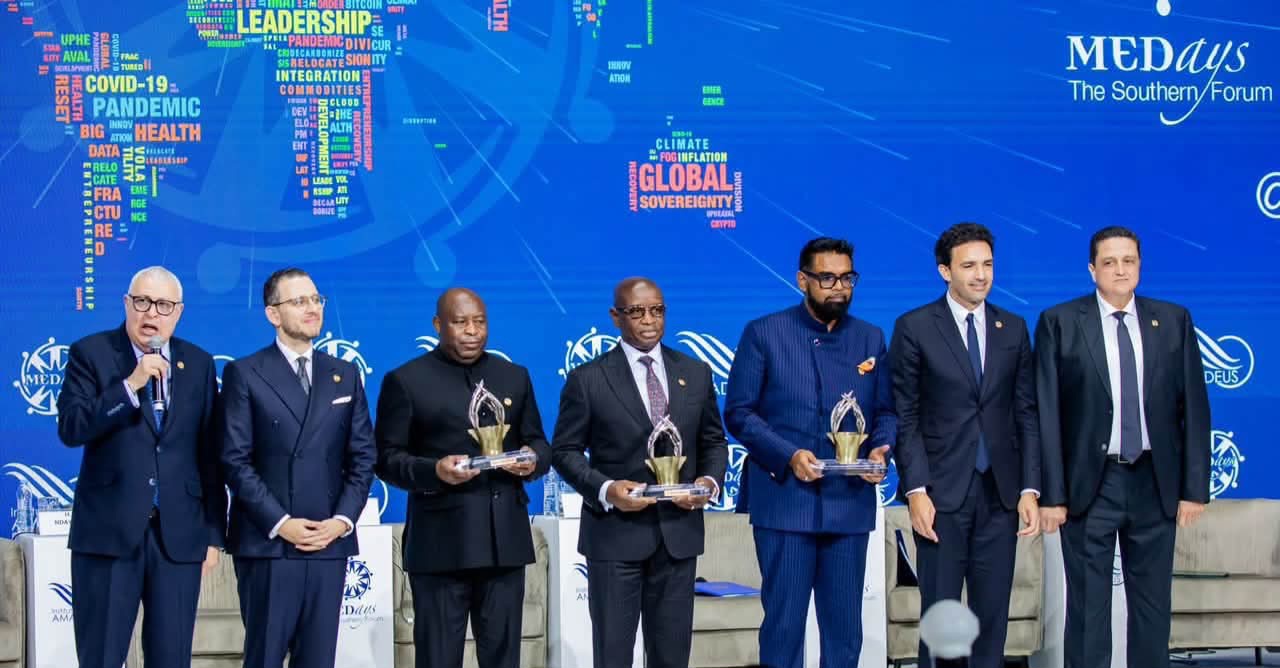
Sierra Leonean President Julius Maada Bio received the MEDays Grand Prize at the 18th MEDays International Forum, where he urged world leaders to strengthen global cooperation, reform international institutions and give Africa a greater role in decisions affecting its future.
The award recognised Bio’s contributions to peace, democracy, regional integration and human capital development. Accepting it, he thanked the Amadeus Institute and dedicated the honour to the people of Sierra Leone, as well as Africans working to advance peace and strengthen their countries.
“I receive this honour on behalf of the great people of Sierra Leone, whose resilience and determination continue to inspire my service,” he said.

Held in Tangier under the theme “Fragmented World: Time for Choices,” the forum brought together global leaders and policymakers to discuss geopolitical and economic challenges. In his keynote address, Bio said leadership should be measured by the peace it preserves, the opportunities it creates and the future it leaves to coming generations.
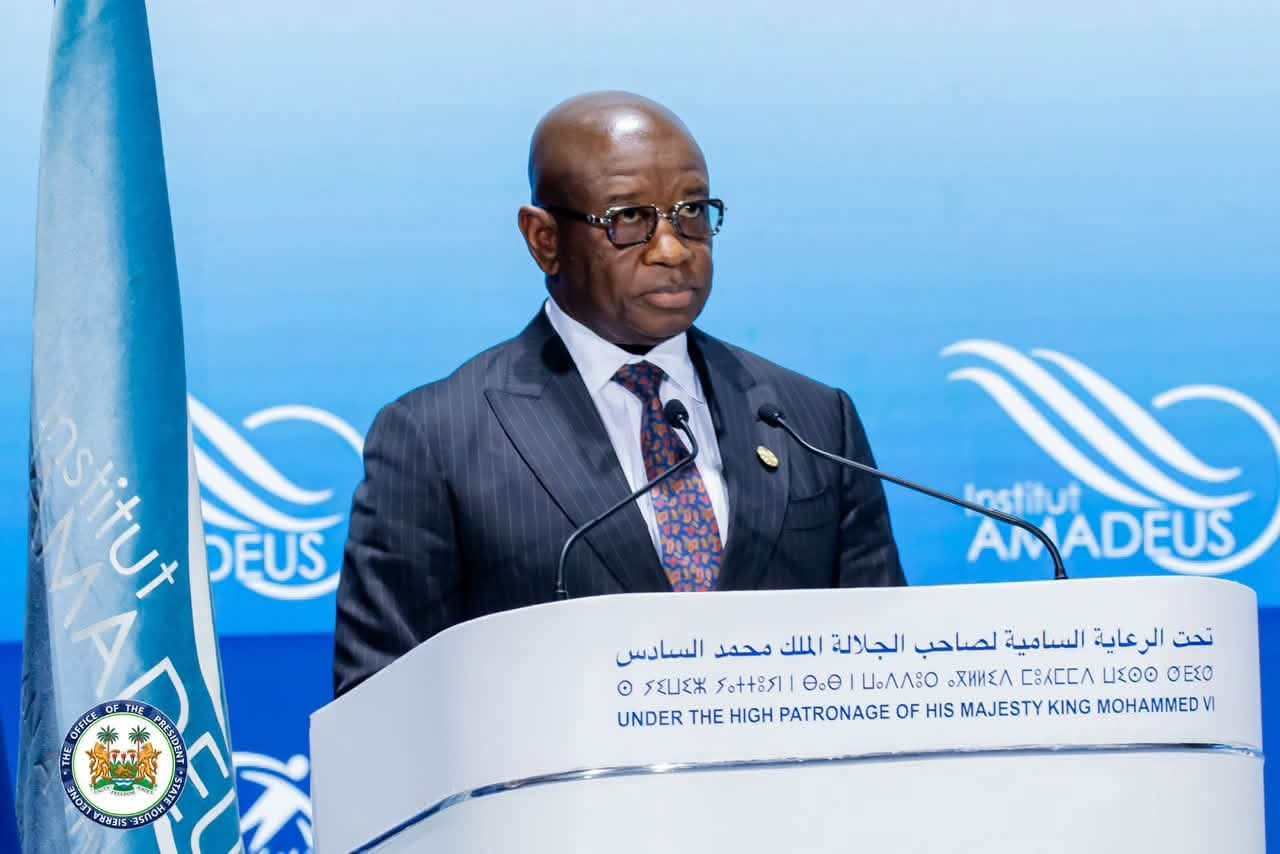
He described Africa and Europe as closely connected through trade, migration and shared history, noting that global conflicts and policy decisions can have direct consequences for African economies, from fuel prices to borrowing costs and local producers’ livelihoods.
Bio called for stronger regional cooperation to address insecurity in West Africa, including terrorism and instability in the Sahel. He said political differences should not obstruct collective efforts to protect people across shared borders and communities.
“Our peoples share borders, markets and families, and their security must remain our common responsibility,” he said.
As Coordinator of the African Union Committee of Ten on UN Security Council Reform, Bio renewed calls for changes to the Council, arguing that Africa needs meaningful representation in decisions affecting its peace and security. He cited the continent’s lack of permanent representation despite the Council’s frequent consideration of African conflicts.
Bio said reform should follow the Ezulwini Consensus and Sirte Declaration, including at least two permanent African seats with the rights and privileges of permanent membership, including the veto, and five non-permanent seats.
“We are not asking for special treatment. We are asking for fair representation,” he said.
President Bio described Morocco as a key partner and called for deeper cooperation in trade, investment, agriculture and energy. He welcomed King Mohammed VI’s initiative to facilitate Atlantic access for Sahel countries and the proposed Nigeria-Morocco African Atlantic Gas Pipeline, saying such projects could support regional connectivity and integration.
The president also stressed that Africa’s development must create meaningful opportunities for young people. Education and skills, he said, should lead to employment, enterprise and the ability to build a decent life. He urged governments to create conditions that make young people more able to choose whether to stay or travel.
“Our ambition is an Africa where young people can build fulfilling lives at home and explore the world by choice, not out of desperation,” he said.
Bio concluded by urging African countries to choose peace over conflict, production over dependency and cooperation over division. He said Africa seeks respectful partnerships and a greater role in shaping global solutions.
“In a fragmented world, we must decide whether to deepen our divisions or build a future together. Let us choose to build that future together,” he said.