

US$20 Million Financing Package Finalised to Boost Palm Oil Processing in Sierra Leone
 Bernice Bangura
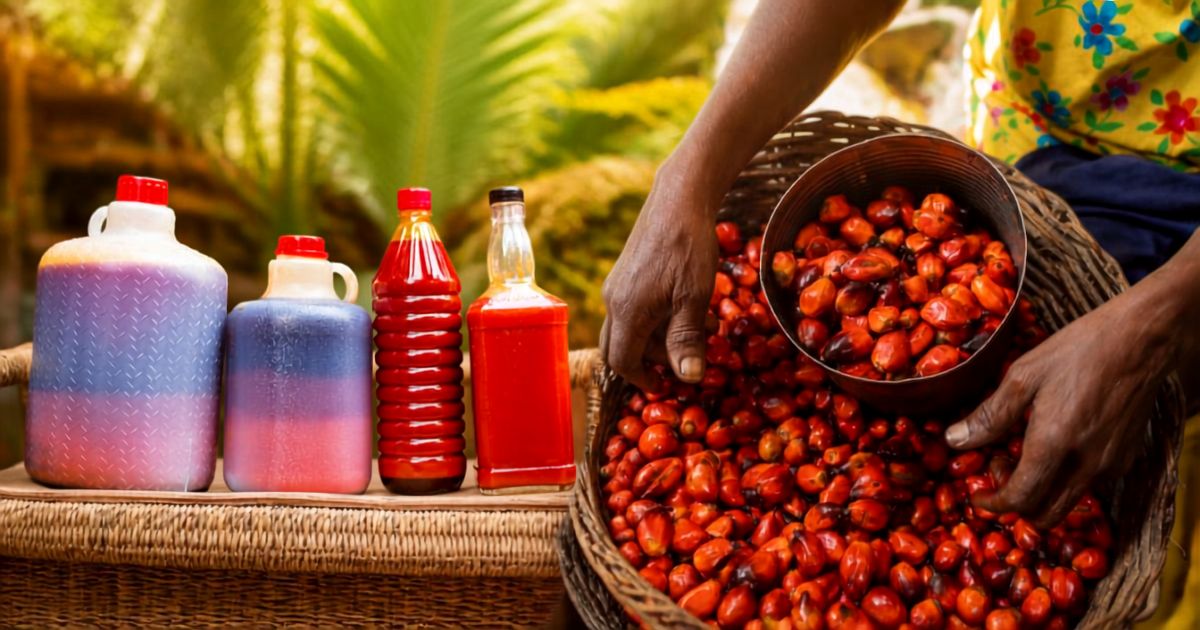
 Sierra Leone’s palm oil processing sector has received a major boost following the finalisation of a US$20 million financing package from Proparco, the French development finance institution, aimed at expanding the operations of Jolaks Manufacturing Company Limited.
The financing, Proparco’s first direct investment in Sierra Leone, was secured under the Africa Resilience Investment Accelerator (ARIA) initiative and is now being implemented, according to details of the agreement first signed in November 2024. The loan will support the expansion of Jolaks’ existing refinery capacity, the installation of a biomass power plant, and strengthened links with local smallholder farmers.
Jolaks, a subsidiary of the family-owned Pee Cee Holding Ltd, currently processes up to 300 tonnes of crude palm oil per day at its Freetown refinery, converting it into refined cooking oil sold under brands such as Padi, as well as soap and by-products. The company employs more than 400 people and already supplies the domestic market while exporting to several ECOWAS countries.

Proparco’s Regional Director for West Africa, Sadio Dicko, described Jolaks as a “key player for the Sierra Leonean population,” noting that the financing would enable the company to process more palm oil locally and secure the supply of this staple commodity. ARIA Country Manager for Sierra Leone, Valerie Entsiful, said the company’s objectives were “very clear, both in terms of food security and creating jobs for young people in Sierra Leone”.
Minister of Agriculture and Food Security Henry Musa Kpaka stated that Sierra Leone has transitioned from being a net importer of vegetable oil to a net exporter, with palm oil production growing “by at least 8% to 10% every year”. He highlighted the tangible household impact, noting that the company’s success allows families to send their children to school and access sufficient food.
For local smallholder farmers, the expansion represents a more reliable market for their produce. Cecilia Jimmy, a farmer who has supplied Jolaks since 2001, said the company “pays us a good price, so we always come back to them”. The increased capacity is expected to encourage higher production and reduce post-harvest losses that have historically plagued rural producers with limited market access.
The investment aligns with the government’s broader objectives of job creation, import substitution, and agricultural self-sufficiency. Minister of Trade and Industry Alpha Ibrahim Sesay noted the country’s commitment to attracting investment in agriculture and related sectors.
The Jolaks project is part of a wider push by the Pee Cee group, which also operates large-scale onion farming and processing in Lungi under the government’s Feed Salone initiative.
With increased local processing capacity, Jolaks is positioned to reduce Sierra Leone’s foreign-exchange leakage from vegetable oil imports while strengthening the link between rural farming communities and the national market.