
Audit Service to Lead Sierra Leone’s 2024–2025 EITI Report in Push for Transparency
 Aaron Parker
Audit Service Sierra Leone (ASSL) will take a leading role in the production and independent verification of the country’s 2024–2025 Extractive Industries Transparency Initiative (EITI) Report, in a move expected to strengthen public confidence in disclosures on mining revenues while reducing the cost of international reporting exercises.
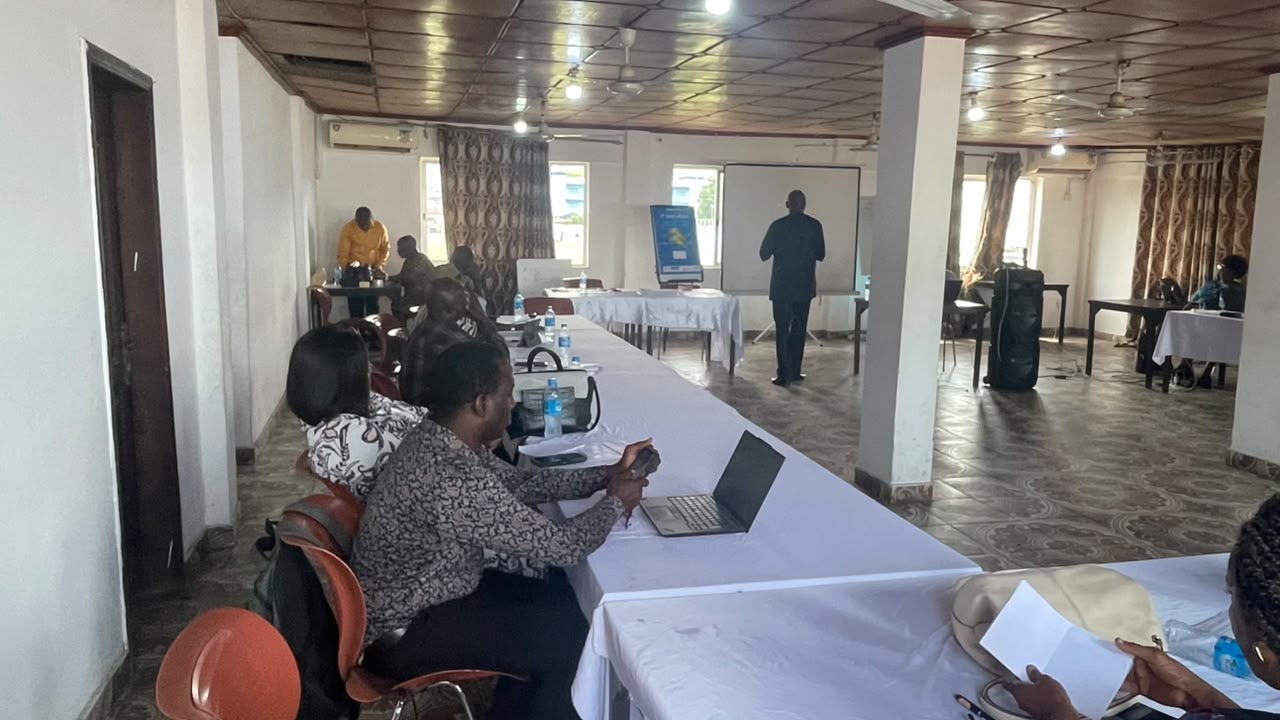
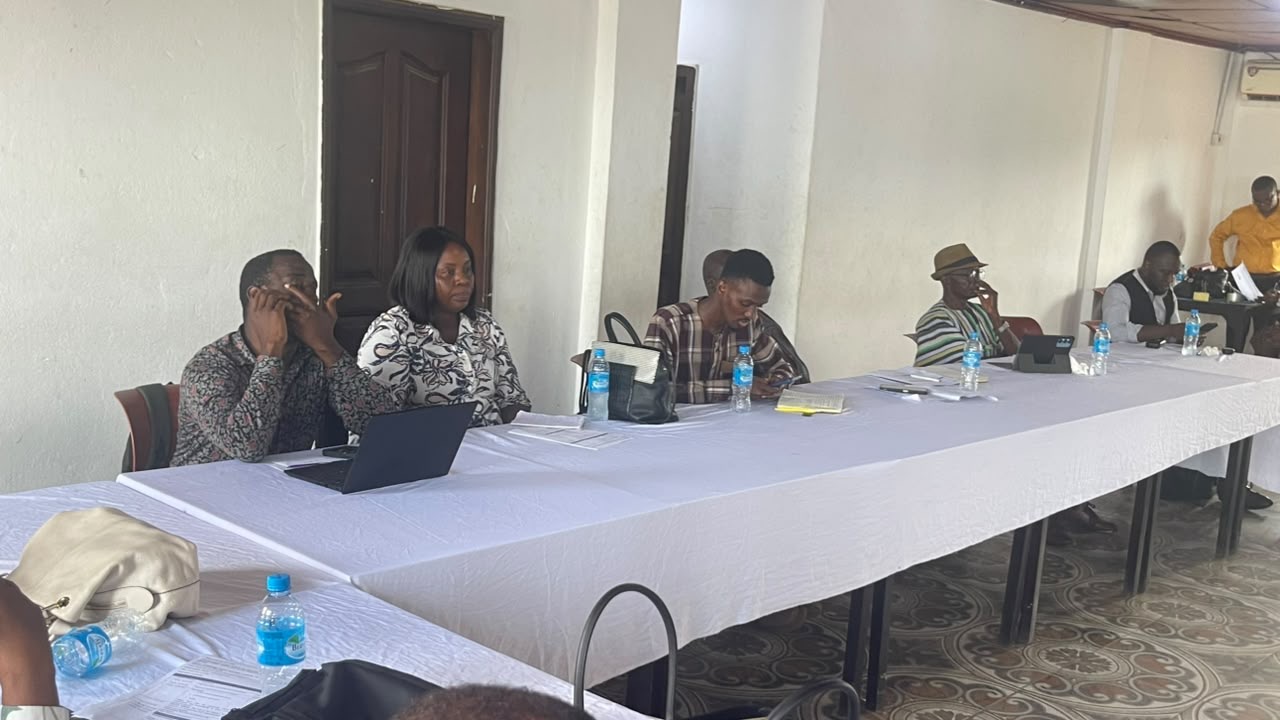
The partnership between ASSL and the Sierra Leone Extractive Industries Transparency Initiative (SLEITI) was discussed during a one-day round-table session held on Tuesday, November 10, 2026, at the Marianella Pastoral Centre on Syke Street in Freetown.
Held under the theme, “Strengthening Country Ownership, Credibility and Public Accountability through National Institutions in EITI Reporting,” the meeting brought together representatives of government institutions, civil society organisations, the media and other stakeholders to discuss the benefits of the locally led reporting approach.



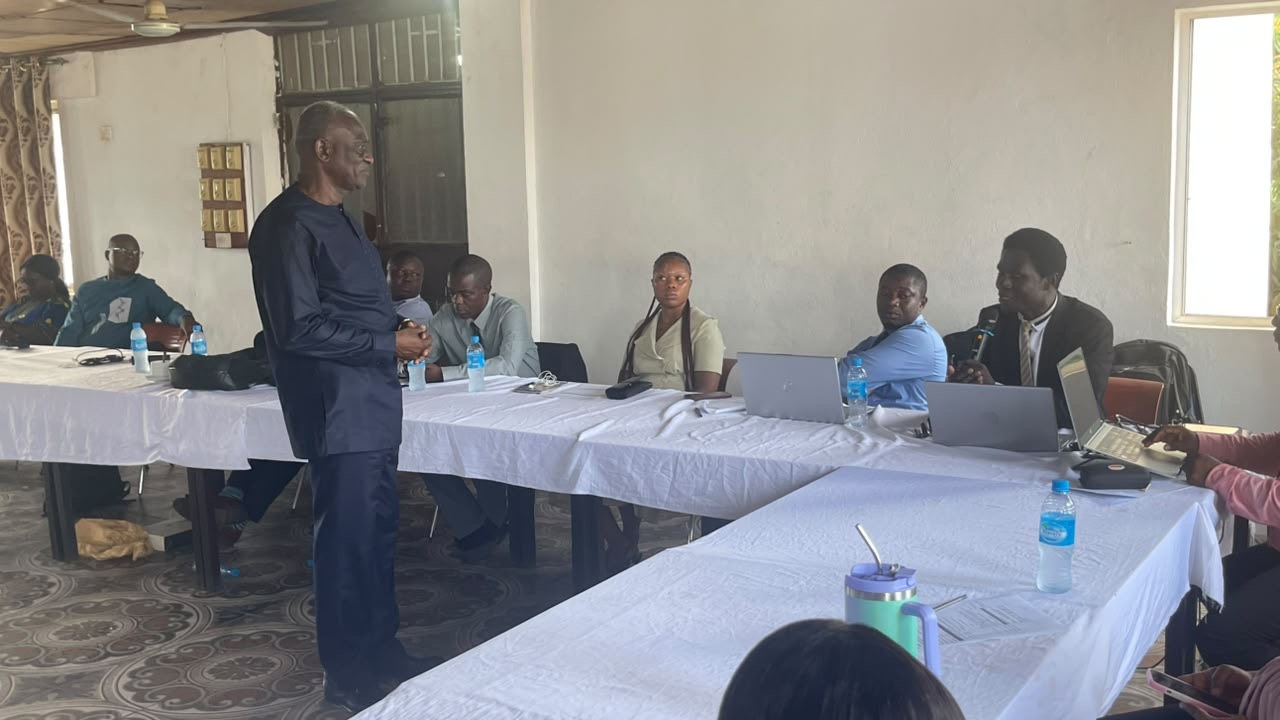
Speaking on behalf of the Auditor General, Sinneh Kargbo of ASSL described the partnership as an important step towards strengthening transparency, accountability and institutional oversight in the management of Sierra Leone’s natural resources.
He noted that the country’s mineral resources contribute to economic development through employment creation, infrastructure development and improved livelihoods, particularly in mining communities. However, he stressed that these benefits can only be maximised through transparent resource management and effective institutional accountability.
Kargbo explained that the partnership brings together SLEITI’s mandate to promote transparency in the extractive sector and the Audit Service’s independent auditing and accountability functions.
He identified the production of the 2024–2025 EITI Report as an opportunity to address weaknesses in data availability, information quality and institutional responsibilities, while strengthening public oversight of mineral revenues, licensing, contracts and ownership information.
He further emphasised that transparency should go beyond publishing information, noting that disclosed information must be independently scrutinised and translated into meaningful actions, improved decision-making and corrective measures where weaknesses are identified.
Kargbo said the collaboration would also help build local expertise and institutional capacity, establishing stronger mechanisms for information disclosure, verification, auditing and follow-up.
In a presentation on the rationale and benefits of the partnership, SLEITI highlighted that Sierra Leone has been implementing EITI principles since 2008 and has so far produced 12 reports, with the 13th report, covering the 2024–2025 reporting period, currently in preparation.
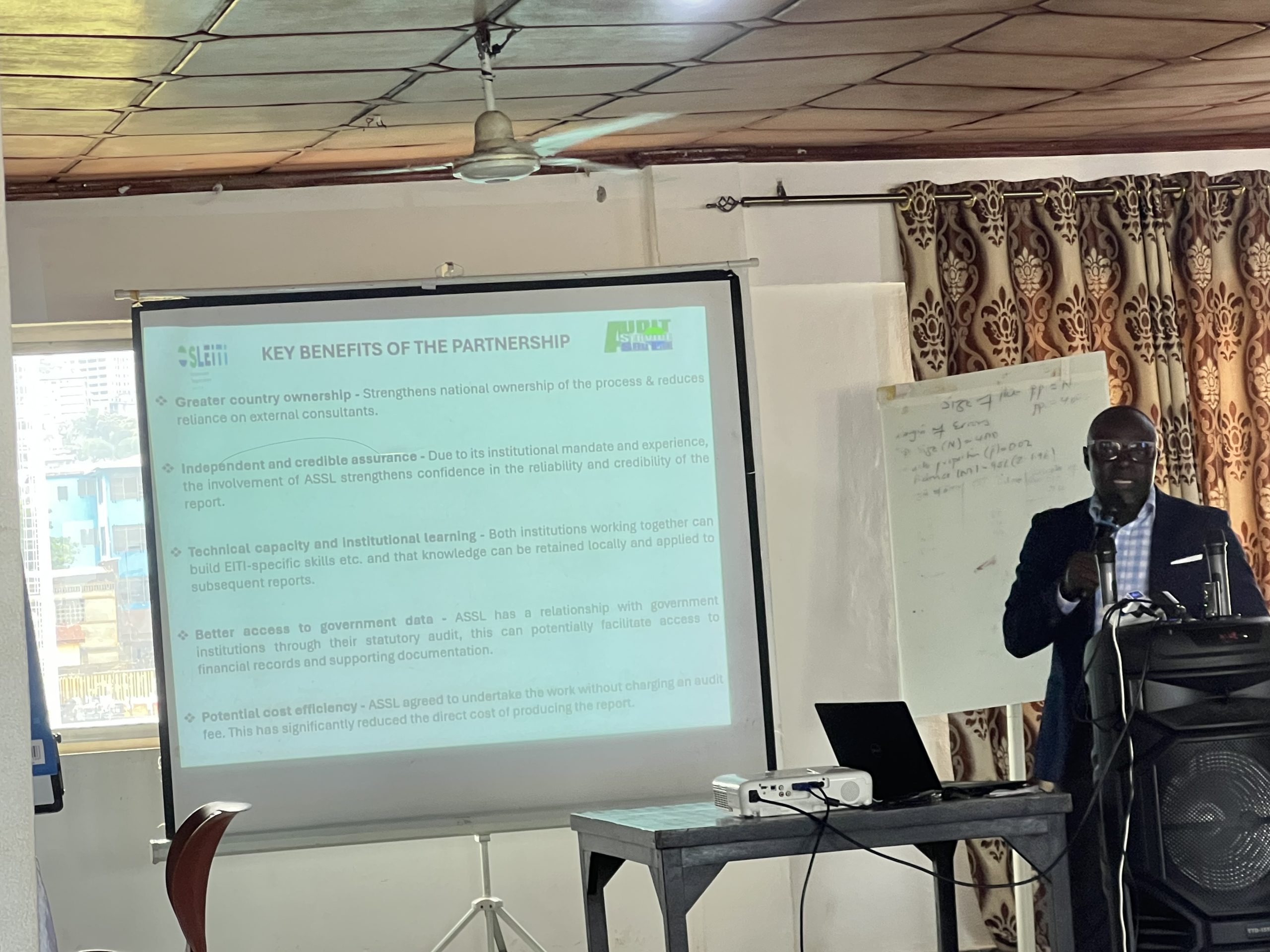
The presentation explained that the new arrangement represents a shift from the country’s previous reliance on international consultants towards a locally driven reporting system led by national institutions.
Under the partnership, ASSL will provide technical expertise and institutional independence to support the reporting process, while SLEITI will continue to facilitate transparency and stakeholder engagement.
The presentation identified institutional collaboration, knowledge sharing, technical capacity development and improved data verification as some of the expected benefits.
It also outlined the major stages of report production, including scoping, data collection, quality assurance, gap analysis and preparation of the final report. Reporting templates have already been sent to relevant government institutions and extractive companies to provide information covering the reporting period.
The submissions are expected to undergo verification and cross-checking to ensure that the information presented in the final report is accurate and complete.
Among the milestones already achieved are the signing of a Memorandum of Understanding (MoU) defining the responsibilities of both institutions, the development of terms of reference, capacity-building programmes facilitated with support from the EITI International Secretariat and the establishment of a dedicated technical team comprising personnel from SLEITI and ASSL.
However, the presentation identified data collection as one of the major challenges, stressing that the process requires extensive engagement with several institutions, timely submission of information and thorough verification.
Speaking on behalf of civil society and the media, Cecilia Mattia welcomed the involvement of ASSL, describing it as an important opportunity to strengthen local institutional capacity and reduce the country’s reliance on expensive international firms.
She disclosed that previous international validation exercises had cost Sierra Leone more than US$70,000 annually, arguing that the locally led approach could provide a more cost-effective alternative.
Mattia, however, expressed concern about limited public awareness of the validation process and called for increased media engagement, public education and community-level discussions to help citizens understand the importance of the initiative.
She urged civil society organisations, media institutions, government agencies and other stakeholders to remain actively involved throughout the process, monitor its implementation and address potential challenges before the international evaluation.
She stressed that the initiative should be guided by the collective interest of Sierra Leone rather than individual or institutional interests.
Also speaking, Mabinty Sesay of the Ministry of Mines and a member of the SLEITI Multi-Stakeholder Group, said the partnership would strengthen coordination between institutions and improve the quality, verification and disclosure of information within the extractive sector.
She noted that Sierra Leone’s mineral wealth has significant potential to support economic growth and improve livelihoods but emphasised the need for stronger accountability to ensure that the country benefits from its natural resources.
Sesay said the collaboration would help improve oversight of mineral revenue collection, payments to government, mining licences, contracts and other activities within the extractive sector.
She also called for improved coordination among government institutions to minimise overlapping responsibilities and ensure that findings from reports and audits result in meaningful corrective actions.
Earlier, a representative of the National Coalition on Extractives (NACE), in the welcome address, highlighted the importance of strengthening transparency, public accountability and stakeholder participation in the EITI process.
Discussions during the session also focused on strengthening country ownership of the initiative through greater collaboration among government institutions, civil society organisations and private sector participants.
Stakeholders emphasised the need for sustained government commitment, political will, active civil society participation and support from extractive companies to ensure effective implementation of the EITI principles.
The discussions further highlighted the importance of expanding public awareness and exploring opportunities to extend transparency and oversight to other natural resource sectors, including forestry and marine resources.
The 2024–2025 EITI Report is expected to provide information on mineral revenues, payments made by extractive companies, mining licences, contracts and beneficial ownership, areas considered essential for public scrutiny of the country’s extractive sector.
Stakeholders called for continued cooperation among all relevant institutions to ensure the timely production of a credible report that strengthens public confidence and promotes responsible management of Sierra Leone’s natural resources.