
CATBIE Launches New Initiative to Turn Climate Solutions Into Business Opportunities
 Osman Tolo Sesay
CATBIE has launched a new technical working group to connect climate adaptation technologies with businesses, investors and financial institutions, aiming to strengthen enterprise resilience and create economic opportunities.
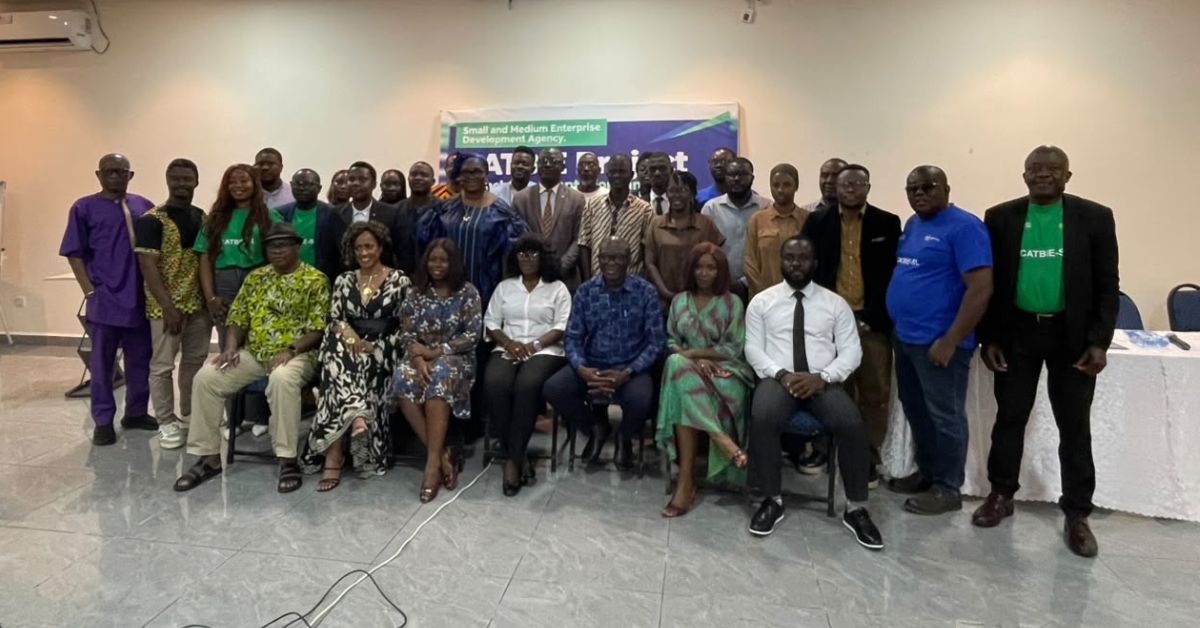
The Adaptation Innovation Technical Working Group (AITWG) was launched Thursday, October 29, 2026, at New Brookfields Hotel on Jomo Kenyatta Road in Freetown under the Climate Adaptation Technology, Business Model Innovation and Entrepreneurship in Sierra Leone (CATBIE) Project.
The initiative, supported by the United Nations Industrial Development Organization (UNIDO) and the Global Environment Facility (GEF), seeks to promote the development and commercialization of adaptation technologies, products and services across the water, energy and food sectors.

Speaking at the launch, UNIDO Country Representative Mariatu Swarray said climate adaptation should be treated not only as an environmental priority but also as an economic development opportunity.


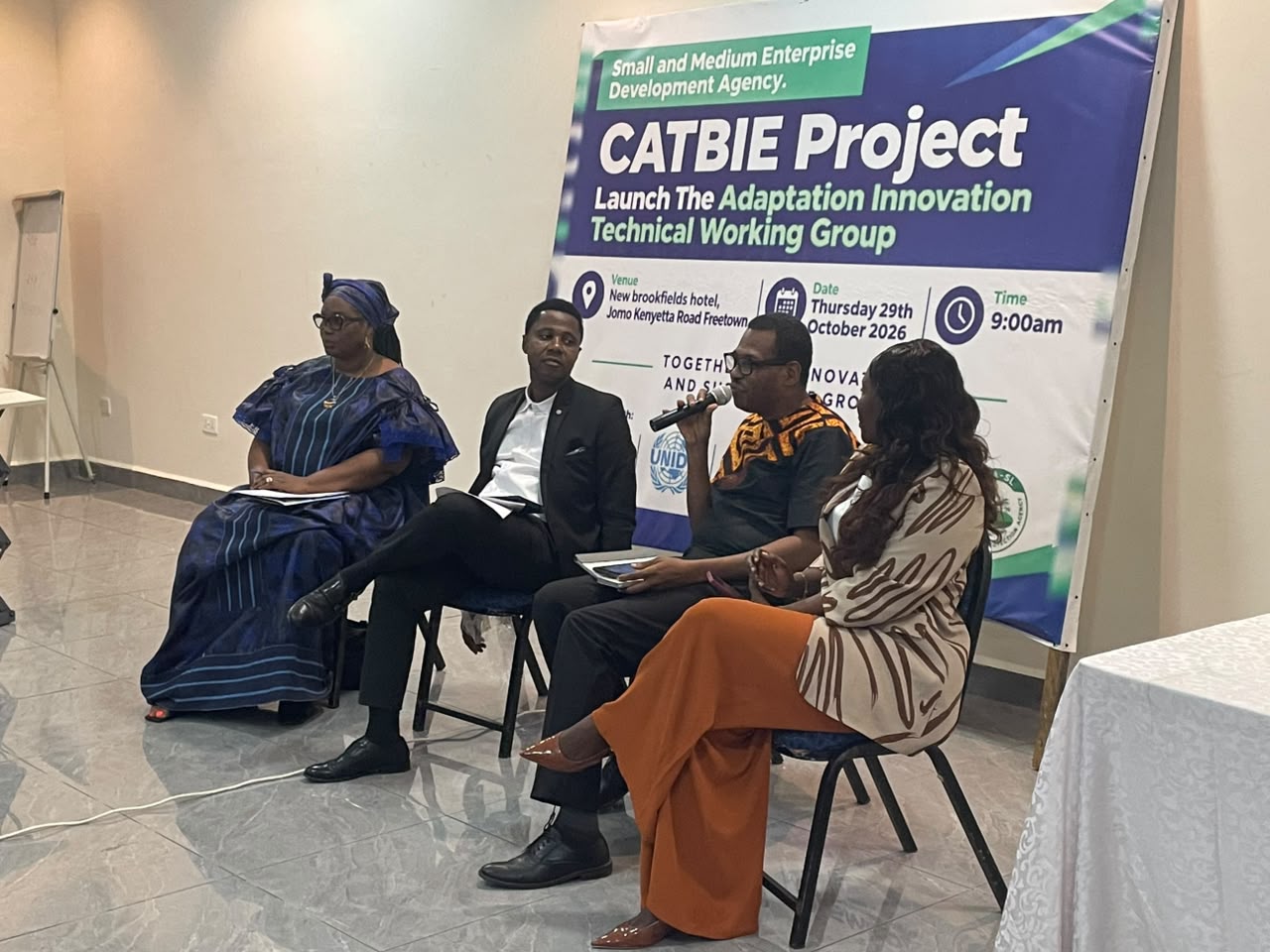
Swarray said climate change presents significant challenges to Sierra Leone’s productive sectors, livelihoods and businesses, particularly micro, small and medium-sized enterprises (MSMEs), which play an important role in employment creation, entrepreneurship and innovation.
She said the working group would provide a platform for government institutions, businesses, financial institutions, academic and research organizations, civil society and development partners to coordinate their efforts and develop practical responses to climate-related challenges.
Swarray also called for stronger partnerships, supportive policies, improved access to appropriate technologies and increased investment to help enterprises withstand climate shocks and remain competitive.
She urged stakeholders to make the working group a practical mechanism for delivering results rather than another forum for discussion.
According to Swarray, the group’s inaugural establishment workshop would focus on reviewing and validating its mandate and operational framework, agreeing on governance arrangements, clarifying responsibilities and developing a roadmap for its activities.
She said the initiative should help move Sierra Leone from climate adaptation planning toward investment, innovation and the wider deployment of locally relevant solutions, particularly in agriculture, water and energy.
Small and Medium Enterprises Development Agency (SMEDA) CEO and CATBIE National Project Director Shaka Samuel Sannoh also called for coordinated action to address the effects of climate change on businesses and communities.
In his opening address, Sannoh said climate change continues to threaten agriculture, water and energy systems, livelihoods and local economies, making practical, scalable and locally driven solutions necessary.
He described the AITWG as a multistakeholder platform for technical coordination, policy dialogue, knowledge sharing and stakeholder engagement in support of climate adaptation, technology deployment, entrepreneurship and investment.
Sannoh expressed appreciation to the government, UNIDO and GEF for supporting climate resilience, sustainable economic development and private sector growth.
He also welcomed participants on behalf of the CATBIE Project Steering Committee, which he said is led by the Environment Protection Agency Sierra Leone and co-chaired by the Office of the Presidential Initiative on Climate Change.
During the technical presentations, Abubakarr Sesay, representing the Ministry of Trade and Industry, outlined Sierra Leone’s vulnerability to climate change, highlighting flooding, coastal erosion, unpredictable rainfall, rising temperatures and heat stress.
He said these threats could undermine agriculture, water resources, infrastructure and public health, underscoring the need to integrate climate action into national development planning.
Sesay also discussed Sierra Leone’s commitments under the Paris Agreement, including its Nationally Determined Contributions (NDCs), which set out the country’s climate mitigation and adaptation priorities.
He explained that the country’s NDC 2.0, developed in 2021, reaffirmed its commitment to reducing greenhouse gas emissions and adapting to climate change through conditional and unconditional targets aligned with national development priorities.
The presentation also addressed NDC 3.0, which seeks to strengthen climate resilience, advance low-emission development and improve alignment between national climate ambitions, policies and financing.
Henry David Bayoh, a senior climate consultant and Green Climate Fund liaison officer representing the Environment Protection Agency Sierra Leone (EPA-SL), presented the institutional framework and development process for NDC 3.0.
Bayoh outlined the involvement of government institutions, civil society organizations, research institutions, academia, local communities, development partners and private sector representatives in climate policy coordination.
He said the development process included reviewing progress under NDC 2.0, identifying data gaps, incorporating national policies and scientific findings, updating greenhouse gas inventory data and validating proposed measures through sectoral technical working groups.
The process also involved consultations with ministries, departments and agencies, local councils, civil society, businesses, academic institutions, women, youth and development partners. Activities included district-level consultation workshops, rapid climate vulnerability assessments and validation sessions with technical working groups.
According to the presentation, NDC 3.0 includes 19 mitigation measures and 23 adaptation measures designed to address climate risks across key sectors.
Mitigation priorities include renewable energy, sustainable transport, forest management, waste management, energy efficiency and industrial innovation. The presentation also highlighted the importance of protecting forests and restoring degraded ecosystems to strengthen carbon sinks.
For adaptation, the proposed measures include climate-resilient agriculture, integrated watershed management, mangrove conservation and restoration, urban flood control, climate-resilient health systems, improved climate monitoring and early-warning systems.
The framework also incorporates education, youth engagement, gender equality, social protection and conflict sensitivity as cross-cutting priorities.
Bayoh’s presentation identified estimated climate financing requirements of $1.024 billion for mitigation and $1.97 billion for adaptation. It also highlighted plans for a national monitoring, reporting and verification framework, a climate finance roadmap and stronger coordination among government institutions.
The NDC 3.0 development process, as outlined during the presentation, emphasized the importance of reliable data, inclusive consultations, institutional coordination and alignment with national development priorities to improve implementation.
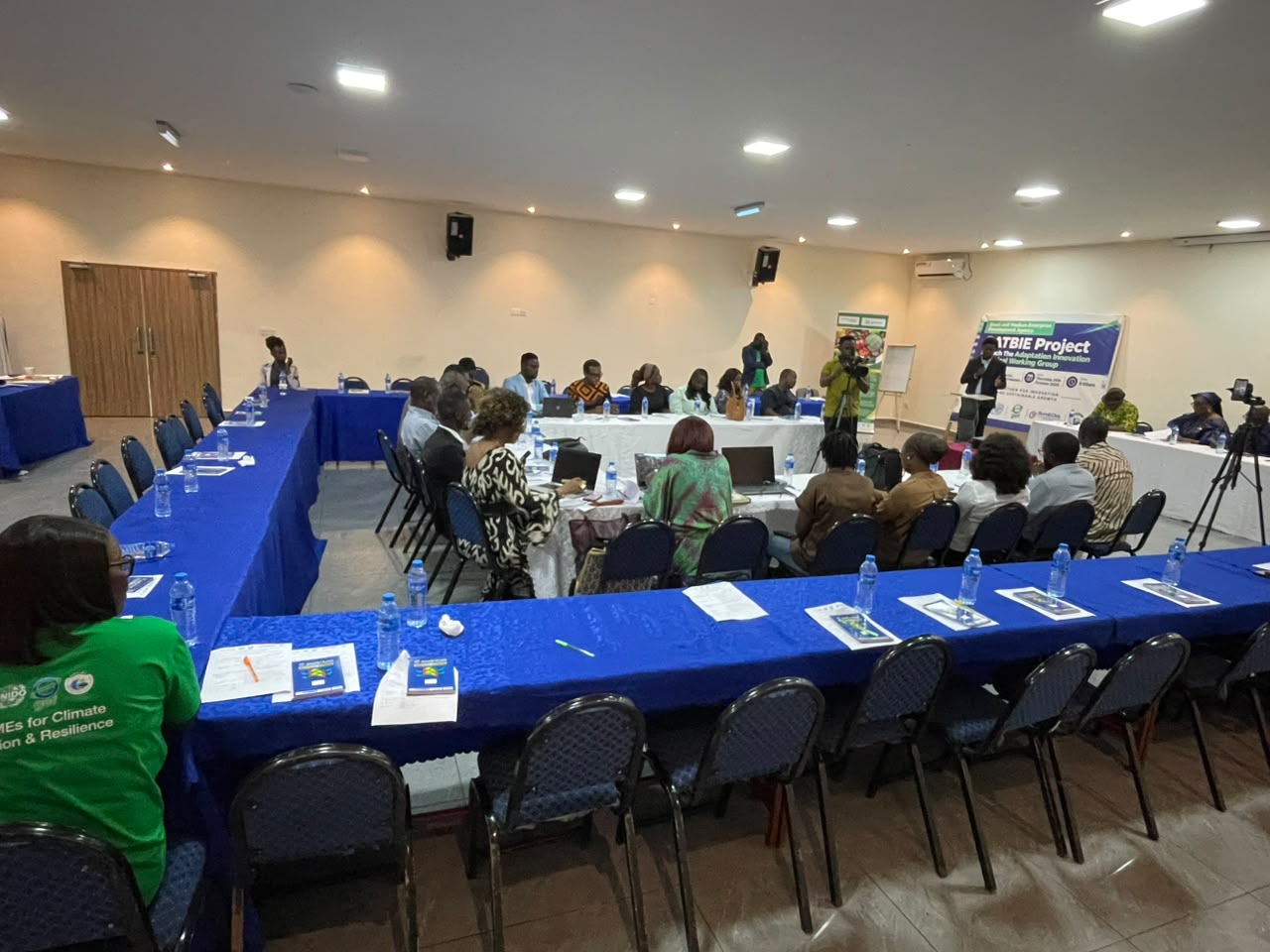
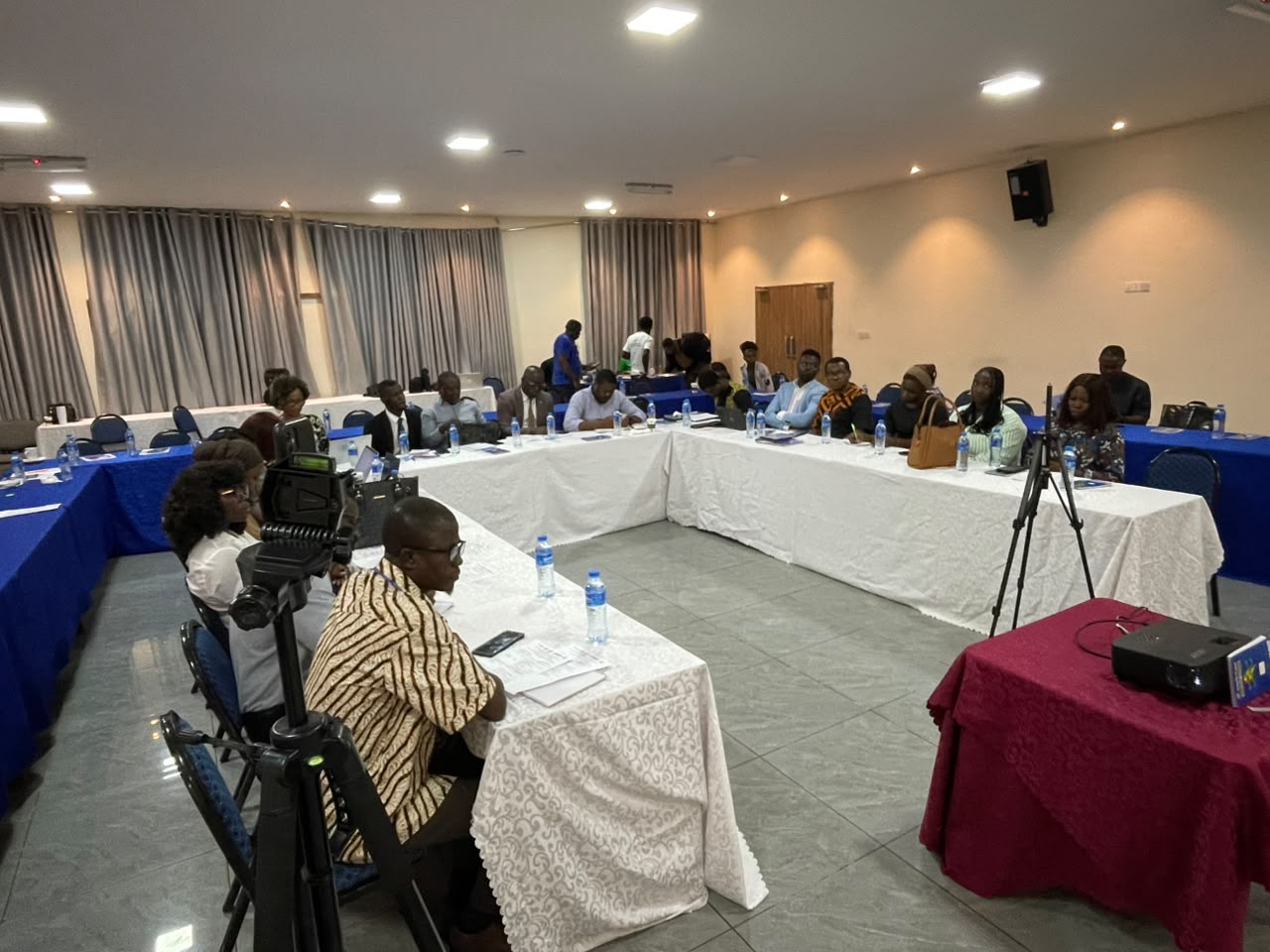
The launch concluded with a roundtable discussion that allowed participants to ask questions and exchange views on climate adaptation, institutional collaboration and the role of businesses and other stakeholders in delivering climate solutions.
The AITWG is expected to help connect innovators with investors, encourage private sector participation and support the wider adoption of climate adaptation technologies and services in Sierra Leone’s water, energy and food sectors.
Through the CATBIE Project, the initiative aims to create opportunities for local enterprises, strengthen climate resilience, support job creation and contribute to sustainable economic growth.