

Danabelsandy Launches Climate-Resilient Agriculture Project to Support 210 Farmers in Sierra Leone
 Sahid Bangura
 Danabelsandy Development Organisation has launched a community-led climate-resilient agriculture initiative aimed at supporting 210 farmers, strengthening rural livelihoods and promoting sustainable alternatives to environmentally damaging economic activities in Sierra Leone.
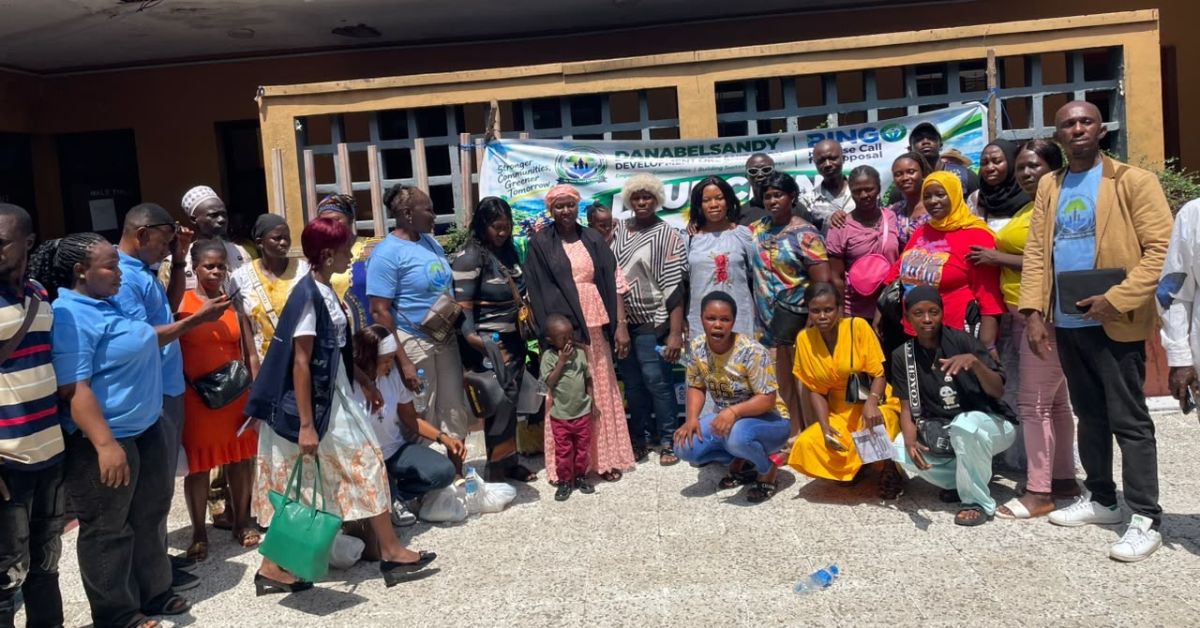
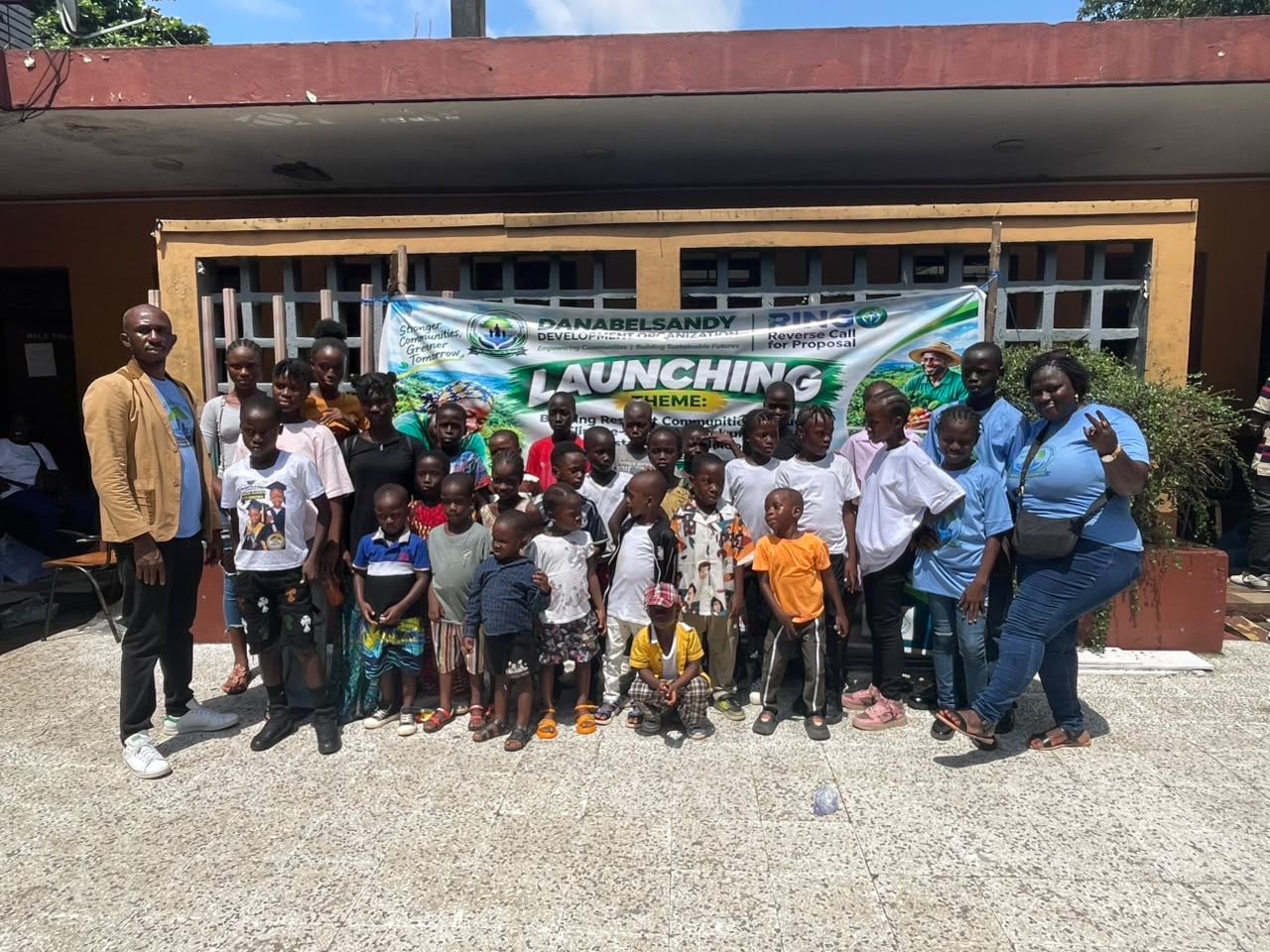
The Community-Led Climate-Resilient Agriculture in Sierra Leone Project, launched on Wednesday, 30 September 2026, at China House in Brookfields, Freetown, is being implemented under the RINGO Reverse Call for Proposals.
The launch brought together representatives of civil society organisations, agricultural institutions, development partners, farmers and community leaders to discuss locally led development, sustainable agriculture and strategies for strengthening communities’ resilience to climate change.




Speaking on behalf of the Executive director (Mrs Christiana Doe Jones) based in Australia, Rev AA Williams officially declared the project launched and outlined the importance of climate-resilient agriculture in strengthening food production and protecting farmers’ livelihoods.
Williams explained that climate-resilient agriculture involves farming approaches that enable agricultural systems to anticipate, adapt to and recover from climate-related challenges while protecting natural resources and supporting stable incomes for farmers.
He stressed the importance of combining local knowledge with sustainable farming practices to protect food production and improve communities’ ability to cope with extreme weather conditions.
Danabelsandy’s National Programme Manager also highlighted lessons from the RINGO learning process, particularly the need to move away from conventional development approaches towards partnerships based on local priorities, community ownership and shared decision-making.
According to the organisation, an earlier agricultural intervention implemented in mining-affected communities during 2024–2025 supported 25 beneficiaries, with women accounting for 60 percent of participants. The pilot provided indigenous seeds and basic farming tools to households that had relied heavily on artisanal mining.
The organisation said the intervention helped participating households transition towards climate-smart agriculture, improve food security and restore degraded farmland. The experience has now informed the planned expansion of the model to 210 farmers across 21 acres through seven community hub farms.
The expanded project will build on Danabelsandy’s relationships with paramount chiefs, farmers and market actors while focusing on agricultural skills, market access, food security and alternative livelihood opportunities.
The organisation also emphasised the importance of partnerships among government institutions, private-sector businesses, financial institutions, training centres, development partners and local communities. It said such partnerships could provide technical support, investment, technology, financing, market opportunities and local knowledge needed to strengthen the project.
Speaking at the launch, Madam Ruth Nenneh Conteh of the Liberating the Depressed Foundation (LDF) stressed the importance of meaningful community participation in development initiatives. She urged Danabelsandy and its partners to ensure that communities have a genuine role in project design, implementation, monitoring and evaluation.
Conteh said locally based organisations were often well positioned to understand community priorities because of their close relationships with residents. She maintained that successful locally led development should be measured not only by activities completed or beneficiaries reached, but also by improvements in community ownership, advocacy capacity and relationships between communities and institutions.
The National Federation of Farmers of Sierra Leone (NaFFSL) also welcomed the initiative and called for farmers and their organisations to be treated as active partners in agricultural development.
NaFFSL encouraged Danabelsandy to maintain continuous engagement with farmers throughout implementation, ensuring that their practical experiences and indigenous agricultural knowledge inform project decisions. It also called for stronger collaboration among farmer groups, government institutions, development partners, local organisations and private-sector actors.
The federation further encouraged stakeholders to document lessons, successes and challenges from the project to inform similar locally led agricultural initiatives across Sierra Leone.
Danabelsandy also outlined measures supporting the project, including a 90-day community mobilisation and trust-building process, staff with knowledge of local languages including Krio, Mende and Temne, and established networks involving the Ministry of Agriculture, Food Security and Nutrition, chiefdom committees, market queens and district councils.
The organisation said communities have already contributed to trust-building meetings, dialogues and free, prior and informed consent processes. They have also participated in identifying indigenous seeds, developing seasonal farming calendars, interpreting local climate indicators and mapping land for proposed agricultural activities.
The project has a proposed budget of US$268,441, with US$84,875 allocated to training and capacity building, US$71,553 for personnel, US$41,633 for agricultural inputs, and approximately US$27,755 each for livelihood activities and operations. Monitoring and evaluation has been allocated US$14,869.
Danabelsandy said the project seeks to demonstrate how community-driven agricultural initiatives can strengthen rural livelihoods, improve climate resilience and create sustainable economic opportunities for farmers and other vulnerable groups.
The launch concluded with calls for stronger community participation, equitable partnerships and greater recognition of local leadership in agricultural development across Sierra Leone.