

Sierra Leone launches digital jobs portal to break nepotism cycle in youth employment
The government of Sierra Leone has rolled out a national digital employment platform designed to sever the link between personal connections and job access, as officials confront systemic barriers that have long locked qualified young people out of the labour market.
The Youth Employment Portal, unveiled during International Youth Day celebrations on Aug. 12 at the Julius Maada Bio International Conference Centre in Lungi, allows young Sierra Leoneans to create professional profiles, showcase certifications, search for vacancies and apply directly to employers. Employers, in turn, can advertise openings and identify candidates based on skills rather than networks.
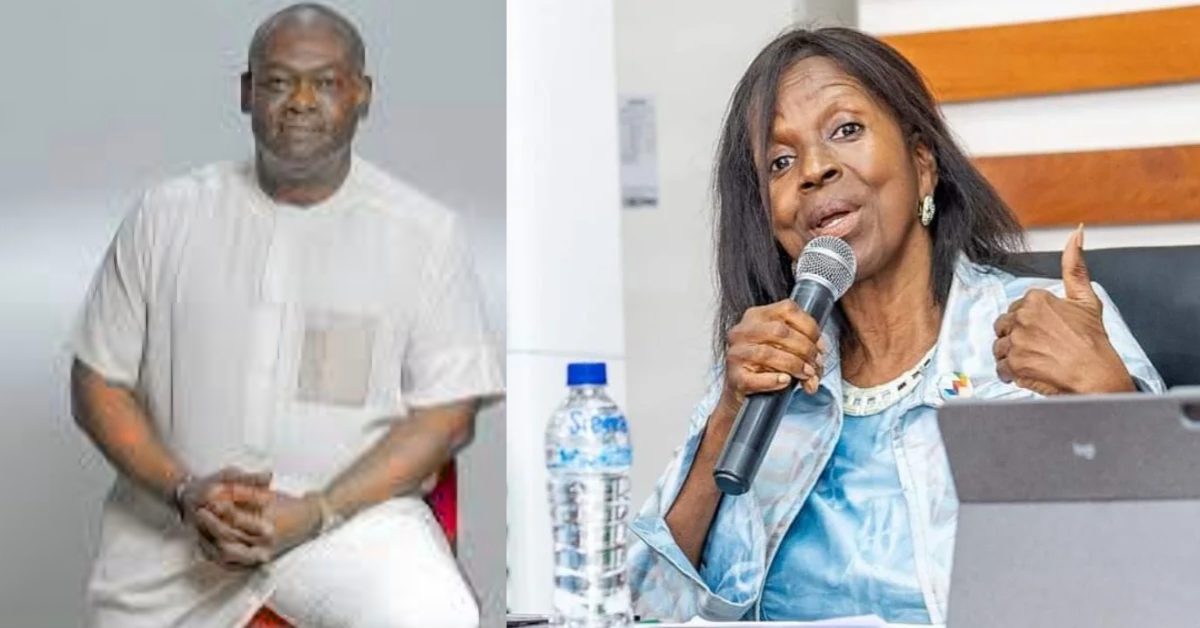
“Opportunity should not depend primarily on who you know,” Minister of Planning and Economic Development Kenyeh Barlay said in her keynote address delivered on behalf of Vice President Dr Mohamed Juldeh Jalloh. “It should increasingly depend on what you can do, what you can contribute, and whether you are prepared to compete.”

The portal, developed by the Ministry of Youth Affairs with World Bank support under the PSSNYE Project, aims to solve a core problem in Sierra Leone’s labour market: lack of access to information about available opportunities. Barlay called on private-sector employers, government institutions and development partners to actively use the platform, urging young people to register and maintain credible profiles.



The International Youth Day commemoration, held under the national theme “Harnessing Youth Innovation and Resilience for National Transformation,” also featured the formal launch of the Roadmap for the Development of Sierra Leone’s National Action Plan on Youth, Peace and Security. Barlay described the roadmap as a critical framework for ensuring young people become active partners in building and sustaining peace, not merely beneficiaries.
“Peace is not an inheritance one generation can simply hand to another — every generation must protect it, deepen it and renew it,” Barlay said.
Permanent Secretary of the Ministry of Youth Affairs, Dr Phillip D. Kargbo, said the country must stop viewing young people solely as future leaders and start recognising them as active contributors to national development today. He cited unemployment, limited access to finance, skills gaps and unequal educational opportunities as challenges requiring the government to move beyond designing programmes and instead create platforms where young people participate in shaping solutions.
United Nations Resident Coordinator Seraphine Wakana commended the government for placing youth employment and human capital development at the centre of its priorities, while stressing that more work remains to create decent jobs at scale.
Barlay underscored that the government’s commitment would be measured by tangible outcomes. “Our commitment to young people will not be judged by the number of programmes we announce or platforms we launch,” she said. “It will be judged by whether a qualified young person can find opportunity without depending exclusively on personal connections.”
The celebration also featured a Creative Economy Talent Exposition showcasing 100 youth-led businesses in fashion, arts and music, alongside the certification of 1,200 youth bike riders trained in alternative livelihoods.
The link to the platform please
I need the job portal please thank you