

Supreme Court Decision Could Shape Future Constitutional Cases, Thomas Moore Conteh Says
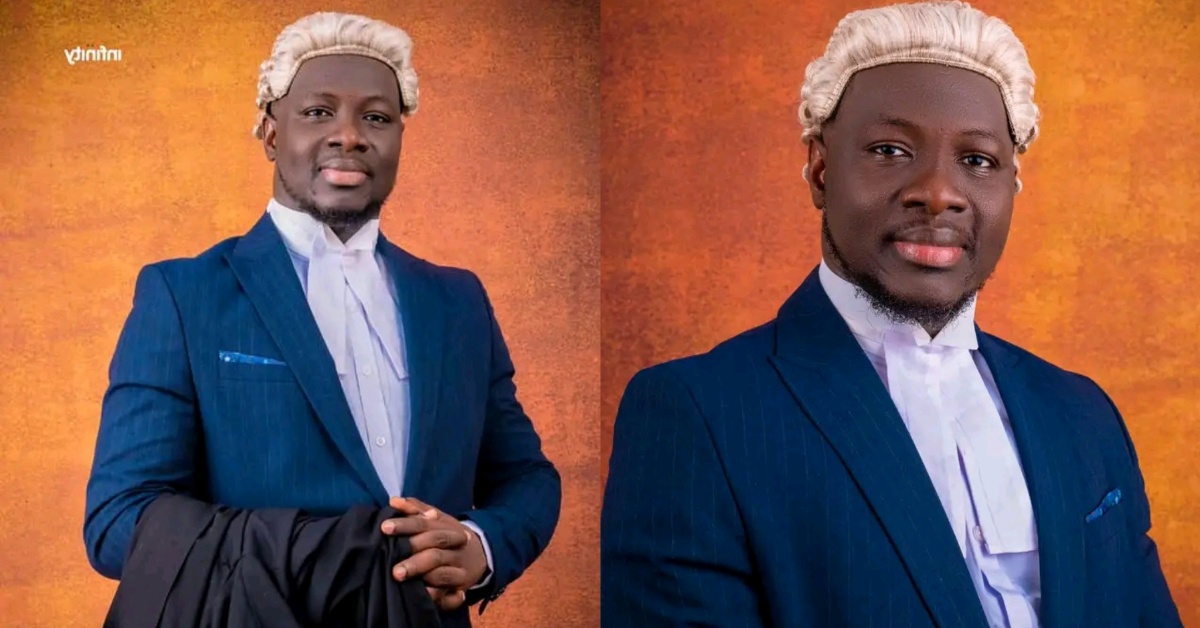
Lawyer Thomas Moore Conteh says the Supreme Court’s decision on the constitutional amendment dispute could become a lasting legal reference for future generations.
Conteh made the remarks Wednesday during an interview at the Supreme Court on the first day of proceedings concerning the Constitution of Sierra Leone (Amendment) Bill, 2025.
He said the applicants turned to the judiciary because they believe questions over Parliament’s compliance with constitutional requirements should be determined through the courts.

Conteh and fellow lawyer Tamba Kellie filed one of the cases before the Supreme Court, seeking interpretation of the constitutional requirements governing the passage of an amendment. The application was filed in their individual capacities.

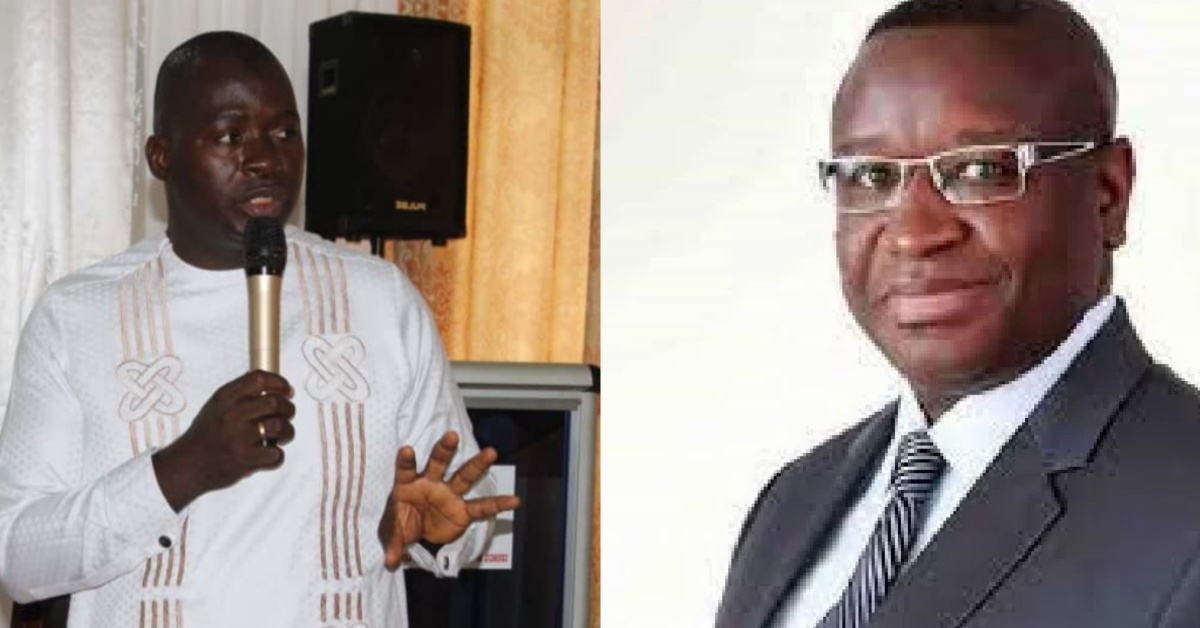

The dispute includes questions about the voting threshold and procedure required under Section 108 of the 1991 Constitution. The applicants argue that Parliament did not meet the constitutional requirements when it purportedly passed the amendment Bill on Aug. 10.
Conteh said the applicants deliberately chose legal action so that the Supreme Court could hear arguments from the parties and determine whether Parliament acted within the Constitution.
The first sitting on Oct. 7 focused largely on preliminary matters rather than the substantive constitutional questions.
The court dealt with objections concerning the participation of the Attorney-General and applications seeking to bring related constitutional cases together. The court later overruled an objection to the consolidation application, while making clear that the ruling did not resolve the substantive issues surrounding the amendment Bill.
Conteh said the significance of the proceedings extends beyond the parties currently before the court.
He said the eventual judgment, regardless of which side it favours, could provide a judicial precedent for future courts and lawyers confronted with similar constitutional disputes.
The Supreme Court’s determination could therefore clarify how constitutional amendment procedures should be interpreted and applied in future cases.
The court had not determined the substantive constitutional questions at the close of the first sitting. Proceedings were adjourned for continuation on Oct. 8.