

9 Sierra Leoneans Featured on US ‘Worst of the Worst’ List
 Ben Bassey
 Nine Sierra Leoneans now appear on the “US Worst of the Worst” list, compared to 26 in June 2026. The database, maintained by U.S. Immigration and Customs Enforcement (ICE), publicly identifies non-citizens with serious criminal records who are subject to removal proceedings.
The website, accessible at wow.dhs.gov, was launched in December 2025 as part of intensified immigration enforcement under the Trump administration. Each entry includes a photograph and details of criminal charges or convictions, with DHS describing those listed as among the most serious criminal offenders subject to immigration enforcement.
Nigeria leads the West African region with 134 individuals on the list, followed by Liberia with 111 and Ghana with 44. Other countries include Cape Verde (26), Senegal (22), Côte d’Ivoire and The Gambia (15 each), Mauritania (12), Burkina Faso and Niger (10 each), Sierra Leone (9), Togo (7), Guinea (6), Mali (5), and Guinea-Bissau and Benin (1 each).

Earlier Sierra Leone entries included allegations of homicide, burglary, domestic violence, sexual offences, rape, kidnapping, armed robbery, fraud, forgery, drug trafficking, identity theft and assault on police officers. Specific names previously reported included Mariama Kanu (homicide and burglary, arrested in Minneapolis), Hassan Jalloh (domestic violence and abduction, Lebanon, Ohio), and Salifu Kanu (sex offence, Alden, New York).
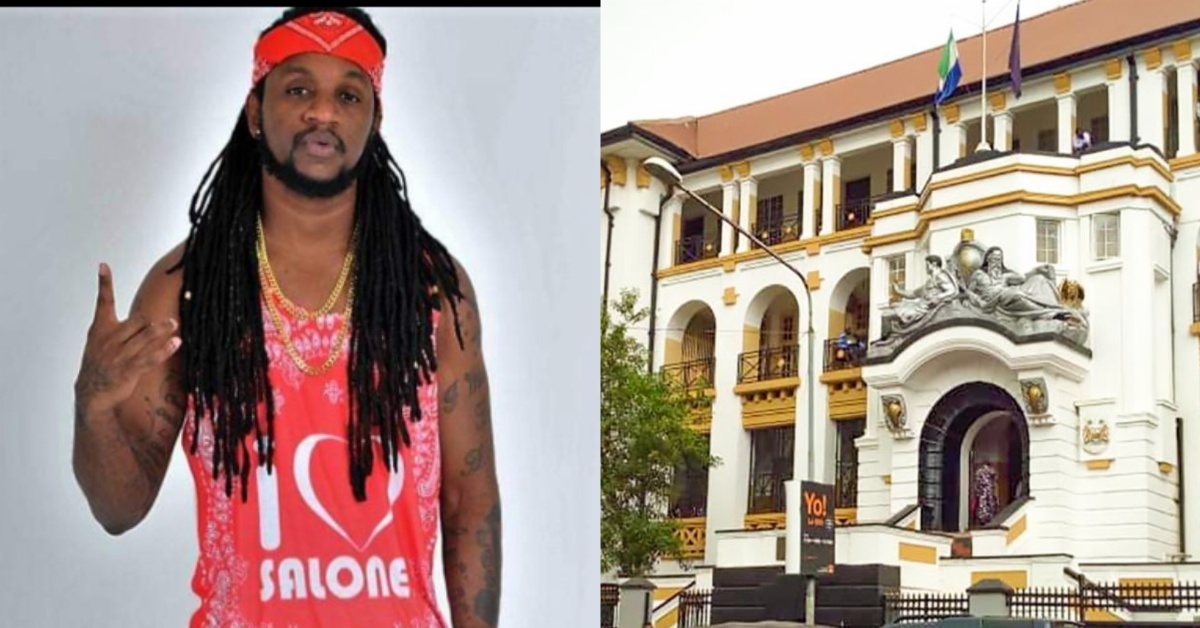
The updated database comes against the backdrop of a broader migration agreement between the United States and Sierra Leone. In early 2026, Sierra Leone agreed to accept third-country deportees from the U.S., with the arrangement allowing for up to 300 ECOWAS nationals per year, capped at 25 per month. The deal is supported by a $1.5 million grant from the U.S. government.
The first flight arrived in Freetown in May 2026 carrying nine West African migrants from Ghana, Guinea, Senegal and Nigeria. Additional transfers followed in subsequent months. Sierra Leone has also faced a U.S. entry suspension for its nationals, cited by Washington over identity-management issues and prior cooperation on deportations.
The overall “Worst of the Worst” site has grown substantially through multiple updates, with DHS adding thousands of entries at a time. DHS describes the database as a public record of non-citizens with criminal records who have been arrested by ICE and are subject to removal proceedings.
Worst of the worst. Is sitting at the white house. Then they are accusing Africa of worst criminals. And the AU can’t even say a word. It is time we as Africa tell the west they are criminals just like the rest of the world. Even more.