

Artificial Intelligence: President Bio Warns African Leaders Against Repeating Past Mistakes
 Deborah Sorie
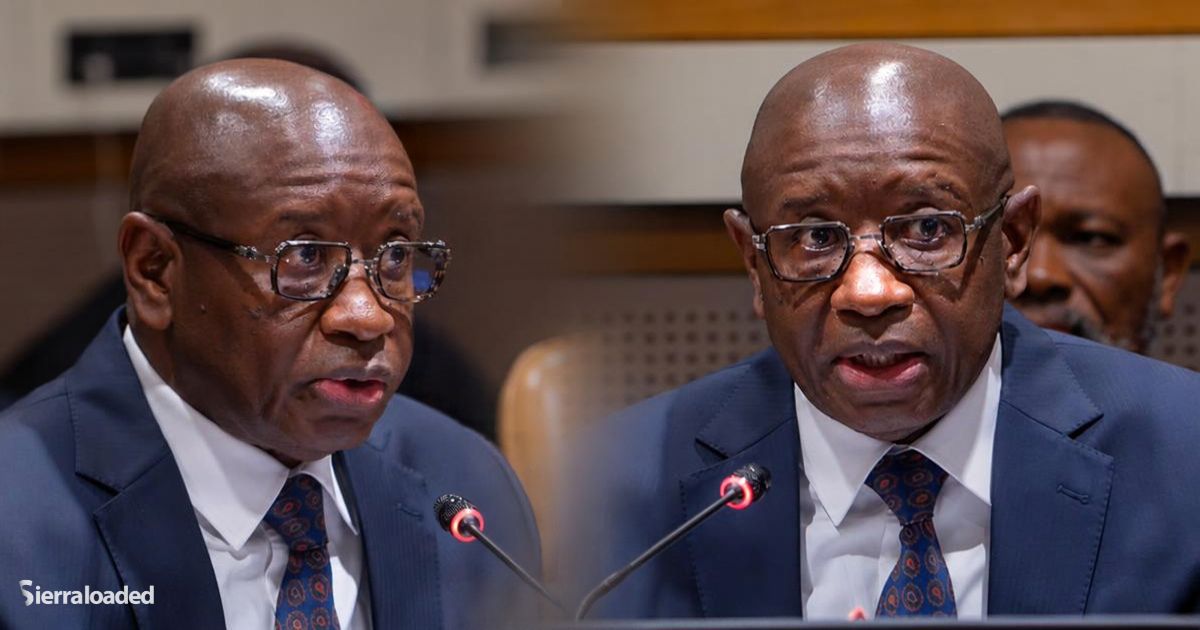
 Sierra Leone’s President, Dr. Julius Maada Bio has warned African countries against repeating historical economic patterns in the emerging artificial intelligence (AI) era, urging the continent to play a greater role in developing, governing and benefiting from technologies that will increasingly shape the global economy.
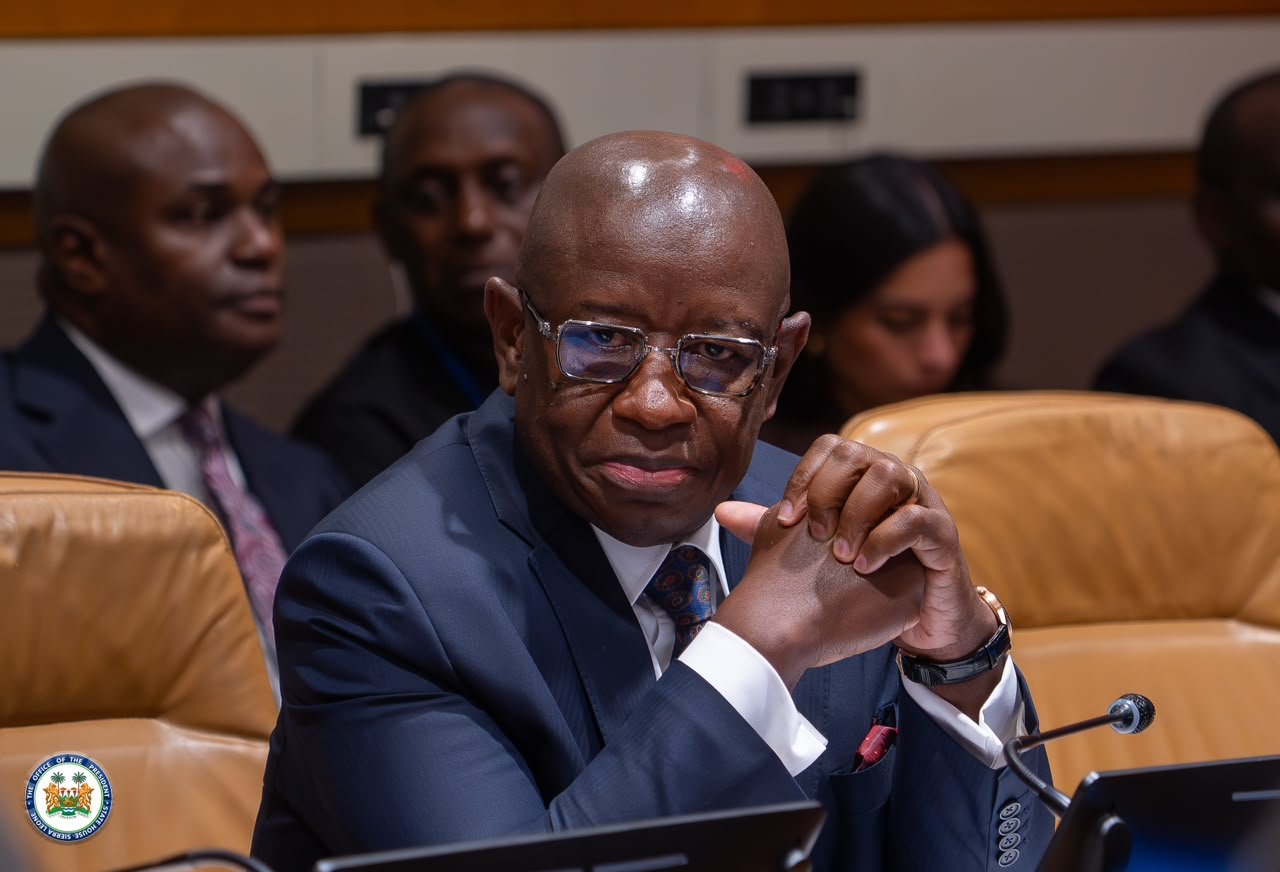
President Bio made the statement on Monday at a high-level roundtable on Artificial Intelligence convened by Kenyan President William Ruto on the margins of the 80th United Nations General Assembly in New York.
Addressing Heads of State and Government and other distinguished participants, President Bio posed a fundamental question about Africa’s place in the AI revolution: whether the continent would simply consume technologies developed elsewhere or take a meaningful role in building and governing them.

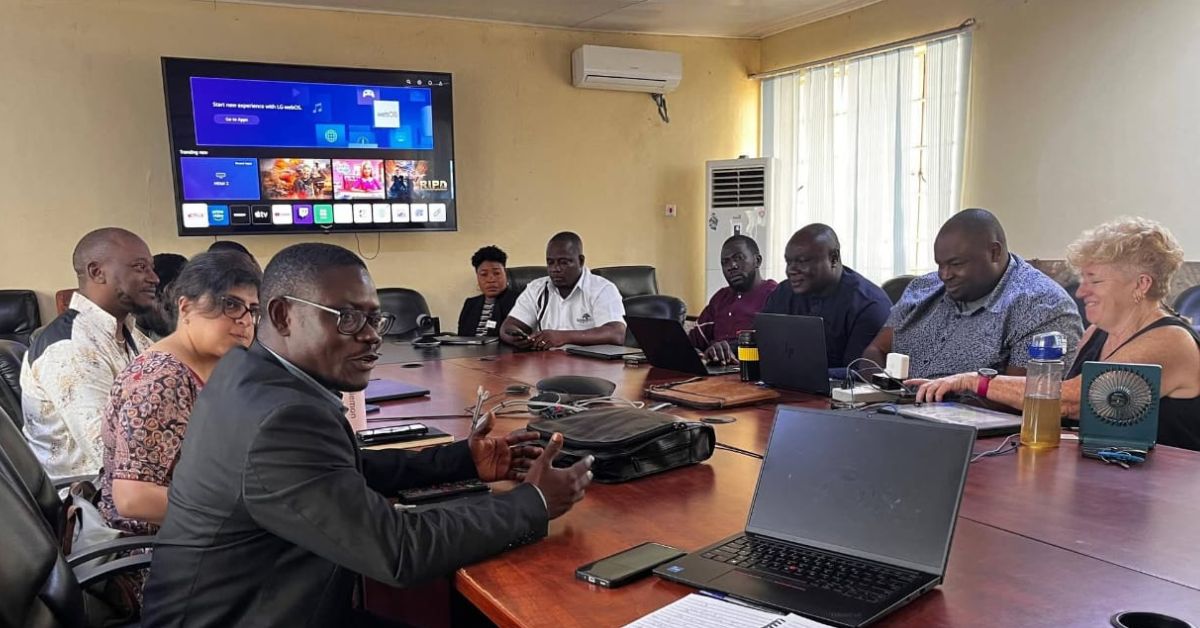
He noted that while no African country could build the entire AI ecosystem alone, the continent should not accept a future in which its infrastructure, models, data and the rules governing AI are largely determined elsewhere.
“We have another choice. We can build what we can build ourselves, work together where scale is necessary, protect what is sovereign, and engage the rest of the world on terms that reflect our interests,” he said.
President Bio described this approach as “shared sovereignty”, arguing that African countries could achieve greater capacity and resilience by cooperating in areas where scale is necessary while retaining control over matters of national interest.
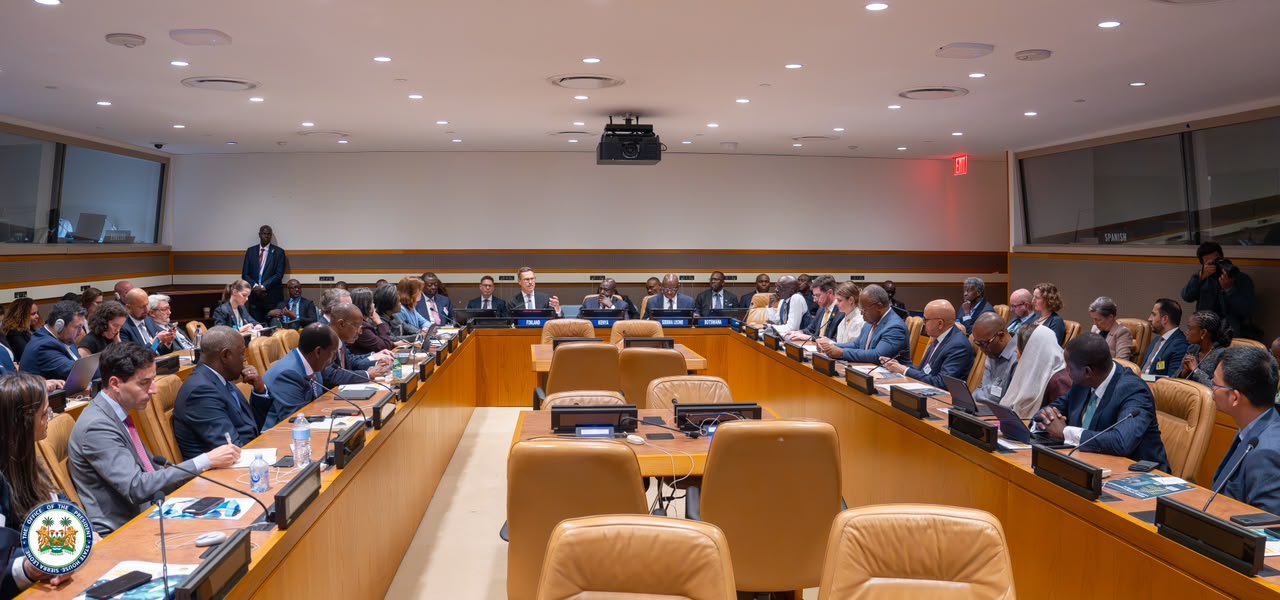
He pointed to the continent’s significant infrastructure gap, noting that Africa is home to roughly one-fifth of humanity but accounts for only a fraction of global data-centre capacity.
For Sierra Leone, President Bio said the country is developing its first national AI strategy with support from the World Bank Group and is conscious of the realities from which it is starting, including limited internet access, particularly outside urban centres.
He stressed that Sierra Leone’s AI solutions must be adapted to local realities and should work on mobile devices, function in low-bandwidth environments, understand African languages and contexts, and ultimately improve people’s lives.
“For me, that is the real test. Can a farmer get better information about his crops? Can a health worker make a better-informed decision? Can a teacher use these tools to help a child learn? Can a citizen access a public service more easily?” President Bio asked.
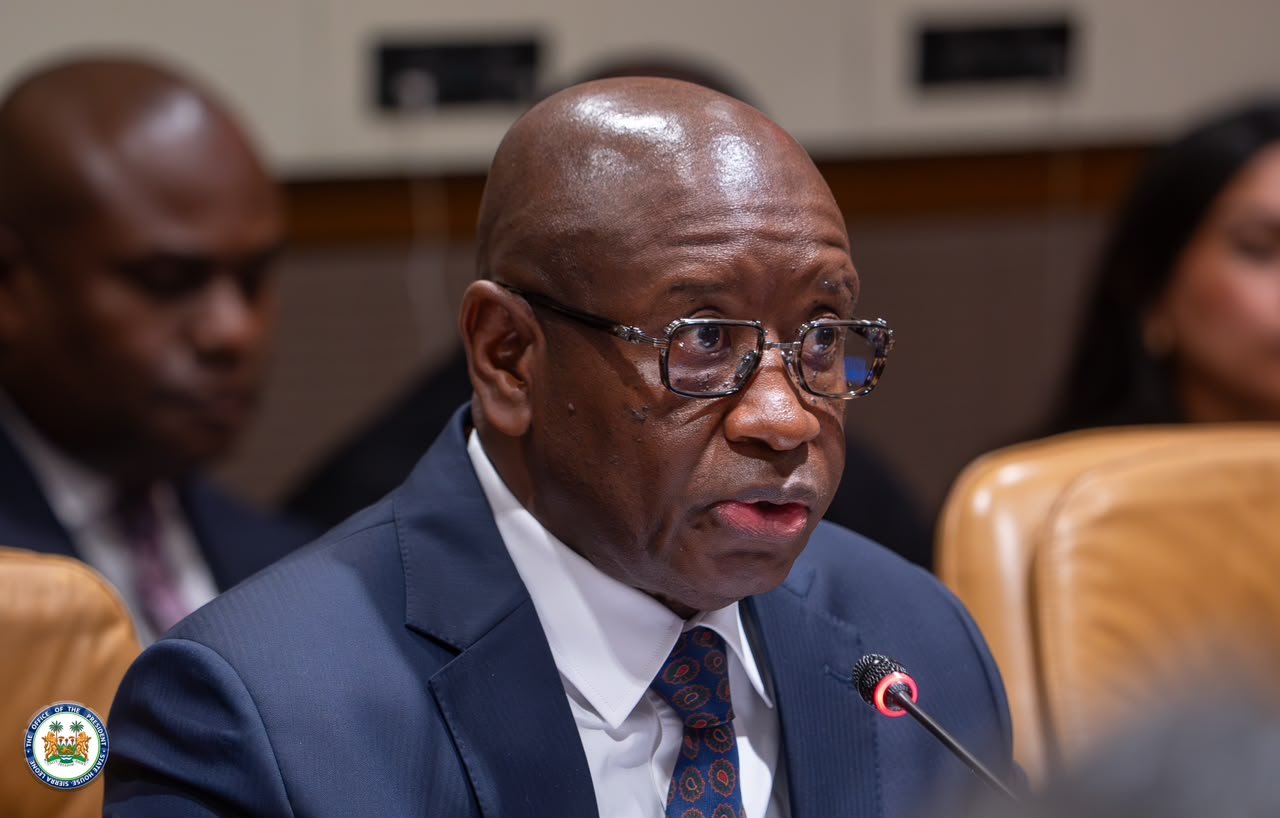
He further called for innovative approaches to digital infrastructure, particularly for smaller economies, arguing that countries should consider properly governed regional infrastructure where this can provide greater security, resilience and capacity.
President Bio disclosed that Sierra Leone has been exploring the concept of regional data embassies, under which a country could host critical public data in another participating State while retaining clearly defined legal jurisdiction and control over that data.
“The principle is simple: sovereignty should travel with the law, not simply with the building,” he said.
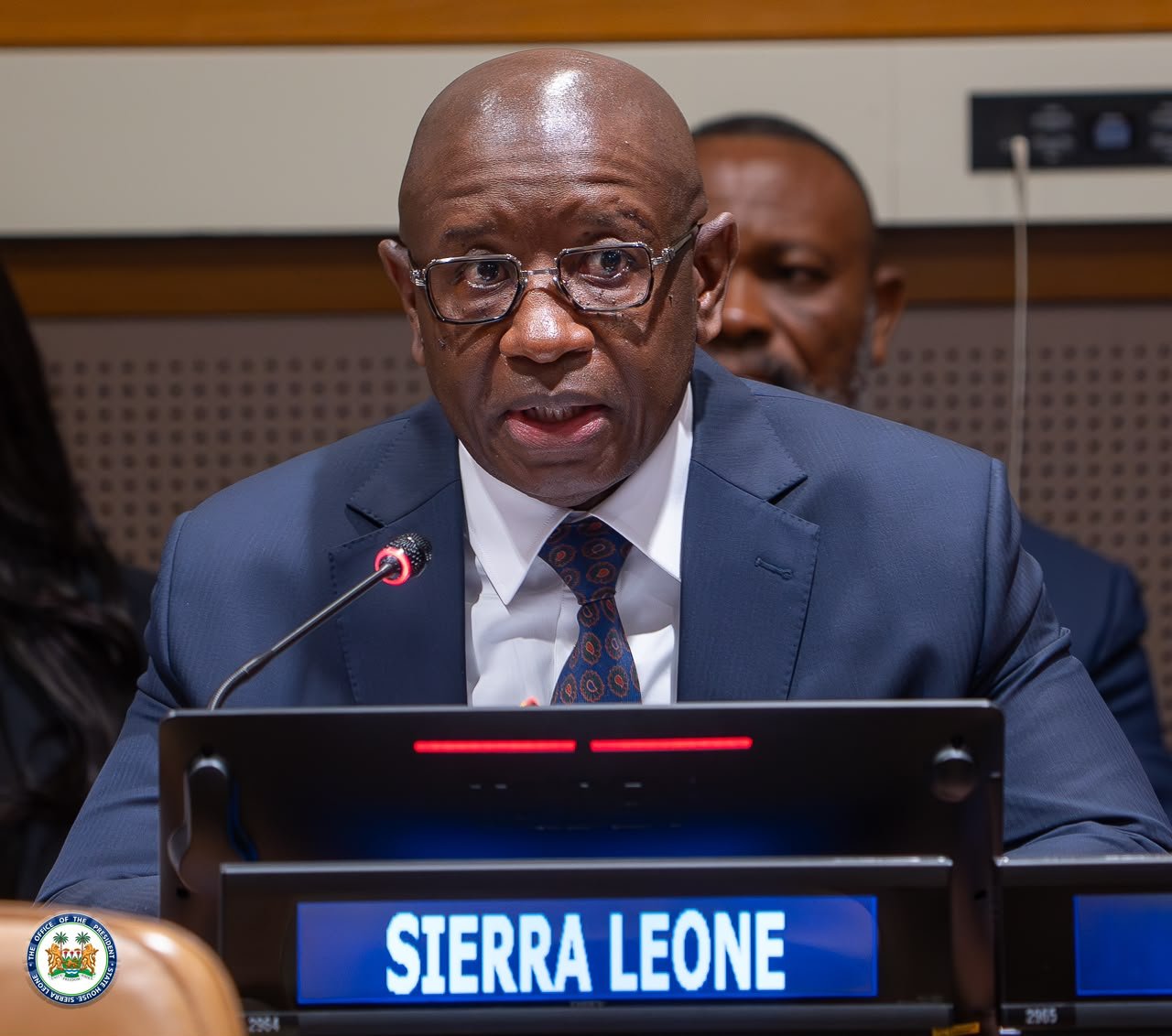
Turning to the economic implications of AI, President Bio warned that Africa must avoid reproducing the extractive patterns associated with previous economic eras.
“For generations, we have exported raw materials and imported much of the value created from them. We should be careful not to do the same thing with data,” he said.
He observed that Africa’s minerals would help power the infrastructure on which AI depends, while African people would generate data from which AI systems learn. He therefore called for greater investment in African talent, research institutions, languages, datasets and innovation ecosystems, alongside strong protection for citizens’ privacy and rights.