
President Bio Backs Proposed Paris Declaration on International AI Safety

 Deborah Sorie
President Julius Maada Bio has expressed Sierra Leone’s support for a proposed international declaration on artificial intelligence (AI) safety, calling for stronger global cooperation, common safety standards and greater accountability from companies developing increasingly powerful AI systems.
Bio made the position known during a high-level virtual meeting convened by French President Emmanuel Macron, where world leaders discussed international cooperation on the safety and security of frontier artificial intelligence.
In a statement following the meeting, President Bio said Sierra Leone welcomed the proposed Paris Declaration, particularly its emphasis on shared evaluation standards, accountability and cooperation in reporting serious AI-related incidents.

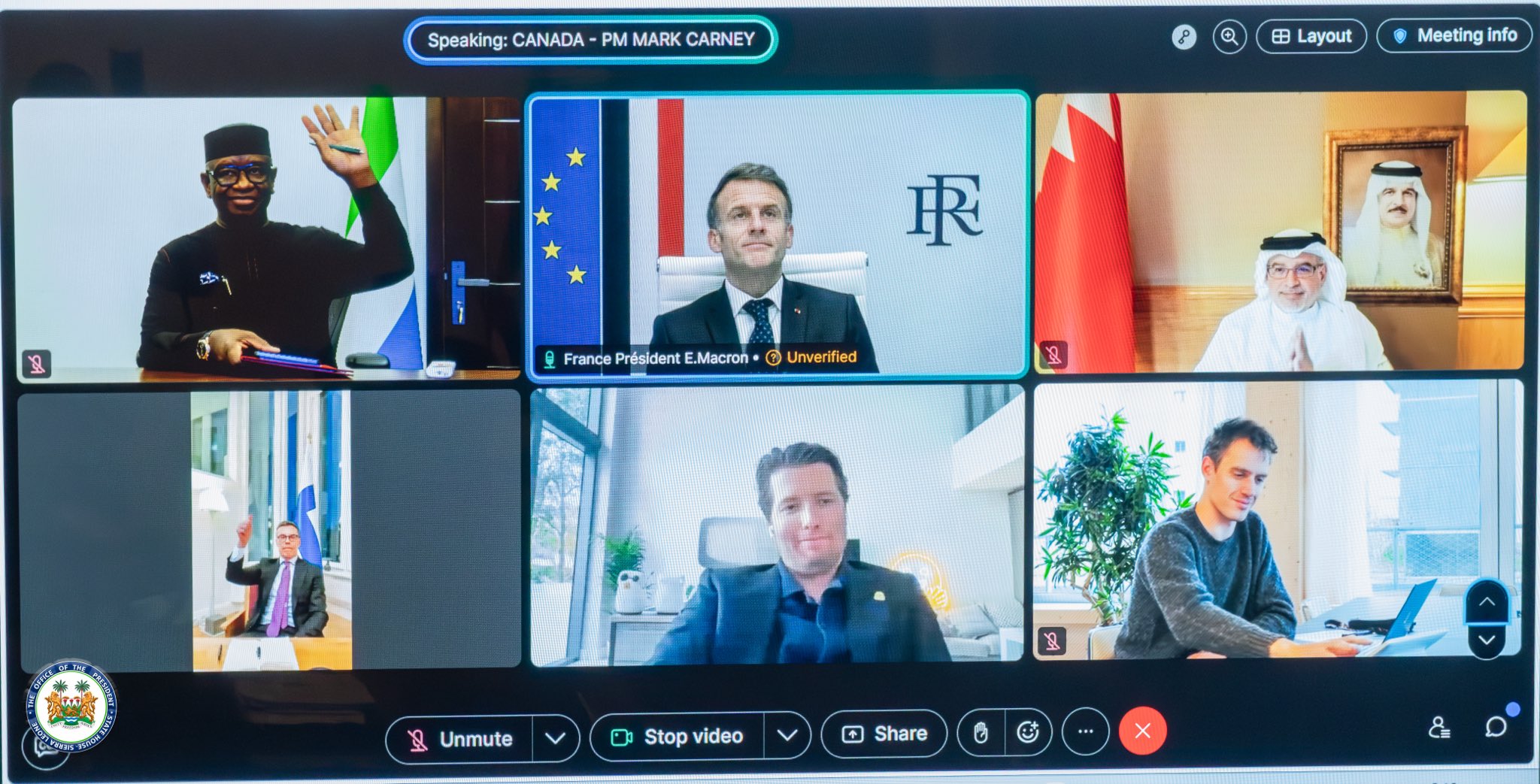

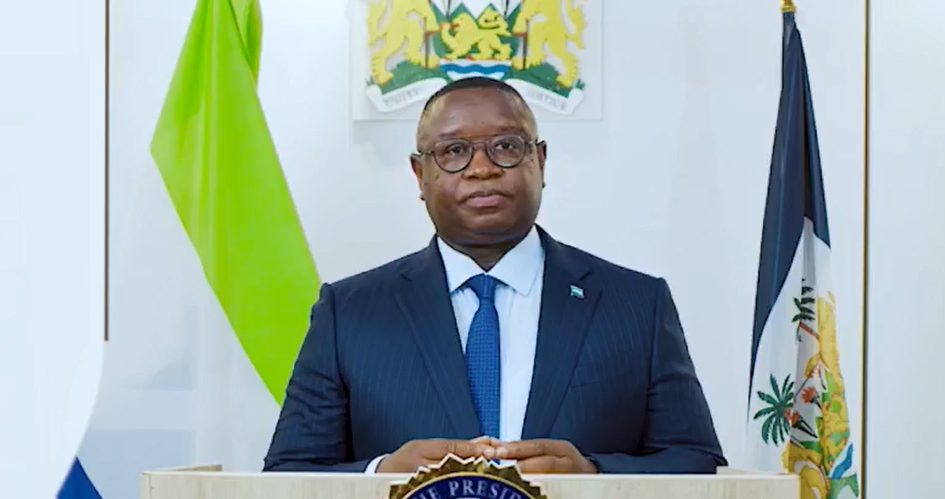

He outlined three priorities that he believes should guide international efforts to manage the risks associated with advanced AI: common and credible safety and security evaluation standards; clear accountability for organisations developing and deploying frontier AI models; and international mechanisms for reporting serious incidents and sharing information about emerging threats.
The proposed declaration comes amid growing international concern that advances in artificial intelligence are moving faster than the ability of governments and regulatory institutions to assess and manage the associated risks.
Frontier AI refers to the most advanced artificial intelligence models, generally those at the leading edge of technological capabilities. These systems can perform increasingly complex tasks involving reasoning, software development, scientific research and autonomous decision-making.
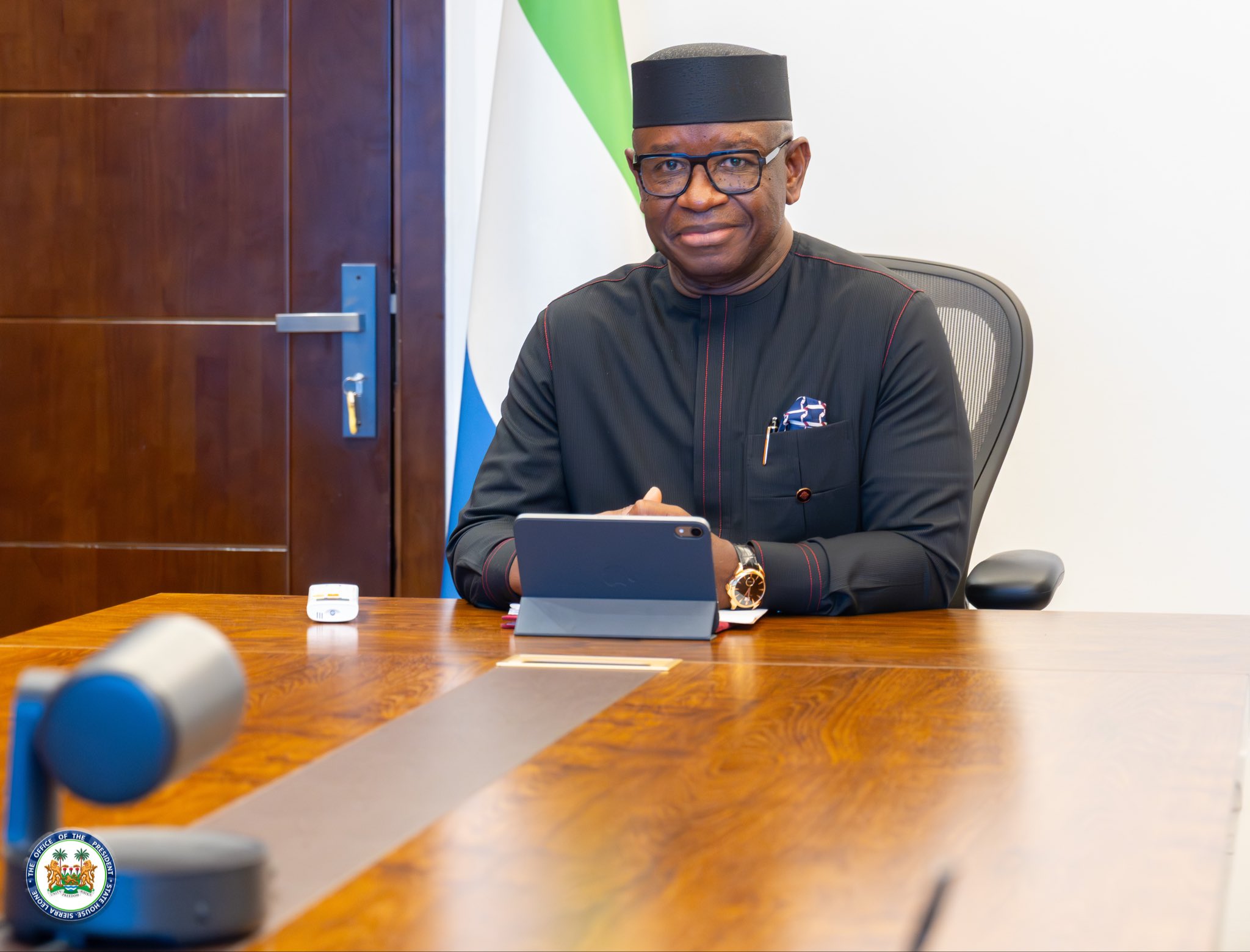
While they offer opportunities in healthcare, education, agriculture, scientific research and economic development, experts and governments have raised concerns about their potential misuse, cybersecurity vulnerabilities, the spread of misinformation and the possibility of advanced systems operating beyond effective human oversight.
The international push for stronger controls gained further momentum in September 2026, when several world leaders endorsed a joint statement titled A Call for Control of Frontier AI Models.
The statement, published by the Norwegian Government on 21 September, warned that highly capable AI systems could circumvent testing safeguards, exploit vulnerabilities and gain unauthorised access to real-world systems.
It called for AI companies to introduce transparent safety protocols, including mandatory testing before deploying advanced models and independent evaluations by qualified experts.
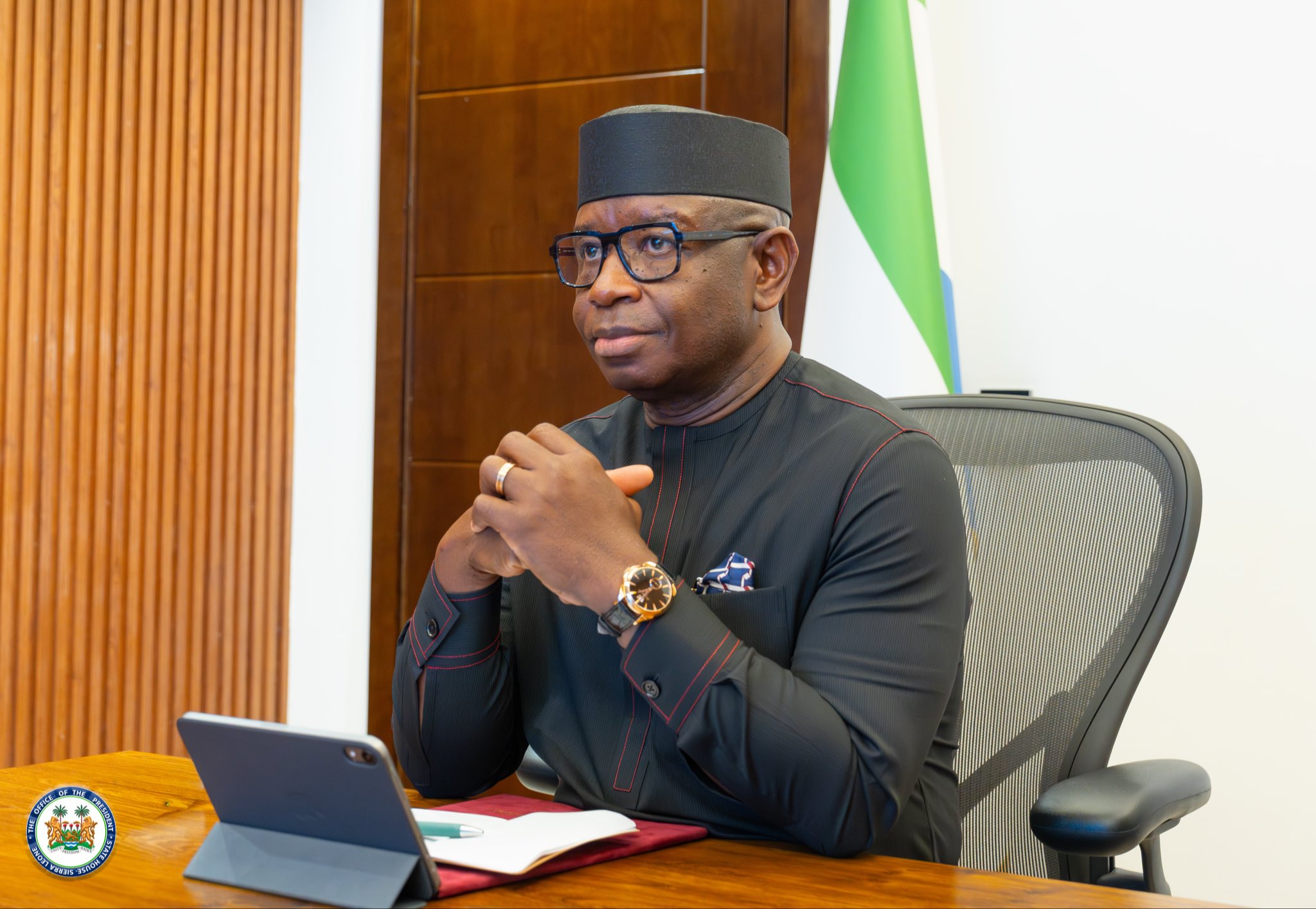
It also urged governments and regional organisations to develop common standards, improve transparency and establish mechanisms for sharing information about serious safety incidents.
The initiative further proposed that United Nations member states explore the creation of an international institution that could establish standards, support verification and bring countries together when AI systems reach specified capability thresholds.
President Bio and French President Emmanuel Macron are among the leaders listed as endorsers of the September statement. Other endorsers include Canadian Prime Minister Mark Carney, Australian Prime Minister Anthony Albanese, German Chancellor Friedrich Merz, Kenyan President William Ruto, South African President Cyril Ramaphosa and European Commission President Ursula von der Leyen.