

Electronic Payments And Digital Reforms Take Centre Stage in Proposed New Finance Law
 Alusine Ahmed Kargbo
 Sierra Leone’s Finance Ministry is using consultations on a new public finance law to push digital reforms and strengthen oversight, officials said at a stakeholder meeting in Freetown.
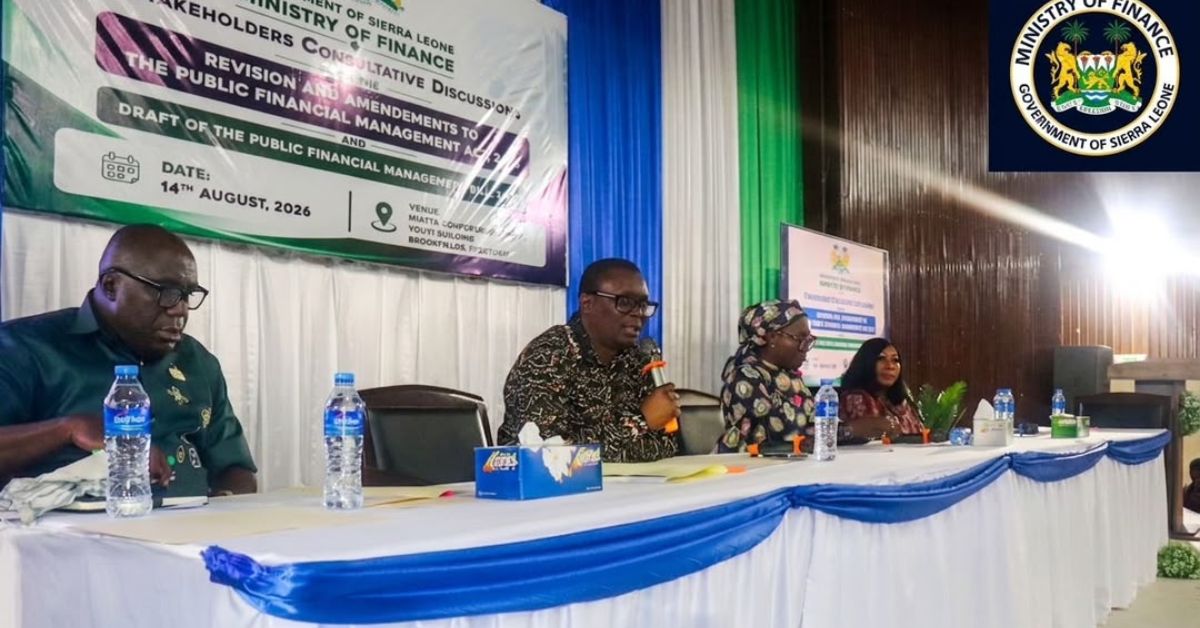
The session, held on Friday at the Miatta Conference Centre in Brookfields, brought together senior civil servants, local council administrators, state enterprise leaders, and civil society representatives. It forms part of a broader review of the country’s Public Financial Management framework, according to the Ministry of Finance.
Financial Secretary Matthew Dingie told participants that the proposed Public Financial Management (PFM) Act, 2026, aims to address gaps in the 2016 law by introducing stricter rules on accountability and resource mobilization. He said the review also responds to evolving demands in how public funds are planned and managed.

Dingie added that the consultations align with requirements tied to World Bank-supported programs, which he said are linked to the release of funding for key development priorities. He urged officials responsible for managing government budgets to scrutinize the draft law and share operational challenges.


He also pointed to weak enforcement of audit recommendations under the current law, saying the new bill seeks to address this shortcoming.
Acting Finance Minister Kadiatu Allie, delivering the keynote address, emphasized that reforms are needed to improve fiscal discipline and long-term sustainability. Drawing on implementation experience since 2016, she said the updated framework would reflect both institutional realities and new policy priorities.
Allie highlighted proposed measures including stronger medium-term fiscal planning, expanded controls on government spending commitments, and tighter oversight of state-owned enterprises. She said the bill also introduces legal backing for climate finance and carbon revenue, alongside provisions recognizing digital payment systems in public finance.
The draft further requires policymakers to assess the fiscal impact of new laws and policies before adoption.
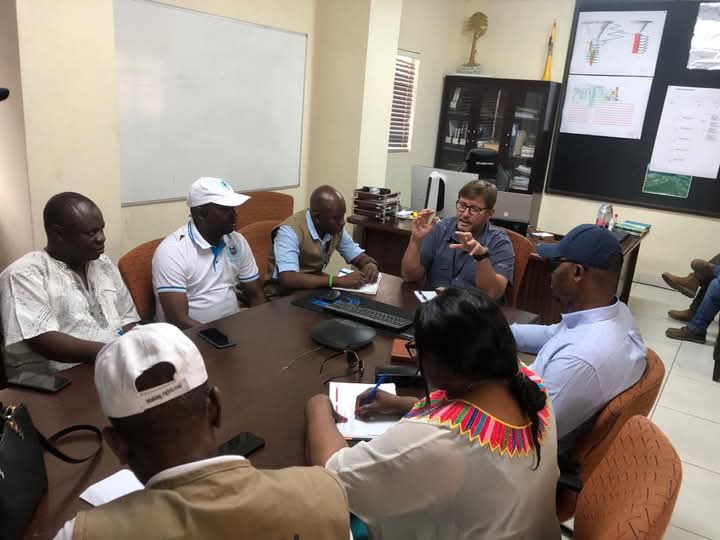
Participants were encouraged to test the proposals against their day-to-day responsibilities and capacity constraints. The Ministry’s legal team presented detailed amendments during the session, followed by questions and discussions.
Officials said feedback from the consultations will inform revisions before the bill proceeds to the legislative process.