
“Hands Off Our Girls”: First Lady Fatima Bio to Table UN Resolution on Child Marriage
 Kanja Sesay
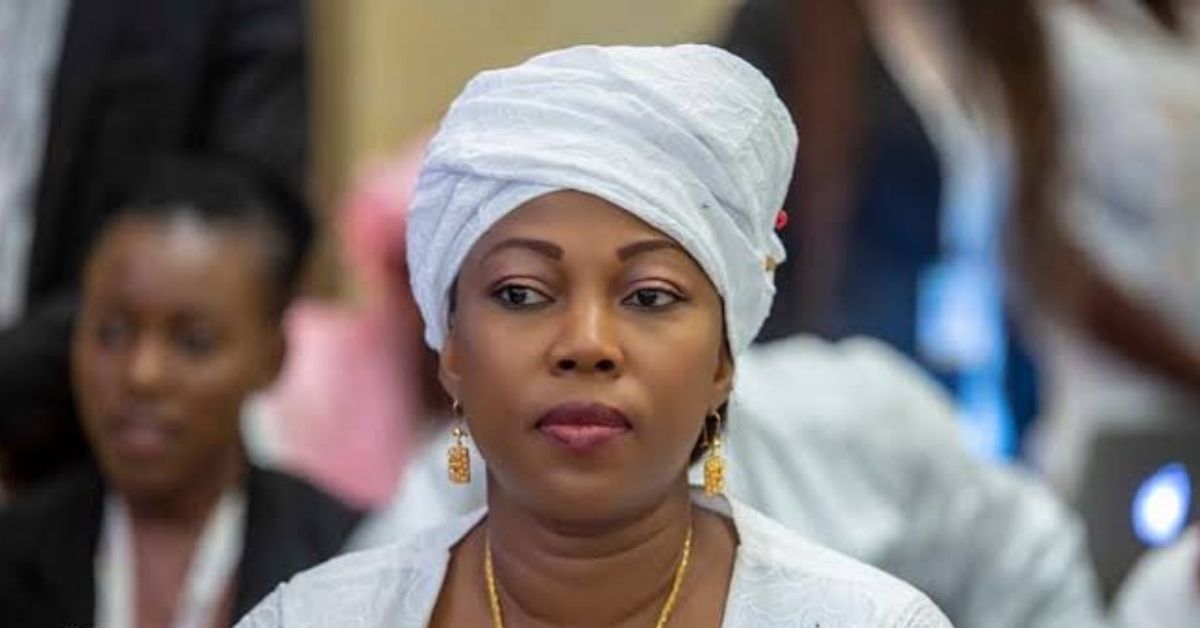
 Sierra Leone’s First Lady, Dr Fatima Bio, is set to present a draft resolution to the United Nations General Assembly seeking the official proclamation of an International Day to End Child Marriage.
The resolution is expected to be tabled on September 4, 2026, as Sierra Leone steps up its international advocacy against child marriage.
The initiative builds on the UN General Assembly’s adoption of a global resolution on ending child marriage on December 17, 2024. The proposed International Day would provide a dedicated annual occasion for governments, international organisations and civil society groups to raise awareness, mobilise resources and strengthen efforts to eliminate the practice.

According to Wusu Dadida Jalloh, Spokesperson in the Office of the First Lady, establishing an international day would represent “a natural next step” in keeping child marriage firmly on the global agenda.
Dr Fatima Maada Bio’s campaign against child marriage is closely connected to her own experience.
The First Lady has publicly spoken about escaping a forced marriage at the age of 12, describing the experience as one that continues to shape her advocacy.
“I am not talking from someone else’s story; it is my own story,” she has said.
Since becoming First Lady in 2018, Dr Bio has used the Hands Off Our Girls campaign to advocate against child marriage, sexual violence and other forms of abuse affecting girls and women.
She has also described child marriage as “legalised rape”, arguing that girls can be forced into marriages through decisions made by adults without their consent.
Her advocacy has extended beyond Sierra Leone through engagements at United Nations and African Union platforms, as well as meetings with international leaders and organisations.
The proposed resolution has also received diplomatic backing as Sierra Leone works to build support ahead of its presentation at the United Nations.
The African Union Mission to the United Nations reported that Sierra Leone’s Permanent Representative to the UN, Ambassador Michael Kanu, had briefed member states on the draft resolution.
Ambassador Kanu called on African countries to consider co-sponsoring the initiative and supporting it during the adoption process.
The campaign is being framed not only as a matter of protecting the rights and dignity of girls but also as a public health and development issue.
Child marriage can have consequences for girls’ education, health, economic opportunities and overall wellbeing, particularly when marriage leads to early pregnancy and limits access to essential services.
The proposed International Day follows Dr Bio’s previous advocacy at the United Nations.
She has previously championed international action that contributed to the establishment of the World Day for the Prevention of and Healing from Child Sexual Exploitation, Abuse and Violence.
Her latest initiative also follows a special event co-hosted by her office during the 70th session of the Commission on the Status of Women (CSW70) in March 2026.
The event brought together international stakeholders to discuss efforts to accelerate progress towards ending child marriage and strengthen the implementation of laws and policies protecting girls.
The proposed International Day would give governments and organisations another platform to assess progress and draw attention to gaps in efforts to prevent child marriage.
The push comes amid continuing international concern over the scale of child marriage.
According to the United Nations Population Fund (UNFPA), approximately 12 million girls are married before the age of 18 every year.
The practice remains particularly prevalent in parts of Africa and South Asia, where poverty, gender inequality, limited access to education and social norms can contribute to early marriage.
International organisations have repeatedly called for stronger investment in girls’ education, legal protections, social services and community-based interventions to accelerate progress.
At the CSW70 event in March 2026, Indian child-rights activist Bhuvan Ribhu also called for the United Nations to establish an International Day to End Child Marriage. Dr. Bio and other participants expressed support for the proposal.
If adopted by the General Assembly, the resolution would establish an annual international observance dedicated specifically to efforts to end child marriage.
Supporters argue that such a day could help maintain international attention on the issue while encouraging governments to strengthen legislation, improve enforcement and invest in programmes that address the underlying causes of child marriage.
It could also provide an opportunity for countries to highlight progress, identify remaining challenges and promote initiatives focused on keeping girls in school, protecting them from violence and expanding access to health and social services.
For Sierra Leone, the initiative represents another major step in the country’s efforts to place the protection of girls and the elimination of child marriage at the centre of its international advocacy.
With the proposed resolution expected to be presented at the United Nations General Assembly on September 4, 2026, attention will now turn to the level of support Sierra Leone can secure from member states as it seeks to turn its campaign into a globally recognised annual observance.