

Government Clarifies U.S. Investment Plans for Lungi Bridge
 Sahid Bangura
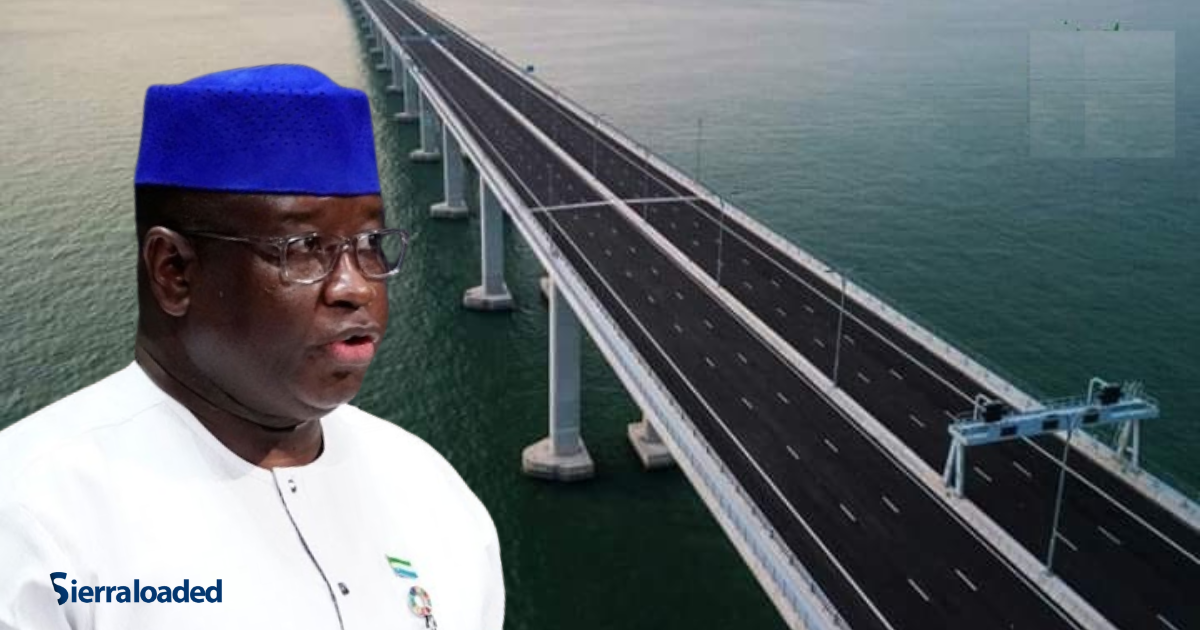
 Minister of Information and Civic Education Chernor Bah has clarified the proposed role of the United States in the construction of the long-awaited Freetown Lungi Bridge, saying the government is seeking private-sector investment from U.S. companies rather than direct U.S. government funding for the project.
Speaking on the AYV State of the Nation program on Wednesday, August 26, 2026, Bah explained that the government’s objective is to attract American private capital through a commercial arrangement that would enable the bridge project to finally move from years of planning and negotiations to actual construction.
According to the Minister, the proposed investment would also create opportunities for U.S. companies to participate in Sierra Leone’s growing economy and benefit from new commercial opportunities that the bridge is expected to generate.

“The idea is to attract private-sector investment from the United States to finally construct the Lungi Bridge and bring the project to fruition,” Bah said.
He said the government believes the bridge would have significant economic benefits for Sierra Leone while creating opportunities for both local and international investors.
Bah noted that American investors are particularly interested in positioning their companies to take advantage of emerging opportunities in Sierra Leone, saying the country is becoming increasingly open to international investment.
He linked the growing investor interest to developments in the energy sector, human capital development and the stability the country continues to enjoy.
The Minister said the proposed arrangement would therefore be based on strategic business investment rather than traditional foreign aid.
“Building the bridge is going to cost some money, so it is going to be some kind of deal,” he explained, adding that the United States is increasingly seeking commercially strategic partnerships instead of approaching such engagements solely through an aid framework.
Bah said negotiations between the Sierra Leone Government and prospective U.S. investors have been ongoing for some time, although he did not provide details of the proposed financial structure or the amount of private capital being considered.
He expressed optimism that the negotiations would soon produce an agreement that would enable the long-awaited project to proceed.
The Minister maintained that the Freetown-Lungi Bridge would be more than a transportation project, describing it as an important catalyst for economic activity and investment.
He said the bridge would help make Sierra Leone more accessible to international investors while allowing American companies to position themselves at the forefront of new commercial opportunities.
Bah’s clarification comes amid questions over whether the U.S. Government itself would finance the construction of the bridge or whether American businesses would benefit from the project once completed.
His response indicates that the government’s current strategy is to secure U.S. private-sector participation through a commercial investment arrangement, with the expectation that American companies would subsequently benefit from the economic opportunities created by the project.
The Minister said the government remains hopeful that the ongoing negotiations will result in an agreement that will allow Sierra Leone to finally realise the long-discussed Freetown-Lungi Bridge.
Hmmm… great investment, but how soon will this come to pass?
I think American oil company already have the big shear of this deal ,my own saying is they should try to make the oil they ar drilling have to possess so we can have more employment for all of us..
Elections are come nearer,all kind of rubbish,will hear online.