

Guinea Landfill Disaster: 17 Laid to Rest as 65 Survivors Face Uncertain Future
 Ben Bassey
 Seventeen Sierra Leonean nationals were laid to rest in Conakry as the government assesses the needs of 65 survivors of the Dar-es-Salam landfill collapse that killed 36 people.
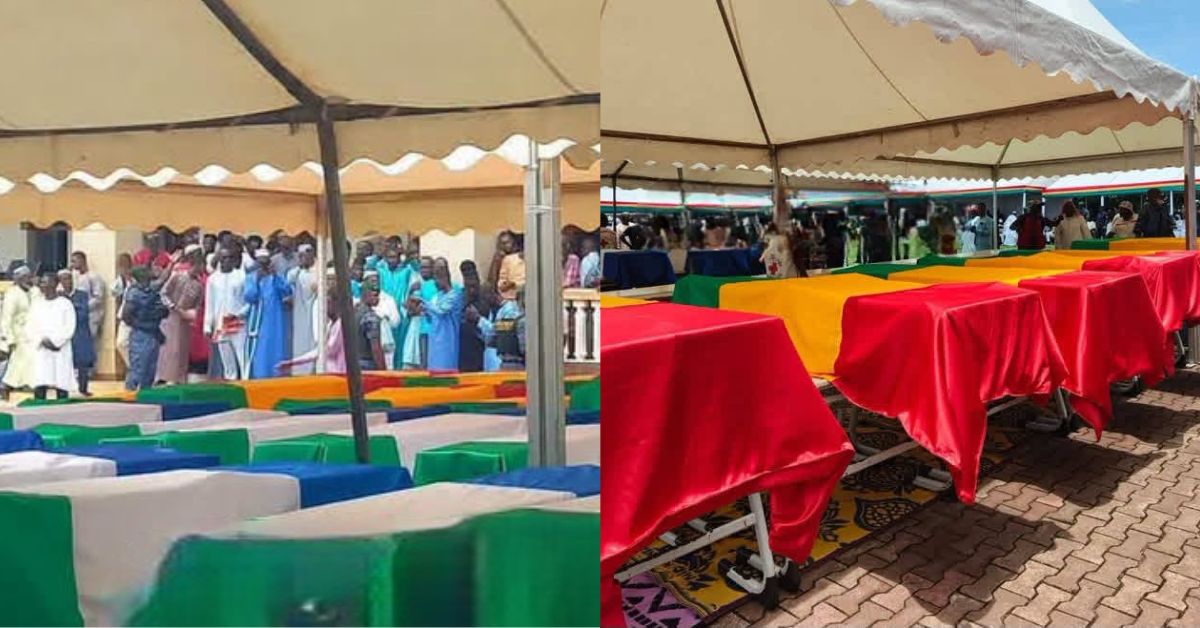
The victims, comprising 14 men and three women, were honoured at a national funeral ceremony on September 4 at the Turkish Mosque in Bambéto district, followed by interment at Martyrs Cemetery. The ceremony coincided with Guinea’s National Day of Mourning.
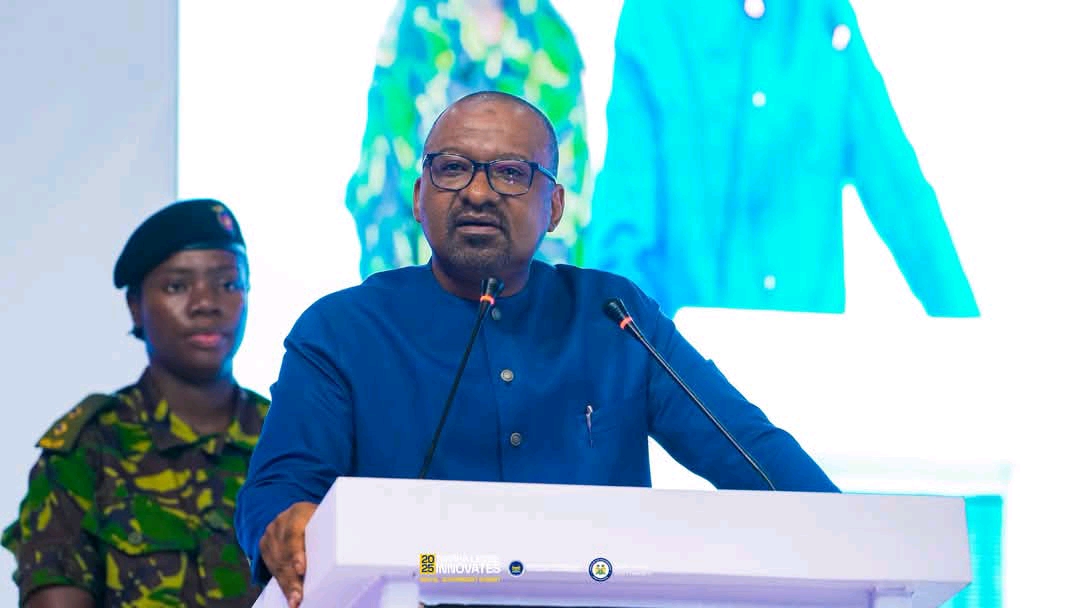
Sierra Leone’s Minister of Foreign Affairs and International Cooperation, Mohamed Rahman Swaray, led a government delegation to the funeral, joined by Minister of Internal Affairs Morie Lengoh Esq., Minister of Social Welfare Melrose Karminty, and National Disaster Management Agency Director General John Rogers.

Minister Swaray expressed profound appreciation to Guinean authorities for facilitating victim identification and care, while reaffirming Sierra Leone’s commitment to strengthened bilateral cooperation with its neighbour.


The landfill collapse occurred in the early hours of August 23 after torrential rains destabilised a massive refuse mound at the Dar-es-Salam site in the Gbessia area of Conakry. The collapse sent waste cascading onto homes and informal settlements, trapping residents as they slept.
The disaster claimed 36 lives in total, including 17 Sierra Leonean nationals. More than 1,600 displaced persons received assistance, with two reception centres established by Guinean authorities.
All 65 Sierra Leonean survivors have been discharged from hospital and are currently accommodated at a camp established by Guinean authorities. Presidential Spokesman Alhaji Alpha Khan disclosed that the Ministry of Social Welfare, in collaboration with the Sierra Leonean Embassy in Guinea, is conducting an assessment to identify survivors requiring additional support.
Vice President Mohamed Juldeh Jalloh travelled to Guinea on September 8 to meet with survivors at the camp and convey the government’s solidarity. The visit forms part of ongoing engagement with Guinean authorities following the tragedy.
The disaster has raised concerns about the safety of communities living near landfill sites. Residents in the Dar-es-Salam neighbourhood said they had repeatedly warned authorities about the danger, with the dump’s closure reportedly scheduled for the very day of the collapse. The government had announced evacuation operations in the days prior, citing landslide risks during the rainy season.
Guinea has experienced similar tragedies at the same site, with 10 people killed in 2017. The government has since begun demolishing houses in areas deemed at risk and announced plans to destroy the landfill.
As the emergency response transitions to longer-term recovery, authorities in Sierra Leone and Guinea continue coordinating to address the needs of survivors, while families of the deceased confront the difficult task of rebuilding their lives.