

NCPC, NPRA Launch Fuel Pump Checks After Short-Selling Allegations
 Aminata Koroma
 The National Consumer Protection Commission (NCPC) and the National Petroleum Regulatory Authority (NPRA) have launched a joint monitoring exercise of fuel stations in Bo City following persistent complaints from consumers over alleged short-selling of petroleum products.
The exercise, which forms part of a nationwide monitoring effort, seeks to verify the accuracy of fuel dispensing systems and address concerns raised by motorists, especially commercial bike riders and drivers, who alleged that they are not receiving the correct quantity of fuel for the amount paid.
Regional Coordinator of the NCPC, Madam Amelia Sandy, said the exercise has already been conducted in Freetown and Bo, with plans to extend it to Makeni, Kenema, and other parts of the country.

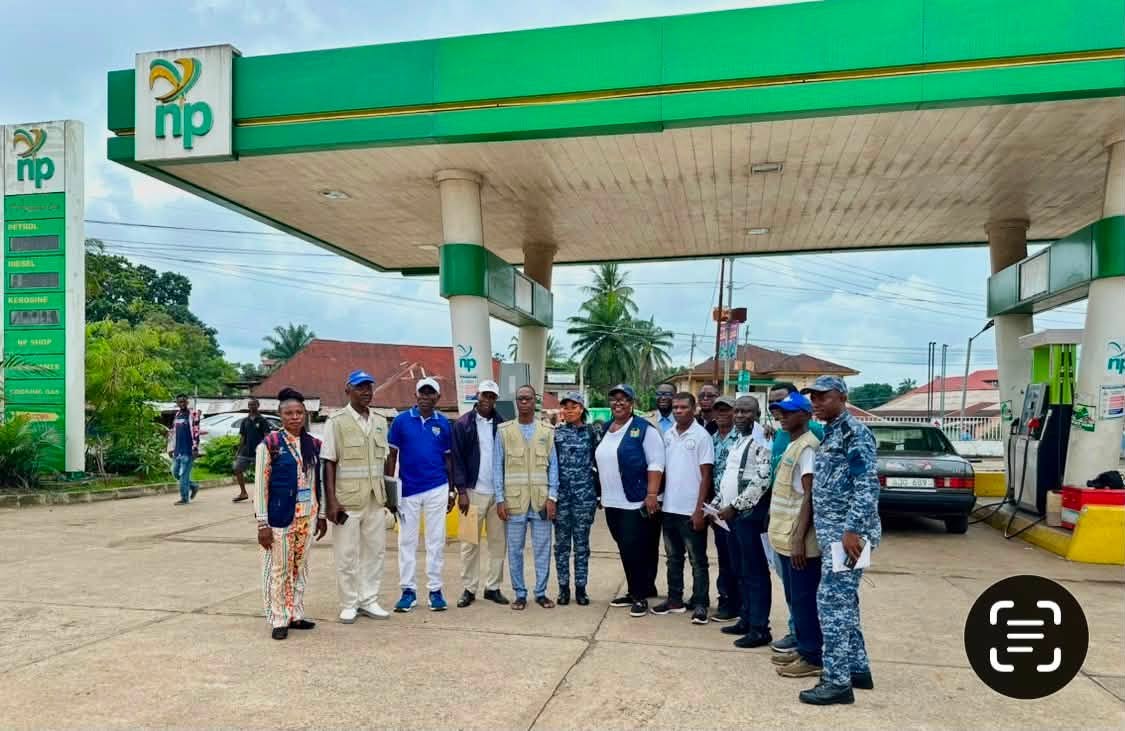



She explained that findings from the monitoring exercise will be compiled and submitted to the respective head offices for further action, in collaboration with the Sierra Leone Standards Bureau and Oil Marketing Companies (OMCs).
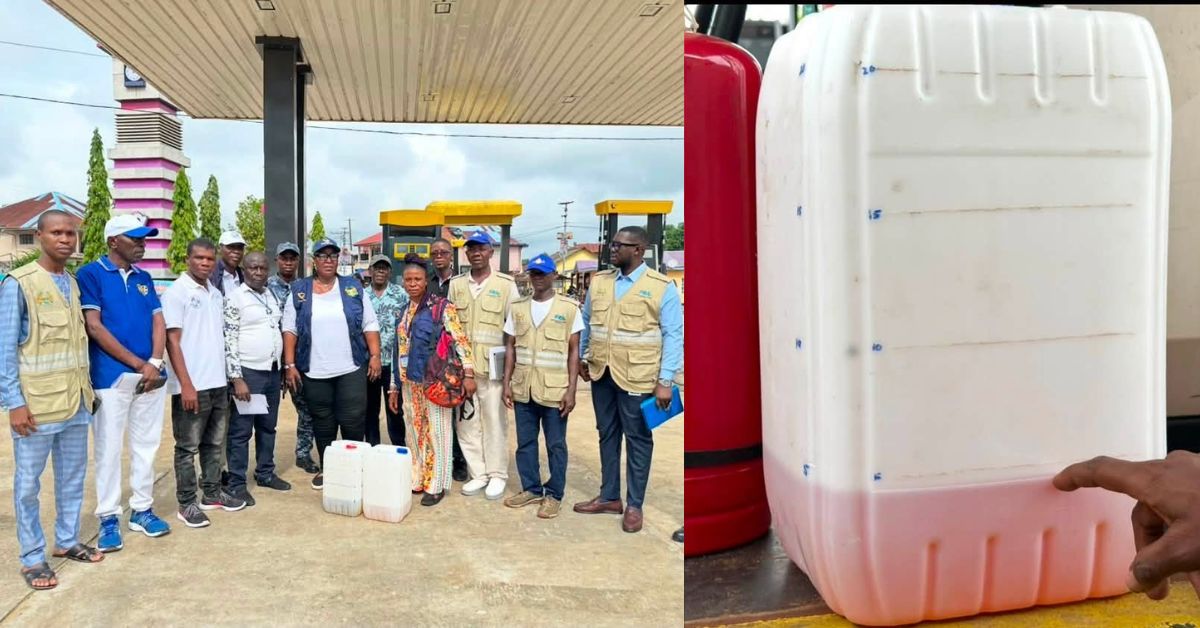
To verify the accuracy of fuel pumps, the two institutions deployed calibrated jerrycans during inspections of filling stations. According to Madam Sandy, initial findings have confirmed concerns raised by consumers regarding fuel measurements.
Acting Regional Manager of NPRA South, Samuel Yambasu, said all stations inspected so far had recorded discrepancies in the measurement of Premium Motor Spirit (PMS), commonly known as petrol.
“The stations are not dispensing the actual litre,” Yambasu said, adding that the exercise has validated complaints from consumers.
He noted that the government is currently subsidising petrol prices to reduce the burden on citizens, making it unacceptable for dealers to short-change consumers.
Meanwhile, Civil Society Regional Convener Mustapha Kpaka also confirmed the alleged malpractice, stating that some customers had received only 4.5 litres instead of the expected five litres.
Kpaka welcomed the intervention by the NCPC and NPRA, describing it as long overdue. He pledged civil society’s commitment to monitor the process and ensure that defaulters are sanctioned while consumers’ rights are protected.