
Parliamentary Committee Calls for Urgent Action to Revive Sierra Leone’s Heritage Sector
 Sia Lucy Kannah
 The Parliamentary Committee on Tourism and Cultural Affairs has called for increased investment, stronger institutional support and improved legislation to preserve and promote Sierra Leone’s museums, monuments, relics and cultural heritage.
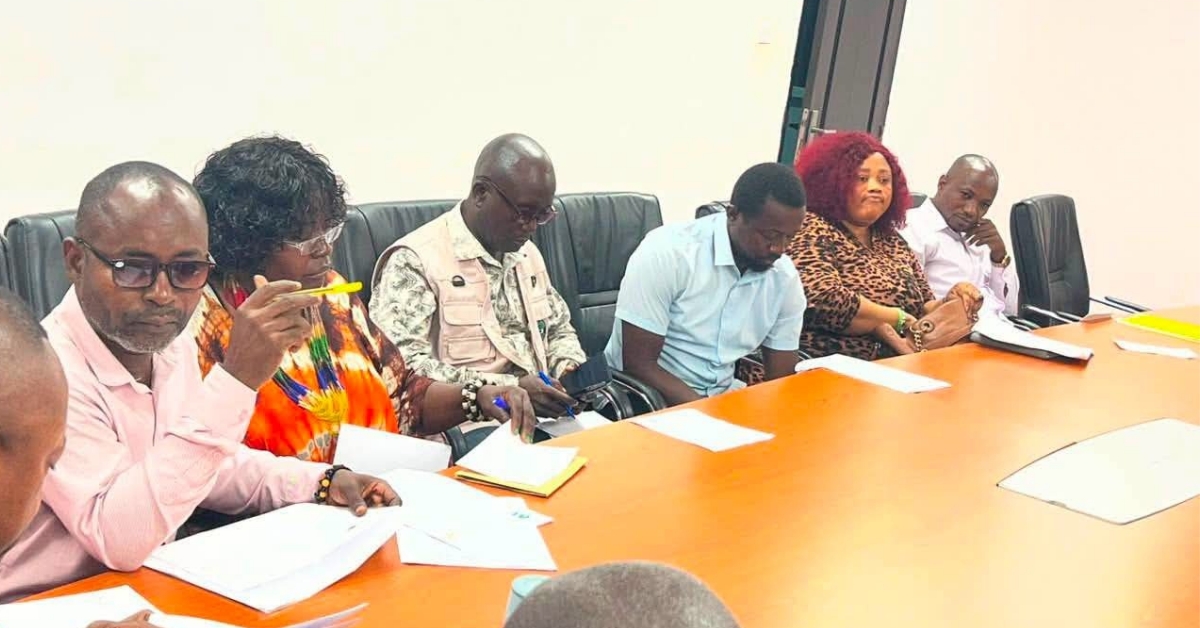
The call was made during the Committee’s engagement with the Monuments and Relics Commission, Sierra Leone National Museum and Sierra Leone National Railway Museum at the Speaker’s Conference Room in the Parliament Building, where the institutions presented their activities, achievements, challenges and future plans.
Deputy Chairman of the Committee, Honourable Abdul Karim Kamara, said the engagement was aimed at understanding the challenges confronting heritage institutions and identifying areas where Parliament could intervene. He encouraged the institutions to be transparent about their operational difficulties and assured them of the Committee’s support.

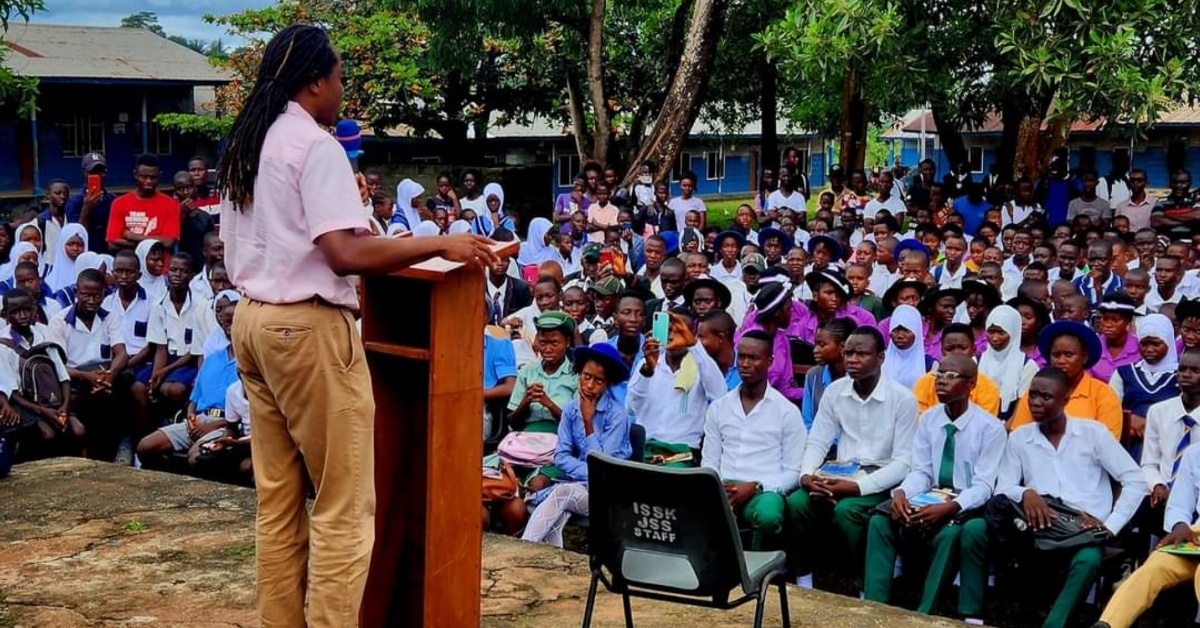
The Monuments and Relics Commission highlighted its efforts to promote heritage education through Heritage School Clubs involving about 25 to 30 schools, introducing young people to traditional games and cultural activities. The Commission also reported progress in the maintenance and rehabilitation of heritage sites, including the Museum Heritage Tower, Writer’s Stone and King’s Yard, as well as substantial completion of rehabilitation works at the National Museum following the 2024 fire.
However, the Commission cited outdated legislation, the absence of a substantive Board for about six years, inadequate staffing, limited vehicles and motorcycles, low staff remuneration and delays in receiving its Management and Functional Review report as major challenges.
The National Museum also reported progress in conservation, documentation, exhibitions, educational visits and collaboration with schools and communities. However, it continues to face inadequate funding, ageing infrastructure, limited exhibition and storage space, insufficient conservation equipment, a shortage of trained professionals, security concerns and limited outreach beyond Freetown.
The Museum plans to digitise its collections, establish a National Digital Artefact Database, introduce a nationwide Mobile Museum Outreach Programme, improve conservation facilities, and expand heritage education and domestic tourism.
Meanwhile, the National Railway Museum outlined its achievements in preserving important railway assets, including the historic 1897 steam locomotive, diesel locomotive and former Governor’s and Queen’s Coaches. The Museum has also established Railway Heritage Clubs in about 25 schools to promote awareness of Sierra Leone’s railway history among young people.
The Committee assured the institutions that issues relating to inadequate staffing, logistics, remuneration and other operational constraints would be raised with the relevant authorities.
The engagement concluded with a commitment to strengthen cooperation between Parliament and heritage institutions through further engagements and site visits, with the aim of ensuring that Sierra Leone’s rich cultural and historical heritage is preserved, promoted and developed for future generations.