

Sierra Leone Advances AU Accountability Framework to End FGM, Child Marriage
 Osman Tolo Sesay
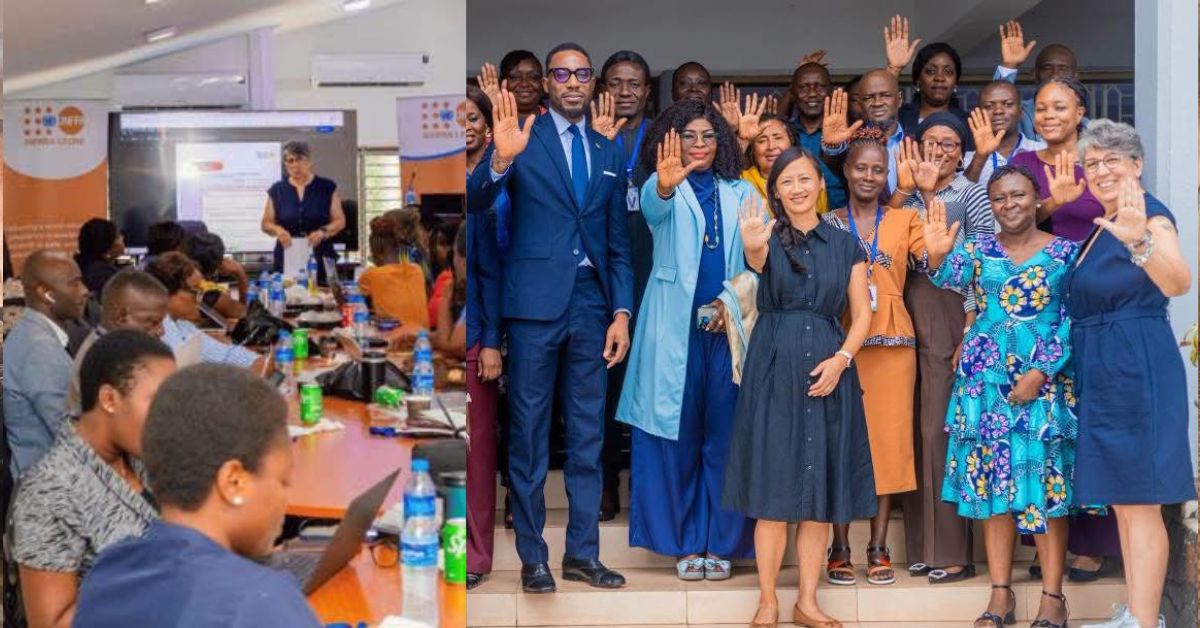
 Sierra Leone has taken a significant step toward strengthening its implementation of the African Union (AU) Accountability Framework on the elimination of harmful practices, as government institutions and development partners convened a two-day consultative workshop to develop a national operationalisation plan.
The workshop, held in Freetown on July 27, 2026, was organised by the United Nations Population Fund (UNFPA) in collaboration with the Ministry of Gender and Children’s Affairs under the Iceland-funded project, Accelerating Progress Towards the Elimination of Female Genital Mutilation (FGM) in Sierra Leone.
The initiative is aimed at enabling Sierra Leone to effectively implement the AU Accountability Framework by strengthening national monitoring, reporting, and institutional accountability in the fight against Female Genital Mutilation (FGM) and Child, Early, and Forced Marriage (CEFM).

Speaking at the opening ceremony, UNFPA Country Representative, Mr Kunle Adeniyi, said the AU framework provides African countries with a structured mechanism to assess progress and improve accountability in addressing harmful practices.
He stressed that the priority now is translating continental commitments into practical national actions capable of delivering measurable improvements for women and girls.
Sierra Leone was selected as one of the second cohort of African Union member states to implement the accountability framework, following progress made in addressing harmful practices, including the enactment of the Prohibition of Child Marriage Act and ongoing collaboration on policy and technical reforms.
According to available national Demographic and Health Survey data, the prevalence of FGM among women aged 15 to 49 declined from 90 per cent in 2013 to 83 per cent in 2019. However, stakeholders noted that significant challenges remain, particularly regarding comprehensive legal protection and effective enforcement.
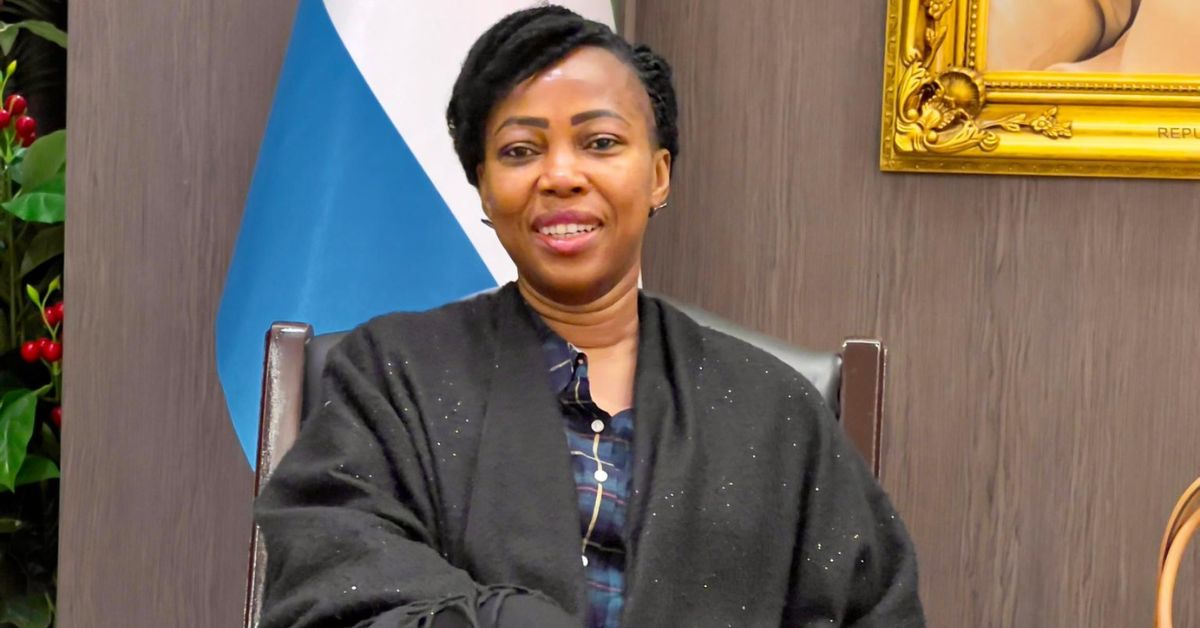
Addressing participants, Minister of Gender and Children’s Affairs, Hon. Isata Mahoi, reaffirmed the Government of Sierra Leone’s commitment to protecting women and girls from harmful traditional practices.
She acknowledged that despite legislative and policy progress, FGM and child marriage continue to affect many girls across the country, emphasising that aligning national efforts with the UNFPA Accountability Framework will strengthen implementation and coordination.
Head of Mission at the Embassy of Iceland, Ms. Ásdís Bjarnadóttir, underscored the importance of sustained partnerships, accountability, and continued investment to ensure that regional and global commitments produce tangible results at the national level.
Throughout the workshop, technical experts from the Ministry of Gender and Children’s Affairs, Statistics Sierra Leone, the Human Rights Commission of Sierra Leone, and UNFPA guided participants through the AU reporting process. Discussions focused on national data, legislative frameworks, and regional commitments, including the Maputo Protocol, while participants received practical training on completing the AU Accountability Framework reporting template.
Working groups also drafted Sierra Leone’s country-specific operationalisation plan by aligning AU reporting indicators with existing national strategies, including the National Strategy for the Reduction of FGM and the National Strategy for the Reduction of Sexual and Gender-Based Violence. The plan outlines institutional responsibilities, implementation priorities, resource mobilisation strategies, and timelines for delivery.
Stakeholders expressed confidence that the strengthened accountability mechanisms will enhance Sierra Leone’s ability to meet its obligations under the African Union framework while advancing progress toward Sustainable Development Goal 5.3, which seeks to eliminate all harmful practices against women and girls by 2030.