

Sierra Leone Faces Fresh European Pressure Over ‘Bolle Jos’ Extradition Case
 Sahid Bangura
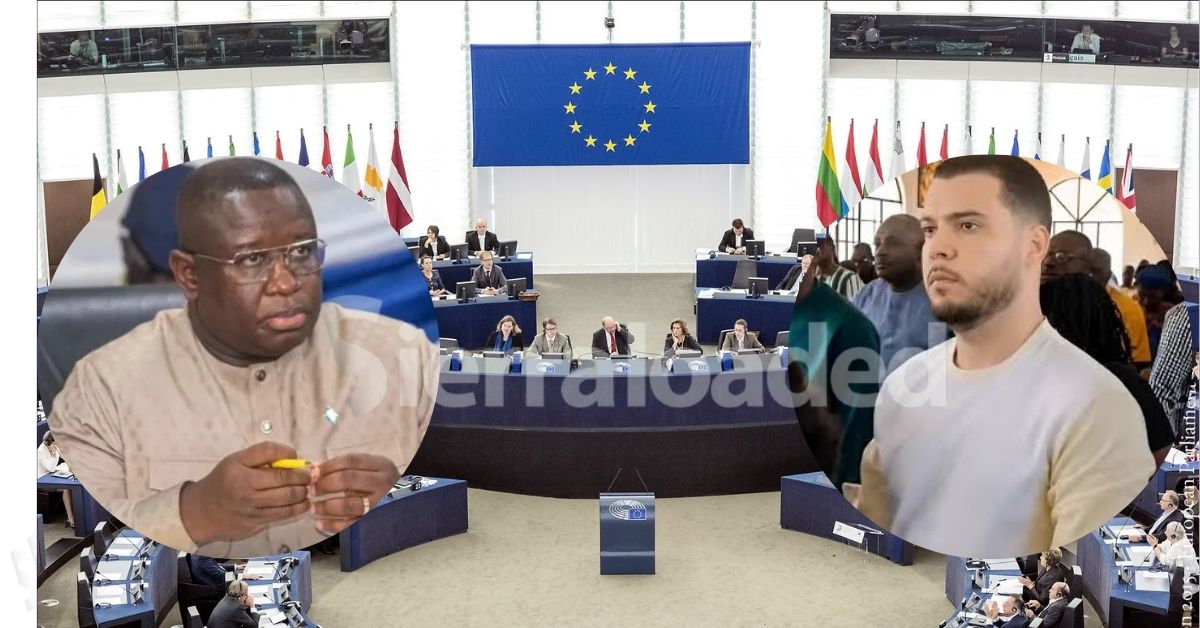
 Sierra Leone is facing renewed diplomatic pressure from the European Parliament over the case of Dutch fugitive Jos Leijdekkers, widely known as “Bolle Jos,” with lawmakers expected to vote on Thursday, September 17, 2026, on a resolution calling for stronger measures against countries that fail to cooperate in the pursuit of convicted drug traffickers.
The proposed resolution is expected to call for strengthened judicial cooperation between the European Union and West African countries and could urge the European Commission to consider diplomatic and financial measures against Sierra Leone, including possible restrictions on development assistance and visa measures targeting senior officials.
The European Parliament’s current plenary session runs from September 14 to 17 in Strasbourg, with Thursday’s sitting listed on the Parliament’s official agenda.

The renewed pressure centres on Leijdekkers, who has been convicted in absentia in the Netherlands and Belgium and remains wanted by European authorities. A 2026 European Parliament study identifies him as a convicted Dutch drug trafficker and notes that Europol and Dutch prosecutors regard him as a significant figure in the international cocaine trade.
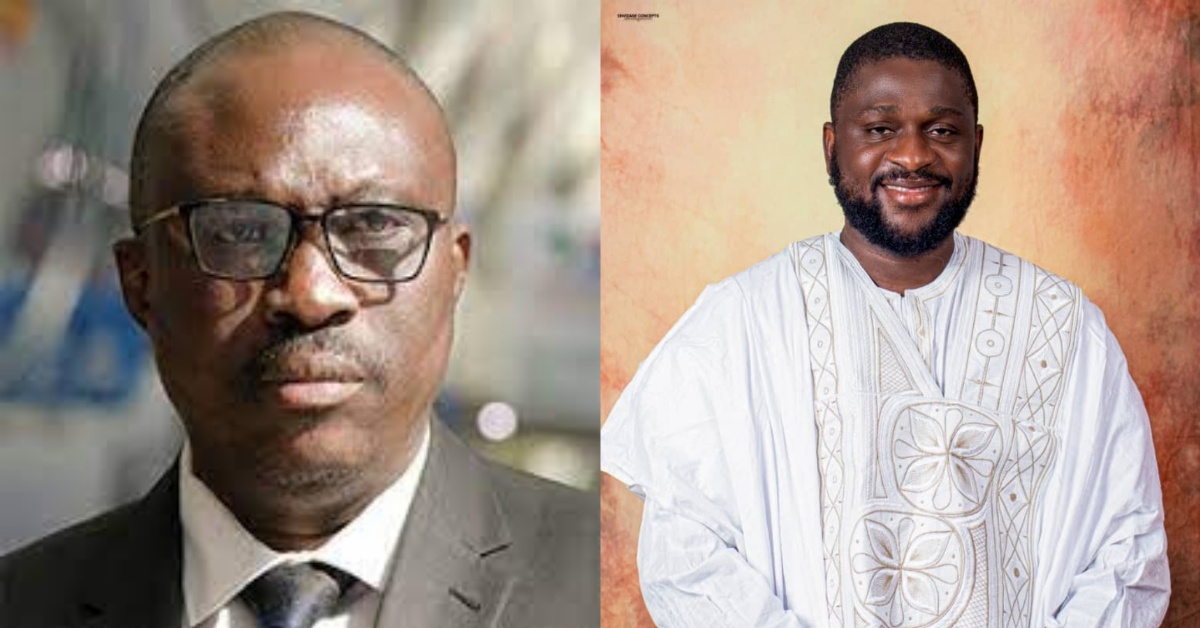
Dutch MEP Malik Azmani has been among the European politicians calling for stronger action against Sierra Leone. In June, he urged the European Commission to increase pressure on Freetown to facilitate Leijdekkers’ extradition.
The Netherlands has also sought broader European support. Dutch government documents state that the country has repeatedly requested Sierra Leone’s cooperation on Leijdekkers’ extradition and has been working with international and EU partners to increase diplomatic pressure.
The Dutch government has also raised the possibility of suspending EU development cooperation with Sierra Leone as part of a wider package of measures, although it acknowledged that EU member states had not reached agreement on such a suspension.
Sierra Leone, meanwhile, has maintained that its authorities do not know Leijdekkers’ whereabouts. The dispute has increasingly become a diplomatic issue between Freetown and The Hague, with Sierra Leonean officials rejecting some of the allegations and questioning aspects of the Dutch approach.
The potential EU measures are significant because the European Commission has allocated about €352 million to Sierra Leone under its 2021–2027 development cooperation framework. However, the funding has not been automatically cancelled, and any suspension would require separate decisions through the EU’s institutional processes.
Any resolution adopted by the European Parliament would increase political pressure on Sierra Leone but would not, by itself, automatically impose sanctions or terminate EU development funding.
The vote therefore comes as the Leijdekkers case continues to test Sierra Leone’s relations with the Netherlands and the wider European Union, with extradition, judicial cooperation and international efforts against organised drug trafficking remaining at the centre of the dispute.
OMG. Sierra Leone you don’t need EU help to develop any thing in Sierra Leone. You only need trades on goods, marketing. Please for get about those colonial masters. Now, you see how they are dictating to you. Why they cannot give up Adebayor? Why?. Exchange the two men. Period. Peace, respect and love. God bless Sierra Leone.