

Government Launches US$990,000 Skills Training Project for Persons With Disabilities
 Sia Lucy Kannah
 The Government of Sierra Leone has launched a major US$990,000 initiative aimed at promoting economic independence and sustainable livelihoods for Persons with Disabilities (PWDs) across the country.
The Enabling Economic Independence for Specially Abled Persons Project, funded through a grant from the India–UN Development Partnership Fund, is being implemented by the United Nations Development Programme (UNDP) in partnership with the Ministry of Social Welfare.
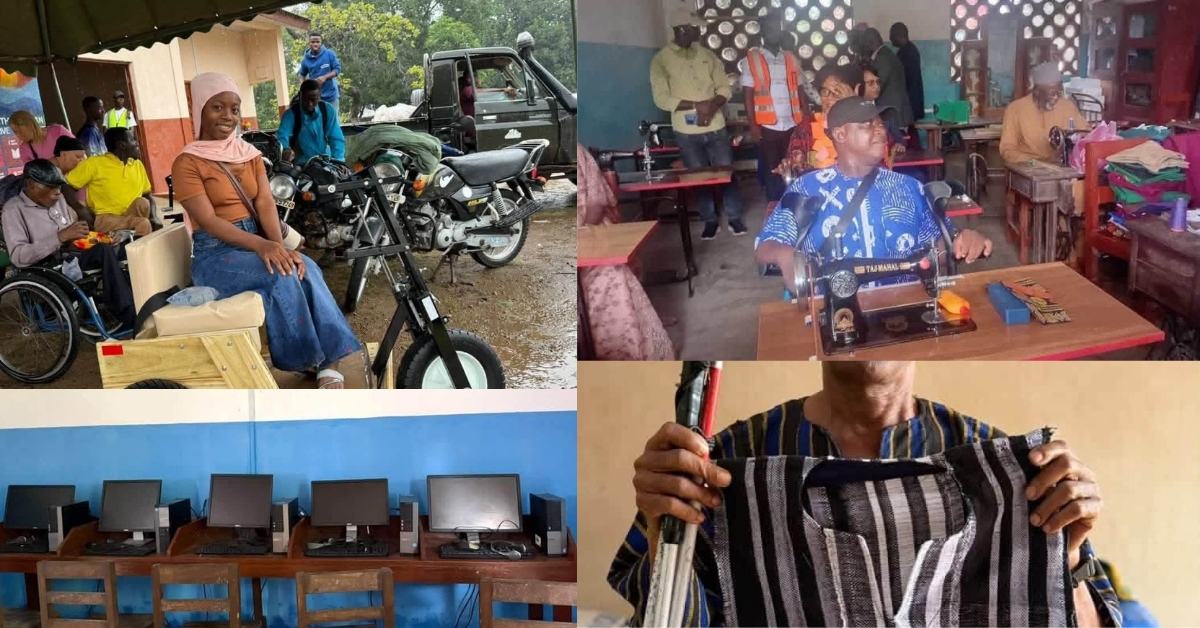
As part of the initiative, newly rehabilitated Skills Training Centres in Kambia and Kenema have been officially commissioned, marking the first phase of a broader programme targeting six vocational facilities across six districts.

The project will rehabilitate and equip the six centres to provide persons with disabilities with vocational skills, equipment and other support needed to develop sustainable livelihoods and participate more fully in Sierra Leone’s economic development.


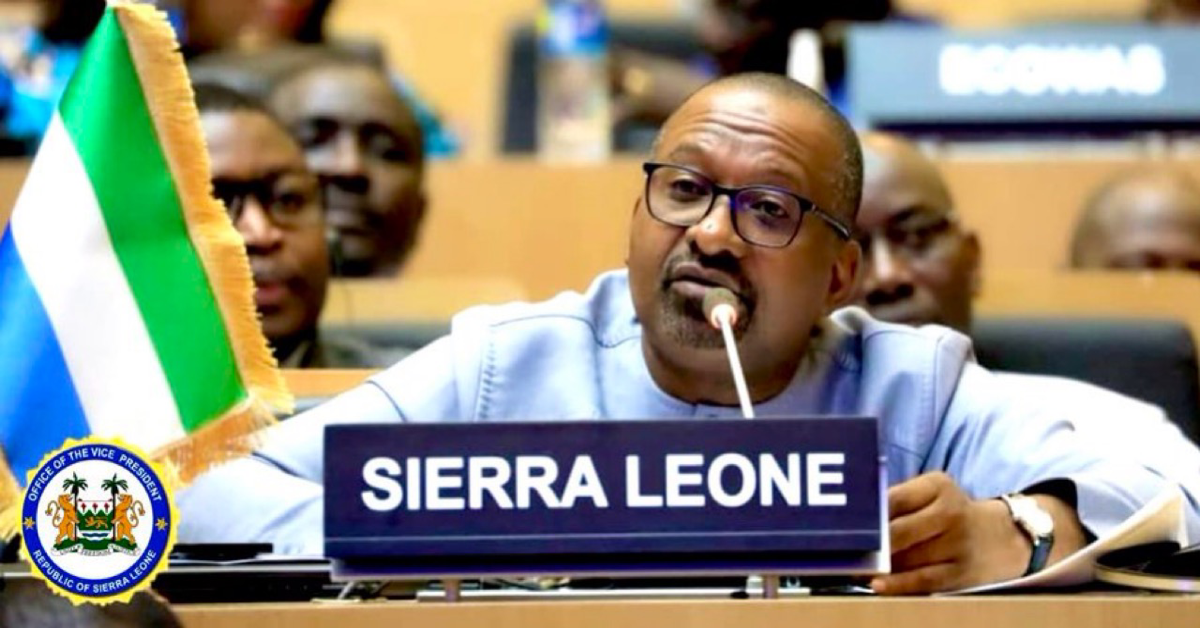
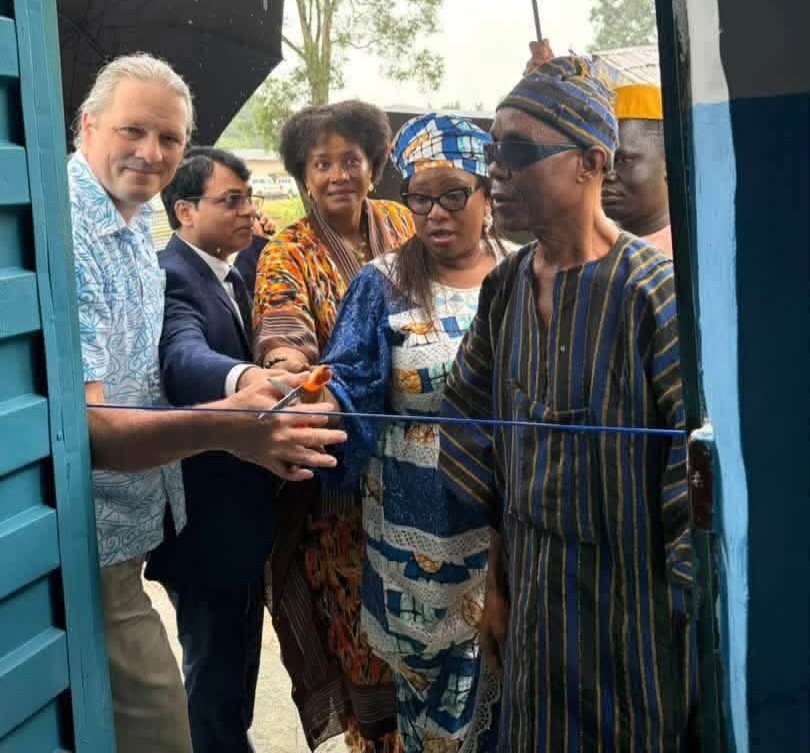
Speaking at the commissioning ceremony, Minister of Social Welfare Melrose Karminty said the government is committed to creating a system where persons with disabilities can take ownership of their economic lives.
She stressed that vocational training must be supported by access to markets, microfinance, equipment and structured mentorship to ensure that livelihoods created through the programme are sustainable.
Minister Karminty also called for a societal shift from viewing persons with disabilities through the lens of limitations to recognising their economic potential, independence and contribution to national development.
India’s Chargé d’Affaires, Neeraj Kumar Sinha, highlighted capacity building and South-South cooperation as key elements of India’s development partnership with Sierra Leone.
National Commission for Persons with Disability Chairman Brima Abdulai Sheriff described the rehabilitated centres as “stepping stones toward self-reliance,” emphasising that persons with disabilities should be active contributors to Sierra Leone’s development rather than passive recipients of support.
UN Resident Coordinator Seraphine Wakana reaffirmed the UN’s commitment to leaving no one behind and called for effective monitoring of the project, while UNDP Deputy Resident Representative Kevin Petrini described the facilities as platforms for confidence-building and social transformation.
For beneficiaries, the project is already providing practical support. Martha, a resident of Kenema, received a new wheelchair alongside access to vocational training opportunities at the facility and described the intervention as a life-changing development.
The Kambia and Kenema centres represent the initial phase of the nationwide rollout, with rehabilitation work expected to begin in the remaining four targeted districts in the coming months.
Good initiative from the National Commission for Persons with Disabilities.