

SLRSA Urges Stronger Accountability as Leadership Reviews Mid-Year Performance of Station Managers
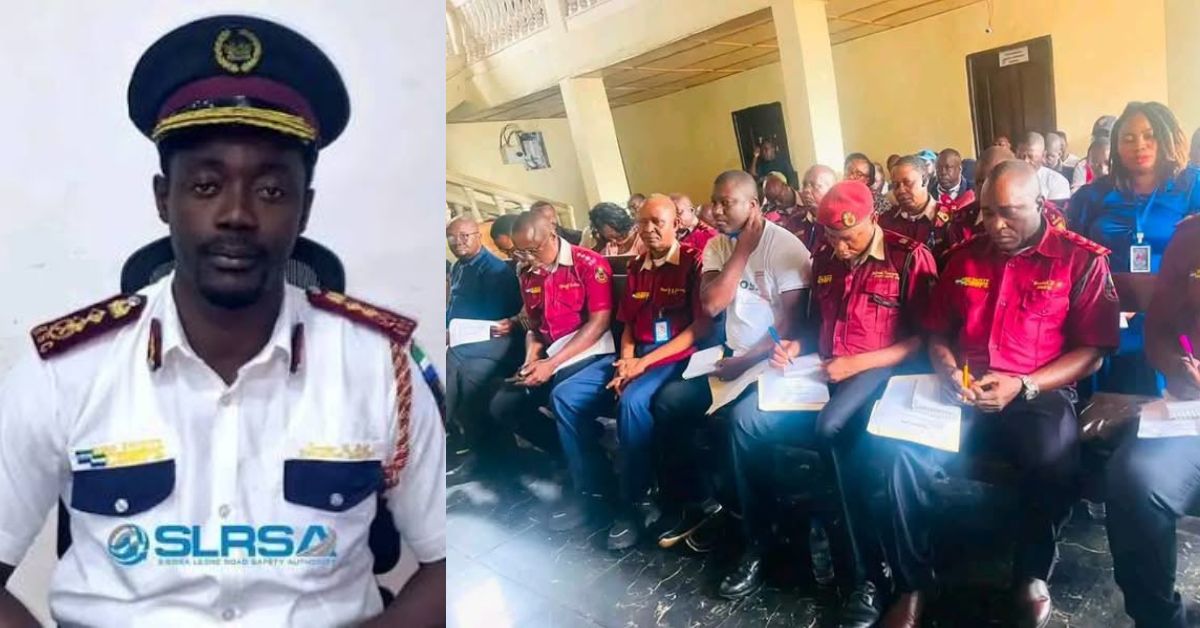
 Osman Tolo Sesay
 The Sierra Leone Road Safety Authority (SLRSA) has called for stronger professionalism, accountability, and improved service delivery after reviewing the performance of station managers during a mid-year engagement aimed at strengthening road safety operations nationwide.
The meeting, held on Monday, 3rd August, 2026, at the Authority’s headquarters on Kissy Road, brought together Executive Director James Bagie Bio, Deputy Executive Director Josie Abraham Scott-Manga, senior management, and station managers from across the country. According to the SLRSA, discussions focused on operational performance, revenue generation, road safety enforcement, vehicle inspections, driver licensing, staff discipline, and public awareness initiatives.
Addressing the gathering, Executive Director James Bagie Bio praised station managers for their contributions to implementing the Authority’s road safety programs but urged them to maintain momentum.

He commended their dedication and cooperation in road safety education, enforcement support, vehicle inspections, driver licensing, and public sensitisation. However, Bio cautioned against complacency, saying the progress already made should inspire greater efforts to safeguard road users.

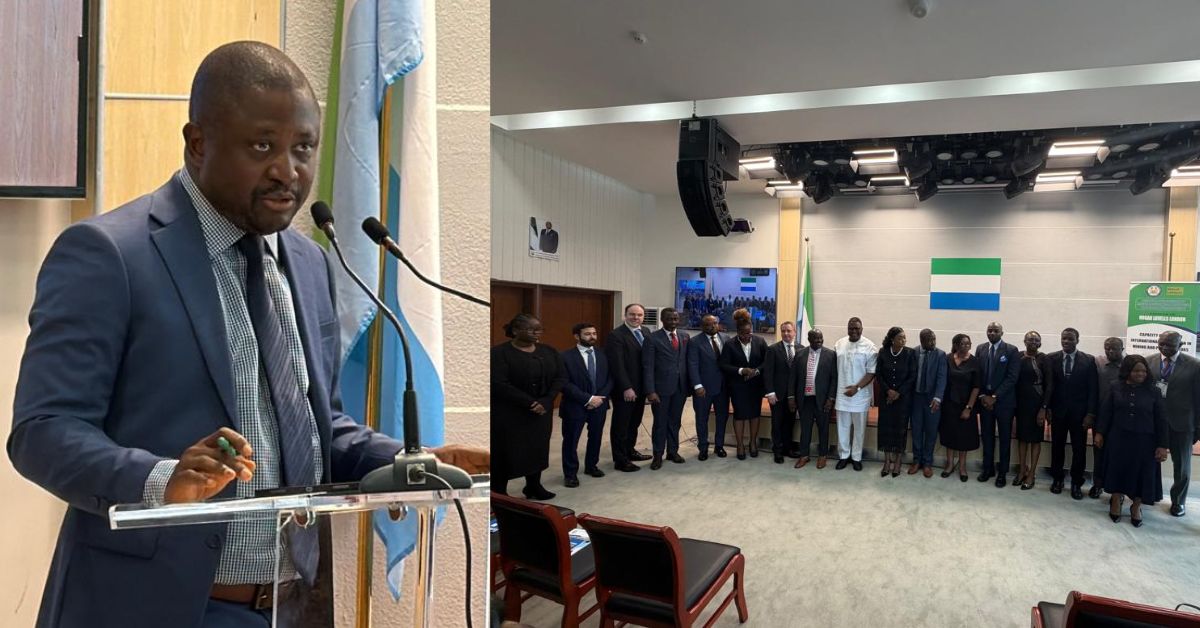
He also said the Authority routinely meets with station managers to identify operational challenges and determine the support needed to improve service delivery.
Director of Human Resources Assanatu Judith Mansaray-Bangura said the engagement was designed to create direct interaction between the Authority’s leadership and station managers to identify ways of improving operations across the country.
During a presentation on workplace standards, she emphasised the importance of staff discipline, professional conduct, punctuality, proper dressing, and maintaining clean work environments. She also encouraged personnel to treat colleagues and members of the public with respect while promoting transparency, accountability, and ethical behaviour.
Director of Finance Joseph Momoh reported positive financial performance across the Authority, stating that most stations surpassed their revenue targets during the first half of the year.
He said the Finance Directorate oversees both revenue collection and expenditure management, adding that the Authority had paid more than NLe13 million in staff-related and other obligations during the first six months of the year, describing the achievement as unprecedented.
Momoh further disclosed that responsibility for routing revenue collection had been transferred from the SLRSA to the Sierra Leone Public Transport Authority (SLPTA). According to him, the change has opened opportunities to generate income through commissions from first-aid kits, fire extinguishers, eye tests, reflective vests, helmets, and safety lights.
Director of Administration Mariama Masuba reminded station managers that road safety remains the Authority’s primary responsibility, although revenue generation is necessary to sustain its operations and public services.
She highlighted several public education campaigns undertaken by the Authority, including the ongoing rainy-season road safety sensitisation campaign aimed at reducing road crashes. According to Masuba, the campaign has been completed in the Western Area and will soon expand to provincial headquarters towns, where it will also promote the African Road Safety Charter.
Director of Transport Arthur Brima expressed concern over reports that some vehicle examiners allegedly demand money from members of the public before conducting inspections.
He warned that such practices could compromise inspection standards and allow unroadworthy vehicles onto the roads. Brima urged examiners to carry out their responsibilities professionally and pledged to work toward ensuring all vehicle examiners are gazetted to strengthen professional recognition within the Authority.
The engagement concluded with renewed appeals from the SLRSA leadership for closer coordination, higher professional standards, and greater accountability. Management also encouraged station managers to build on achievements recorded during the first half of the year while addressing operational gaps and keeping road safety at the centre of the Authority’s work.