
SLURC Engages Communities to Boost Climate-Resilient Land Use in Freetown
 Alusine Ahmed Kargbo
 Efforts to improve climate resilience in Freetown’s informal settlements are gaining attention as the Sierra Leone Urban Research Centre (SLURC) works with communities to promote sustainable land-use practices.
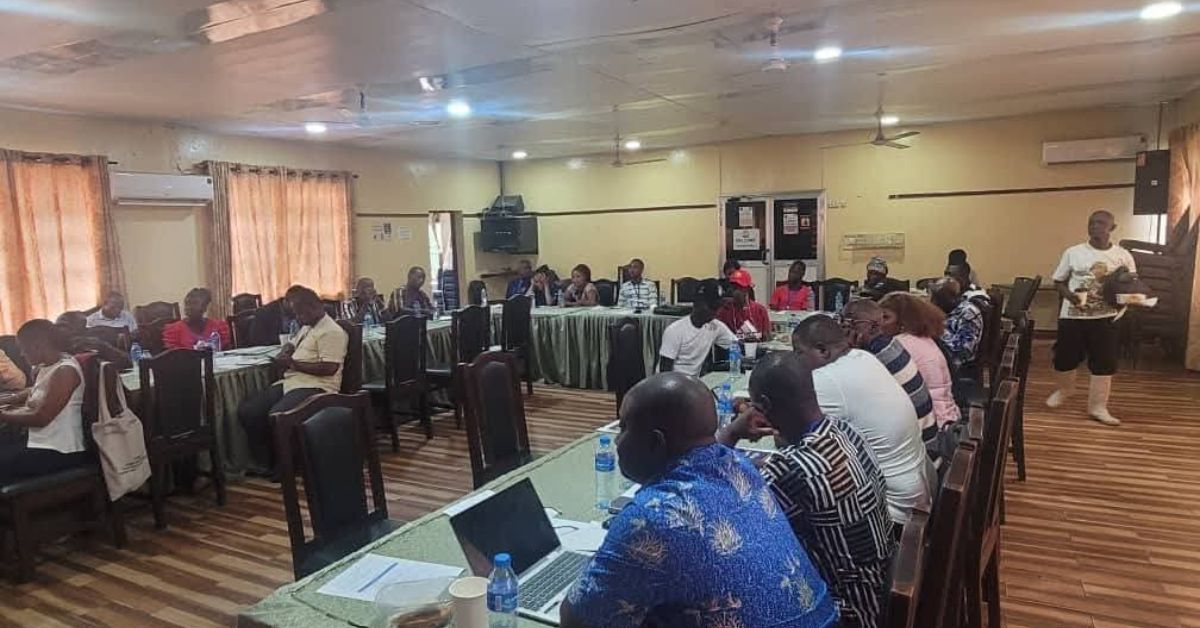
A stakeholder workshop held on July 28, 2026, in Freetown brought together government officials, community representatives, civil society groups and researchers to examine land-use challenges in Thompson Bay in the west of the city and Pamoronko in the east.
The engagement focused on how current land-use practices contribute to climate risks such as flooding, while also identifying practical and inclusive solutions to strengthen community resilience.

Speaking at the opening, SLURC Executive Director Dr Joseph Macarthy said informal settlements play a key role in the growth of Freetown but are often left out of planning processes. He stressed the need to include all residents in decisions that affect the future of the city.
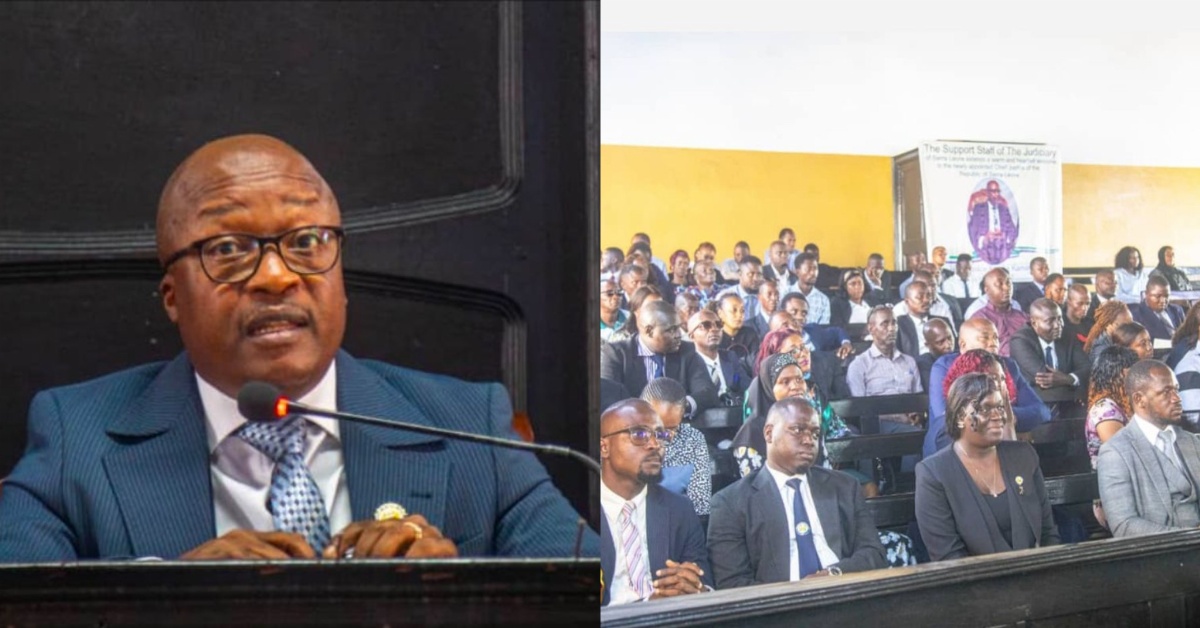

He also noted that addressing challenges in these communities requires cooperation among government institutions, residents and development partners rather than relying only on enforcement actions.
The Urban Futures Project seeks to better understand climate vulnerabilities in informal settlements and promote fair and community-driven solutions. Findings presented during the workshop highlighted weak enforcement of land-use regulations, rapid urban growth and limited economic opportunities as major factors increasing vulnerability.
Participants discussed possible solutions, including reviewing land-use policies, protecting wetlands to reduce flood risks and supporting alternative livelihoods for residents.
Representatives from government institutions acknowledged the growing pressure on land, especially in protected areas, and the challenges faced in managing informal settlements. They also welcomed the workshop as an opportunity to explore more inclusive and effective approaches.
Community members shared their experiences and emphasised the importance of dialogue and collaboration in improving living conditions.
The workshop ended with plans for the next phase of the project, which will focus on developing long-term strategies to support better land management and climate resilience in Freetown.
The initiative reflects a growing shift toward community-based solutions, where local voices play a central role in shaping sustainable urban development.