
“Speeches Won’t Save Sierra Leone” – CHRDI Boss Fires Warning Over Corruption and Weak Institutions
 Aaron Parker
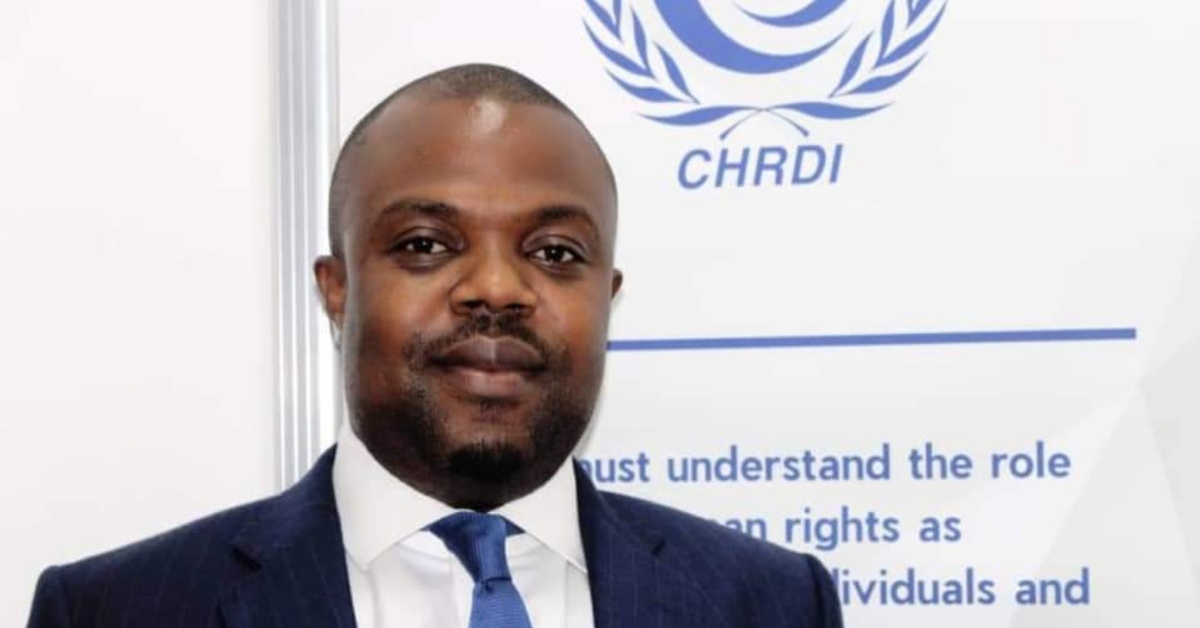
 The Executive Director of the Campaign for Human Rights and Development International (CHRDI), Abdul M. Fatoma, has warned that speeches and promises alone will not transform Sierra Leone, stressing the need for stronger laws, accountable institutions, and citizens committed to fighting corruption.
Fatoma, in a statement, said Sierra Leone’s future depends on building systems that work, institutions that cannot be influenced by personal interests, and a society where corruption is no longer accepted as normal.
He noted that the country has endured decades of challenges, including civil war, the Ebola outbreak, devastating mudslides, poverty, and unfulfilled promises, adding that while Sierra Leoneans have demonstrated resilience, courage alone cannot deliver national development.

According to him, the country’s main challenge is not a lack of talent, faith, discipline, or patriotism, but the failure to adequately protect honest citizens while individuals who misuse public office often operate with confidence.
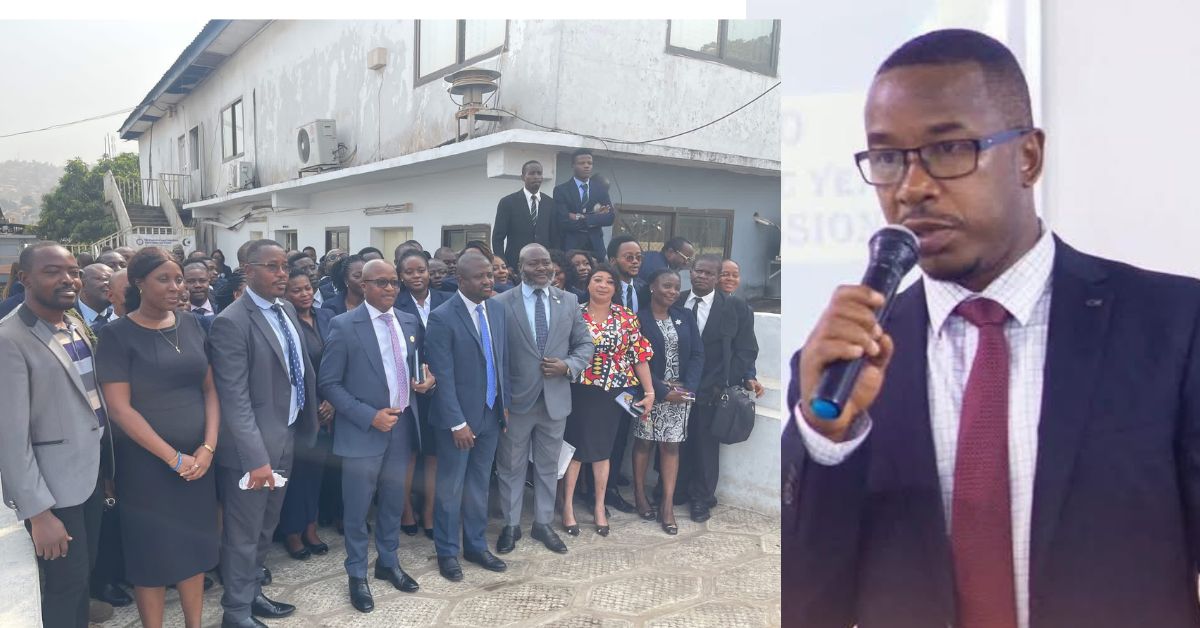
Fatoma described corruption as more than a moral issue, calling it a national security threat that affects every aspect of society by depriving hospitals of medicine, schools of learning materials, young people of opportunities, and families of dignity.
He warned that unfinished projects, opaque contracts, politically influenced appointments, and unequal access to justice weaken public confidence in government and create a threat to democracy.
“Sierra Leone does not need another beautiful promise. It needs enforceable reform,” Fatoma stated, calling for greater transparency in the management of public resources, recovery of stolen assets, and independent investigations into allegations of abuse of office involving public officials.
He also advocated for improved transparency in asset declarations, campaign financing, public procurement processes, and government appointments, arguing that citizens must have access to information about how decisions are made and who benefits from them.
The CHRDI Executive Director further called for stronger protection for whistleblowers, saying individuals who expose wrongdoing should be supported rather than punished.
He urged communities to take greater interest in public projects by monitoring government spending on roads, schools, health facilities, and local development initiatives.
On elections and governance, Fatoma stressed the need for independent electoral institutions, transparent appointments, credible dispute resolution mechanisms, and effective communication to rebuild public confidence before, during, and after elections.
He emphasised that accountability should not be viewed as revenge, but as a foundation for building a responsible and democratic state.
“No country can grow when public office is seen as a private investment,” Fatoma said, warning against a culture where young people are made to believe that connections matter more than merit and where integrity is considered a disadvantage.
He called on Parliament, the judiciary, media, religious leaders, civil society organisations, traditional authorities, teachers, youth groups, and citizens to play their role in demanding accountability, rejecting vote-buying, defending honest public officials, and reporting abuses.
Fatoma concluded that a better Sierra Leone will emerge when integrity is rewarded, public officials are subjected to scrutiny, and the law protects the interests of ordinary citizens.