

VP Juldeh Jalloh Chairs Key Police Meeting on Security and Reform
 Kanja Sesay
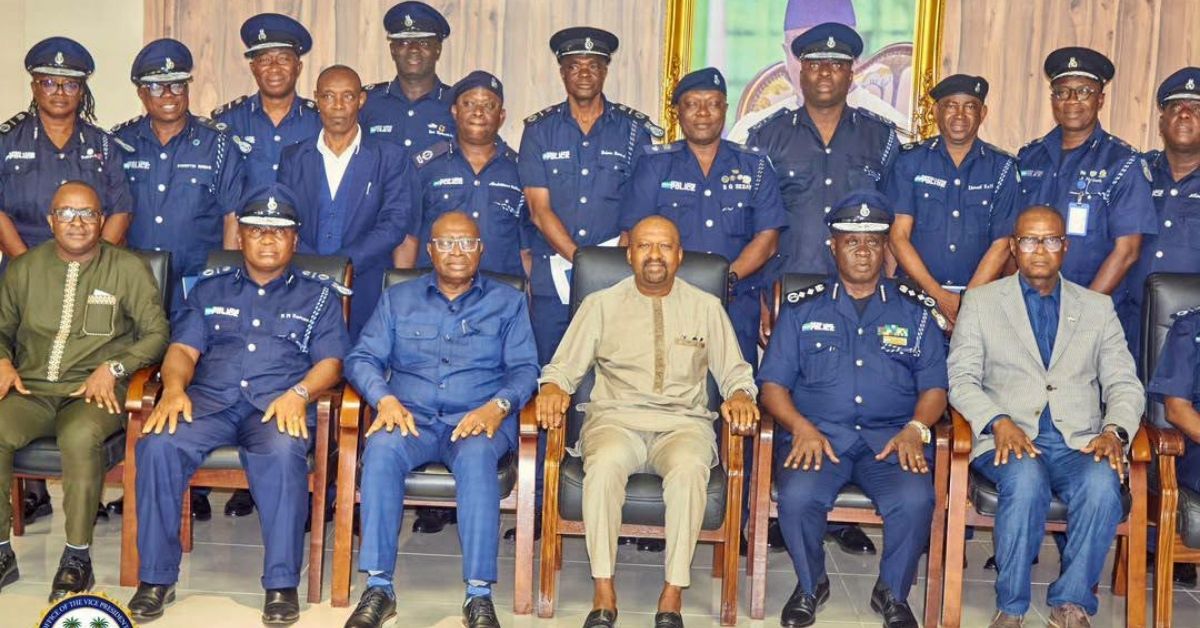
 Vice President Dr Mohamed Juldeh Jalloh has chaired a meeting of the Sierra Leone Police Executive Management Board (EMB) to review key governance, security and operational issues affecting the police force.
The meeting was held on August 27, 2026, at the Office of the Vice President and brought together senior police officers as part of ongoing efforts to strengthen police reform, accountability and operational effectiveness.
Dr Jalloh, who also serves as Chairman of the Sierra Leone Police Council, said the engagement provided an opportunity to hear directly from senior officers across the country about the progress, challenges and priorities associated with police reform.

“Today, I chaired a meeting of the Sierra Leone Police Executive Management Board, where we discussed key governance, security, and operational issues affecting the Force. It is always refreshing to hear firsthand from senior officers across the country on police reform,” he said.
The meeting comes as the Sierra Leone Police continues to focus on strengthening professionalism, accountability and public confidence in the institution.
Just days before the EMB meeting, on August 21, Deputy Inspector General of Police Andrew Mustapha Kamara engaged personnel in the Freetown West Region in a lecture focused on professional conduct and discipline.
During that engagement, DIG Kamara addressed issues including unlawful arrests, bribery and corruption, proper appearance and conduct, as well as the responsible use of social media.
He also urged police commanders to strengthen mentorship for recruits and junior officers and emphasised the importance of accountability within the force.
The engagement formed part of wider efforts to advance the Sierra Leone Police’s transition from a “Force to a Service.”
The meeting also highlights the role of the Sierra Leone Police Council in the governance and oversight of the police institution.
Established under Section 3 of the Sierra Leone Police Act, the Council is chaired by the Vice President and includes the Inspector General of Police, the Minister of Internal Affairs and four other members appointed by the President.
The Council is responsible for advising the President on matters relating to the police, including issues concerning appointments, disciplinary matters and policy direction.
Its role forms part of the country’s broader system of civilian oversight and governance of the police.
Police reform remains a key area of focus for the government and the Sierra Leone Police, with efforts aimed at improving professionalism, strengthening accountability and building public confidence.
The police are also expected to respond effectively to security challenges, including violent crime and drug-related offences, while improving cooperation with communities and other institutions.
At the operational level, police leadership has continued to emphasise effective management, discipline and responsible conduct among personnel.
The recent engagements involving senior police leadership suggest an increased focus on ensuring that reform priorities are understood and implemented throughout the institution.
While details of specific decisions reached during the August 27 EMB meeting have not been provided, the discussions are expected to contribute to the police leadership’s ongoing work on governance, security and operational effectiveness.
The engagement between the Vice President and senior police leadership also provides a platform for reviewing challenges facing the force and assessing progress in implementing reforms.
As the Sierra Leone Police continues its transition from a “Force to a Service,” issues of professionalism, accountability, public trust and effective service delivery are likely to remain central to the institution’s reform agenda