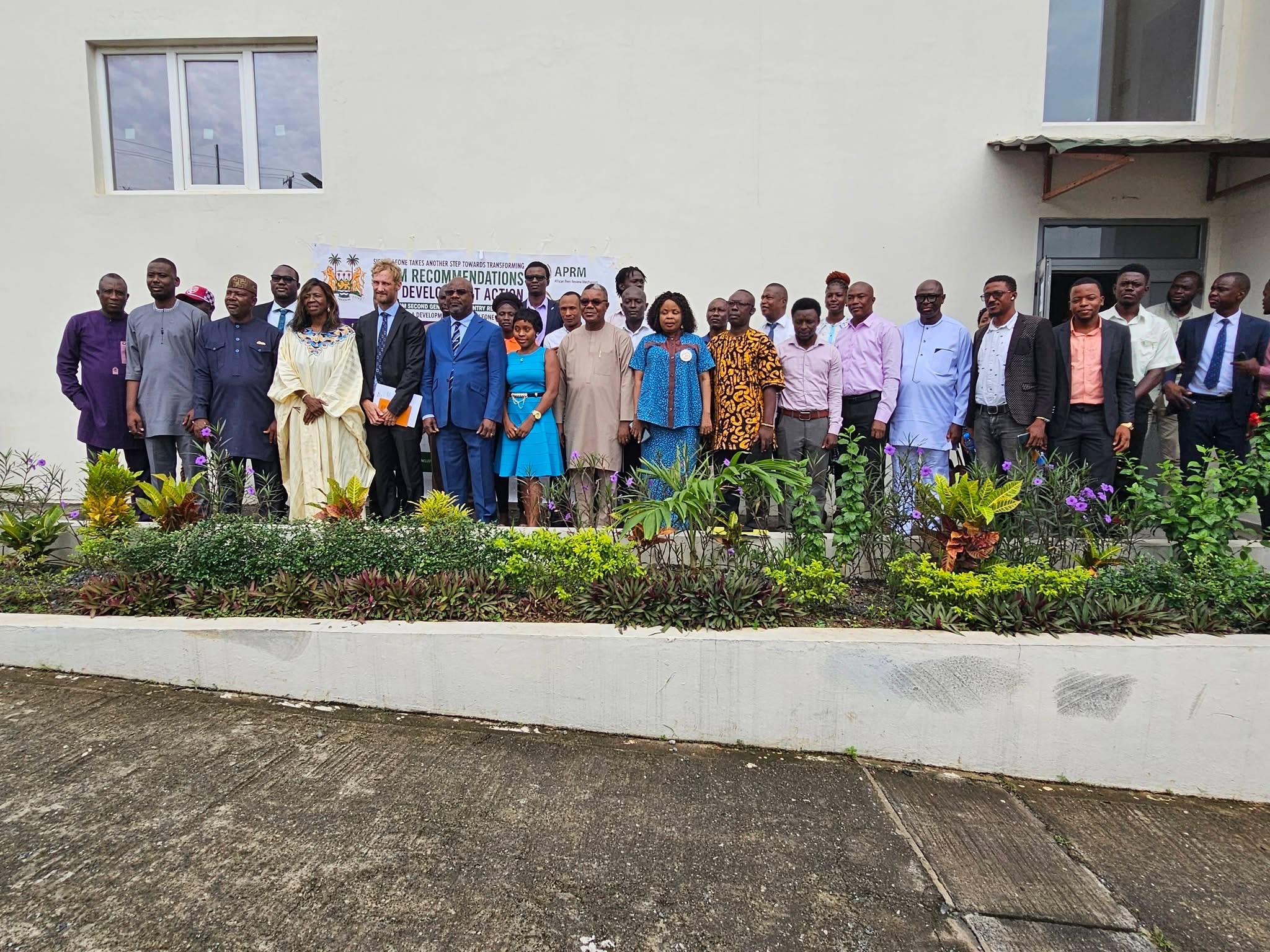
Sierra Leone Begins Five-Day Workshop to Translate APRM Recommendations Into Governance Reforms
 Aaron Parker
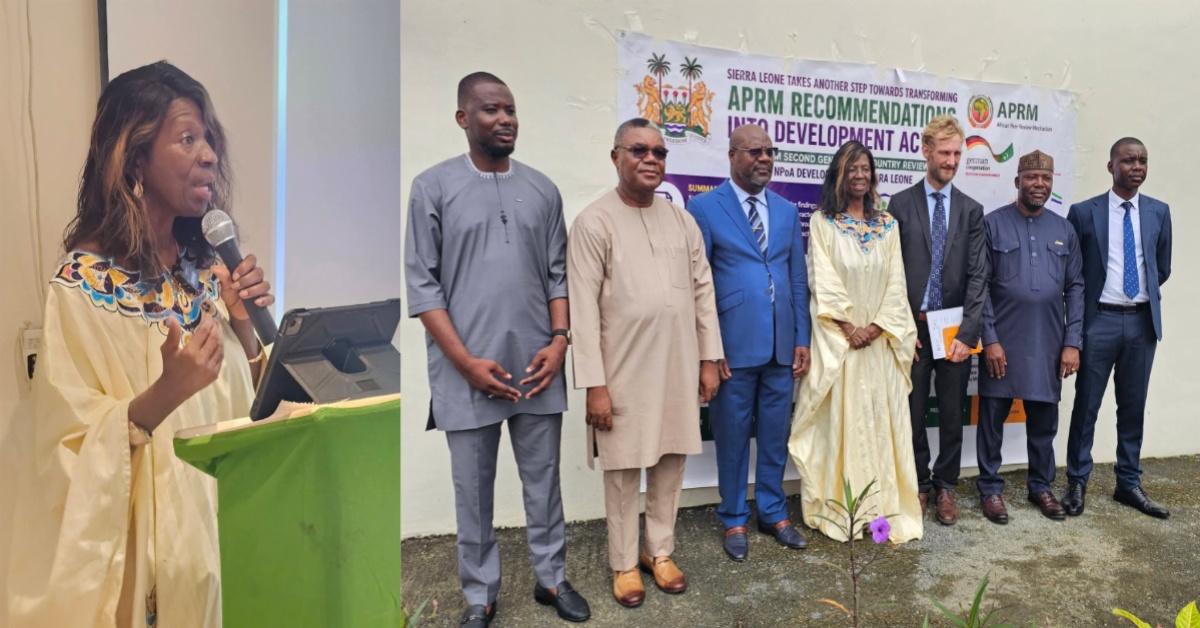
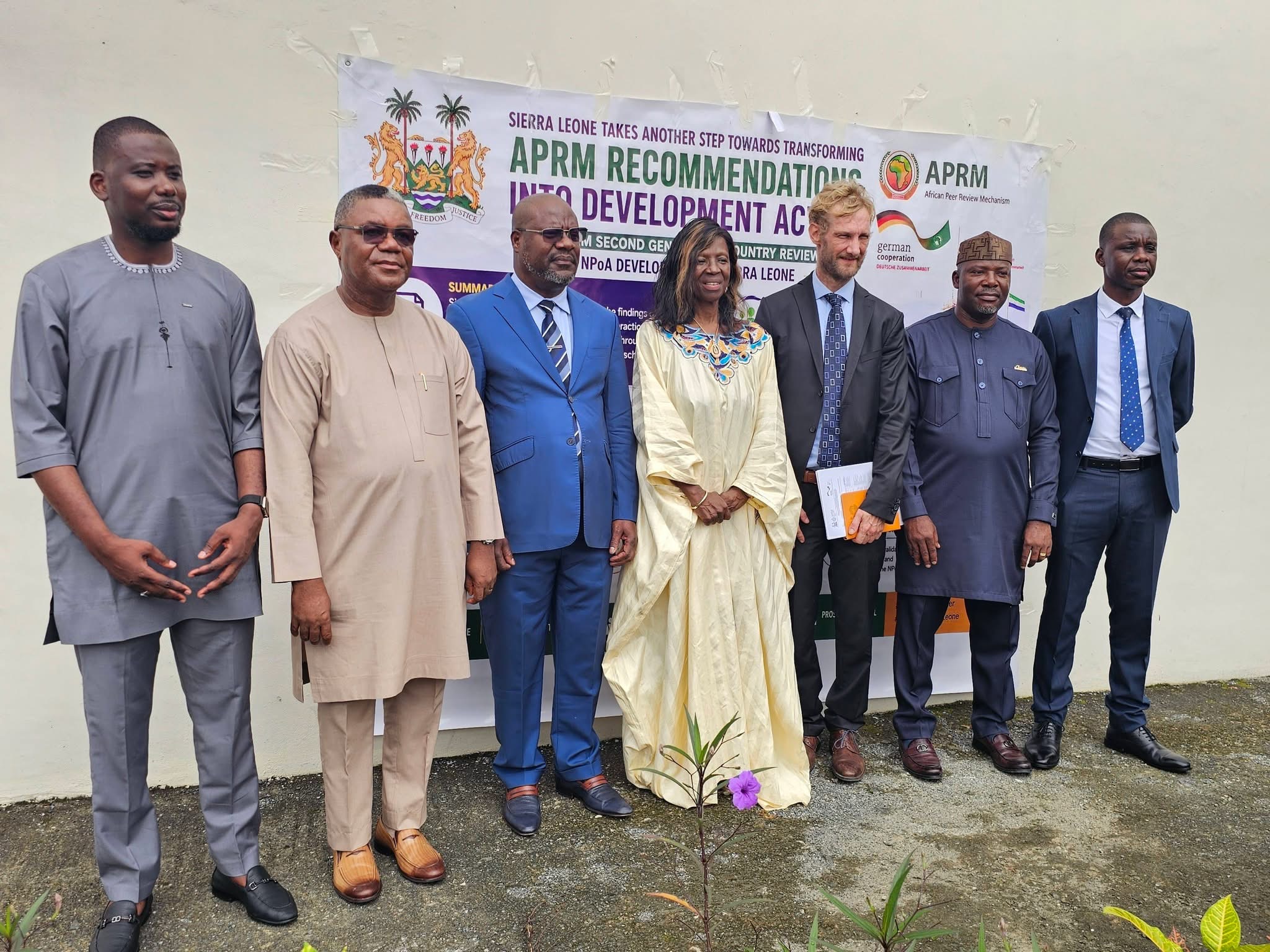
 The African Peer Review Mechanism (APRM) Sierra Leone has commenced a five-day national workshop aimed at transforming recommendations from the country’s second-generation APRM review into concrete actions capable of strengthening governance and supporting national development.
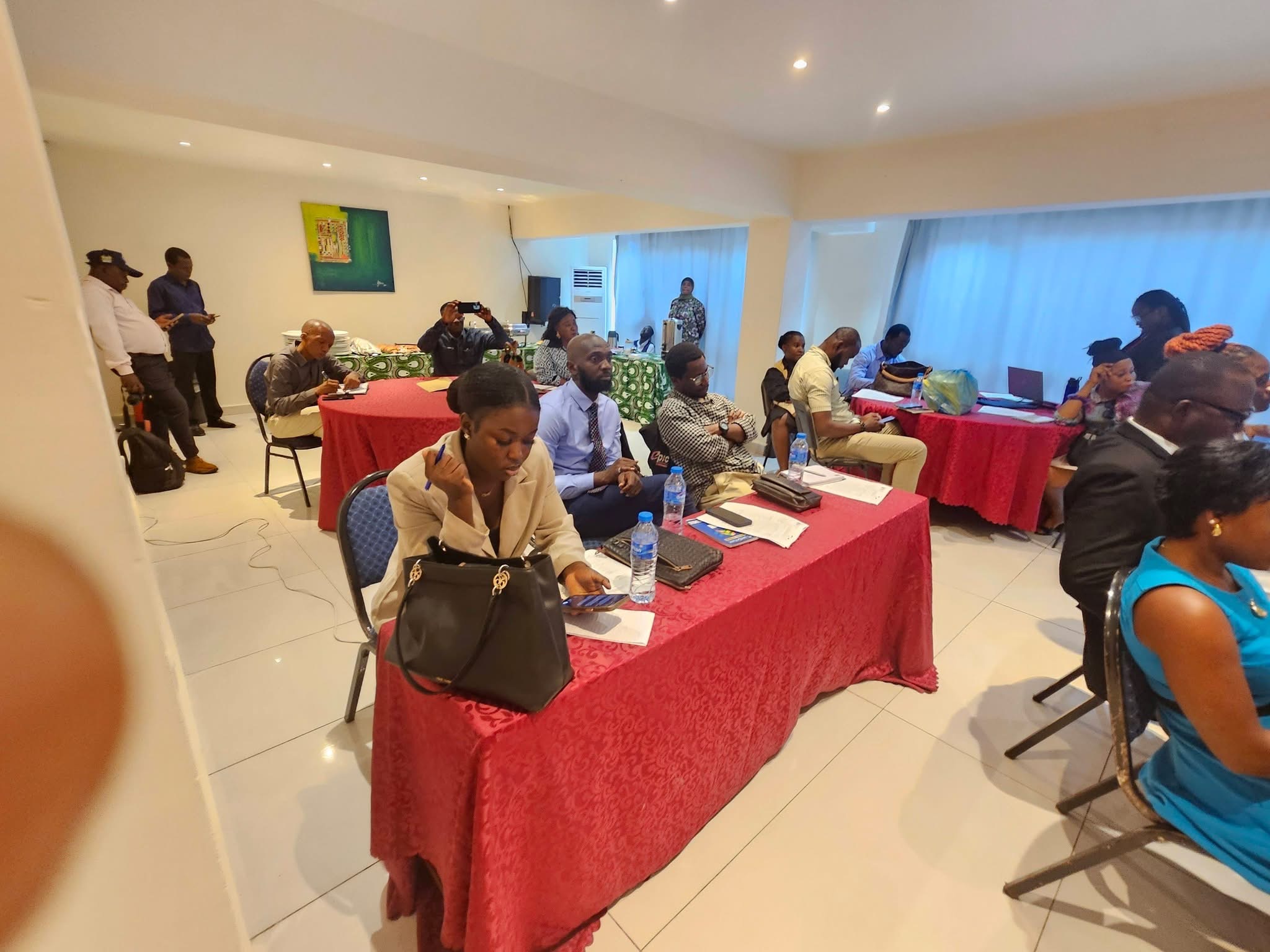
The workshop, which began on Monday, September 7, 2026, at the New Brookfields Hotel in Freetown, brings together government officials, development partners and a broad range of stakeholders to develop and harmonize Sierra Leone’s National Programme of Action (NPoA).
The exercise forms part of the country’s efforts to align the findings and recommendations of the second-generation APRM review with the Medium-Term National Development Plan (MTNDP) 2024–2030.

Participants are expected to translate the recommendations contained in the APRM review into practical interventions that can be integrated into existing government programmes and systems. The process will identify responsible institutions, measurable indicators, implementation timelines, estimated costs and potential financing arrangements for the proposed actions.

The workshop also provides a platform for wider consultation, with participation expected from the executive, legislature and judiciary, as well as civil society organizations, local councils, the private sector, women and youth groups, traditional and religious leaders, health practitioners and academia.
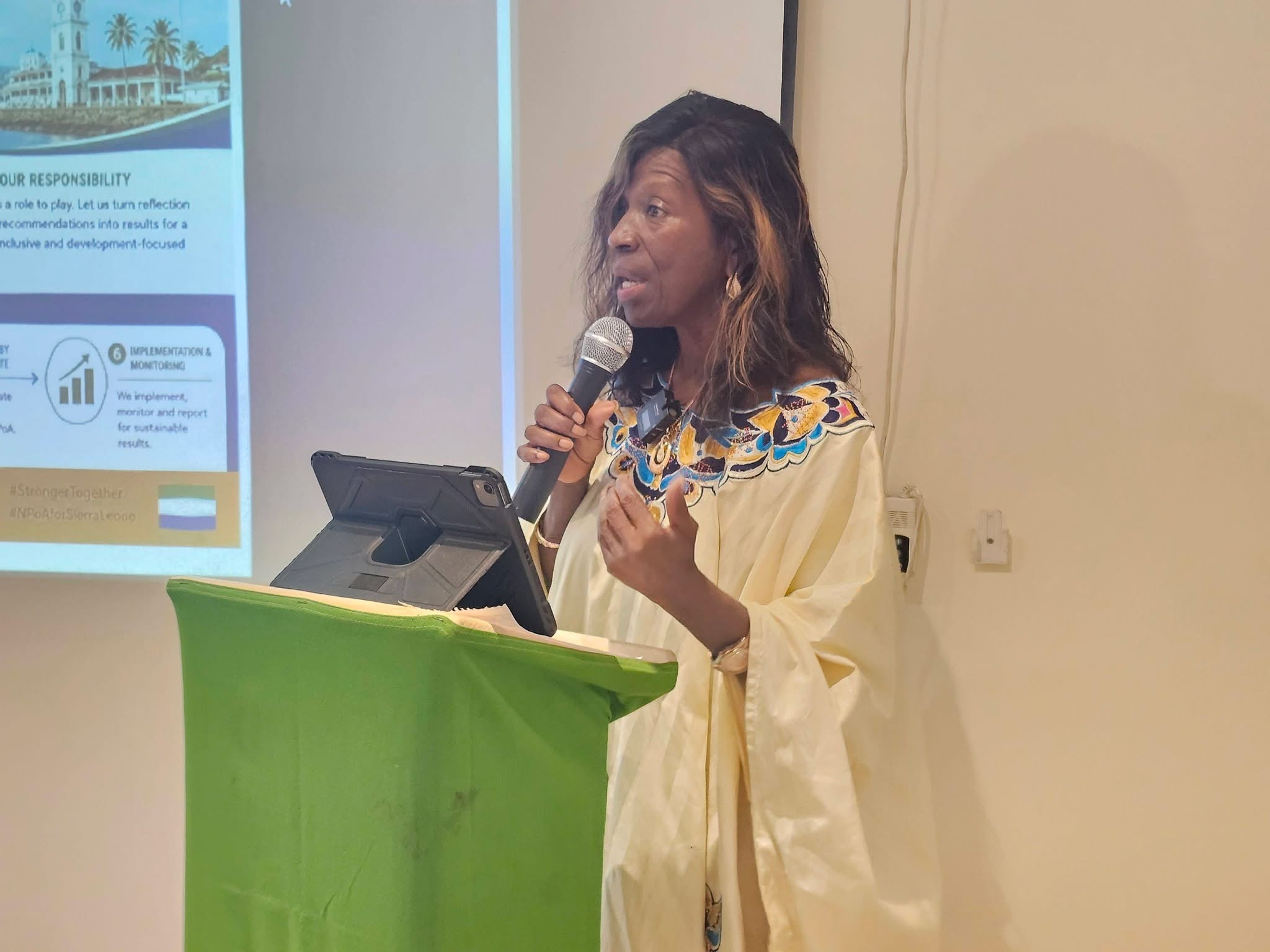
Officially opening the workshop, Minister of Planning and Economic Development and Sierra Leone’s APRM focal point, Kenyeh Barlay, said the exercise should not result in another standalone planning document, but should instead ensure that the recommendations become part of the country’s existing development and governance systems.
“The Plan gives us an important starting point to build on. The task before us during these days of the workshop is therefore not to add another layer of planning. Our task is to make the APRM recommendations work through the national system that Sierra Leone has already established,” Barlay said.
The Minister stressed that the process goes beyond finalizing a document, noting that its ultimate objective is to ensure that the findings of Sierra Leone’s Second-Generation Review lead to meaningful governance reforms and tangible improvements in the lives of citizens.
She called on Ministries, Departments and Agencies (MDAs) to take ownership of the recommendations and ensure their effective implementation. Barlay also emphasized the importance of incorporating the perspectives of women and young people into the implementation process.
According to her, the success of the APRM process should not be measured by the number of meetings or workshops conducted, but by the extent to which the resulting reforms improve the lives of ordinary Sierra Leoneans.
Barlay also expressed appreciation to the Government of Germany for its continued support to Sierra Leone’s APRM initiatives.
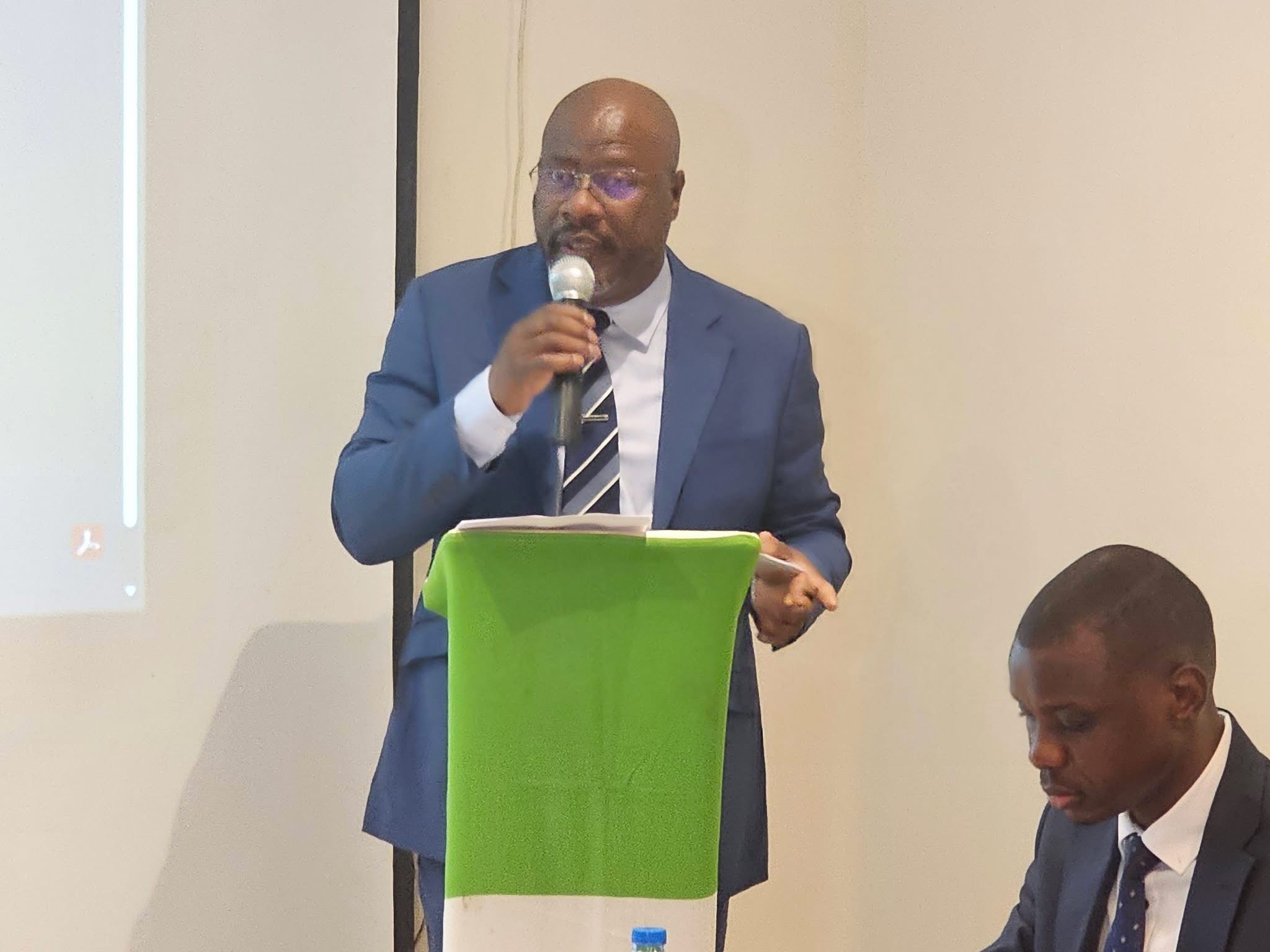
Chairing the opening ceremony, Principal Executive Adviser to the President on the Public Service and Head of the Public Sector Unit, Emmanuel Gaima, said the implementation framework being developed would provide an important mechanism for holding state institutions accountable for delivering on responsibilities entrusted to them by the people.
Gaima encouraged participants to engage constructively throughout the workshop to produce an actionable and effective programme.
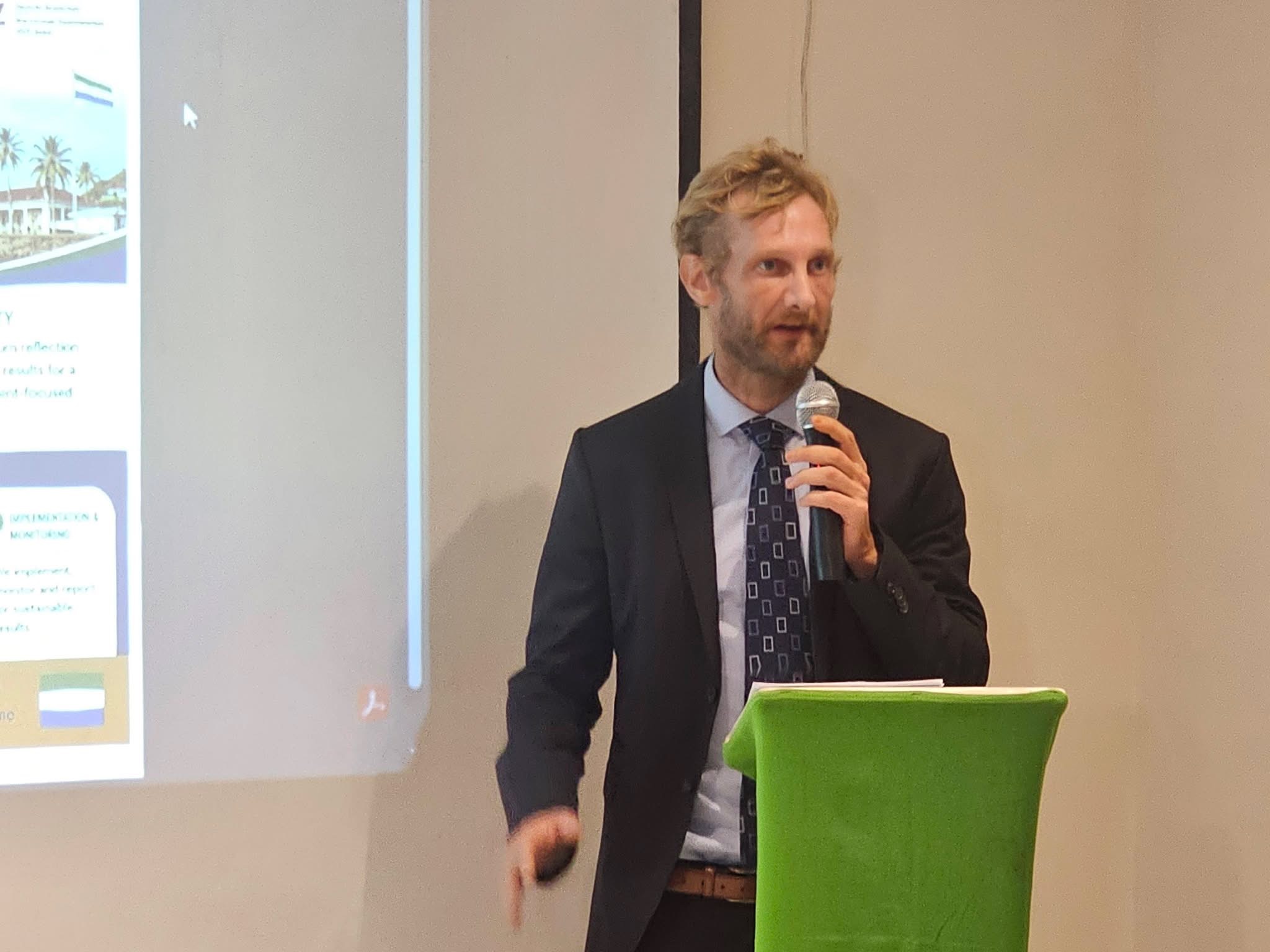
For his part, Head of Cooperation at the German Embassy in Sierra Leone, Johannes Beurens, recognized the role of President Julius Maada Bio in the APRM process, particularly during his tenure as Chairman of the continental mechanism.
Beurens commended Sierra Leone for voluntarily undergoing two APRM reviews, describing the achievement as something the country should be proud of. He reaffirmed Germany’s commitment to supporting APRM-related activities in Sierra Leone and expressed interest in seeing the recommendations translated into effective implementation.
He further expressed hope that Sierra Leone’s priorities would complement governance and development priorities being pursued by other African countries.
Also addressing the gathering, Jean Yves Adou, Executive Director for Monitoring and Evaluation at the APRM Continental Secretariat, highlighted the potential of the NPoA process to support Sierra Leone’s broader development agenda.
Adou pointed to areas including food security and human capital development as key national priorities that could benefit from effective implementation of the APRM recommendations.
He expressed optimism that the recommendations from the review would be successfully integrated into Sierra Leone’s national systems and contribute to addressing the country’s governance and development challenges.
The five-day workshop is expected to conclude on Friday, with participants expected to finalize a harmonized framework for implementing the recommendations of Sierra Leone’s second-generation APRM review.