
Ghana’s Caribbean Labour Success : A Blueprint for Sierra Leone’s 500,000-Jobs Ambition
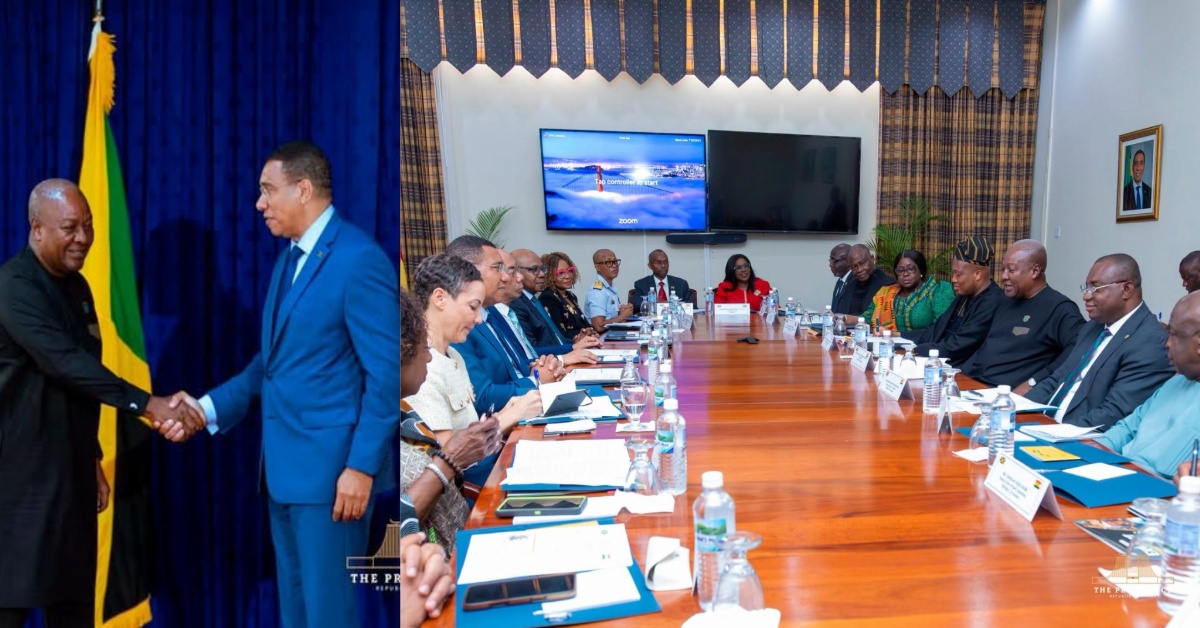
As Caribbean nations grapple with persistent shortages of nurses, teachers, and other skilled professionals, several African countries are strengthening bilateral labour partnerships to meet the region’s growing workforce demands.
Among African countries, Ghana has emerged as a leading example of how strategic diplomacy can be translated into overseas employment opportunities. Through sustained bilateral engagement, labour cooperation, and historical diplomacy, Ghana has positioned its healthcare professionals and educators to meet growing labour demands across the Caribbean. Sierra Leone, however, has yet to establish comparable labour mobility pathways, despite sharing deep historical and cultural ties with many Caribbean nations through the legacy of the transatlantic slave trade, the Maroons, and the wider African diaspora.
The relationship between Sierra Leone and the Caribbean is rooted in a shared history that extends far beyond diplomatic formalities. The transatlantic slave trade forged enduring cultural, historical, and ancestral connections that continue to shape relations between West Africa and the Caribbean. Today, those shared bonds present an opportunity to build modern partnerships based not only on history but also on economic cooperation and mutual development.

For decades, Sierra Leone’s overseas employment strategy has focused primarily on the Gulf region, particularly Saudi Arabia, Kuwait, the United Arab Emirates, and Qatar. Bilateral labouragreements have largely centred on domestic workers, and other skilled and semi-skilled professionals seeking employment in the Middle East. While these partnerships have created opportunities for thousands of Sierra Leoneans, they also raise an important question: Is the country overlooking another promising labour market that shares its historical and cultural roots?

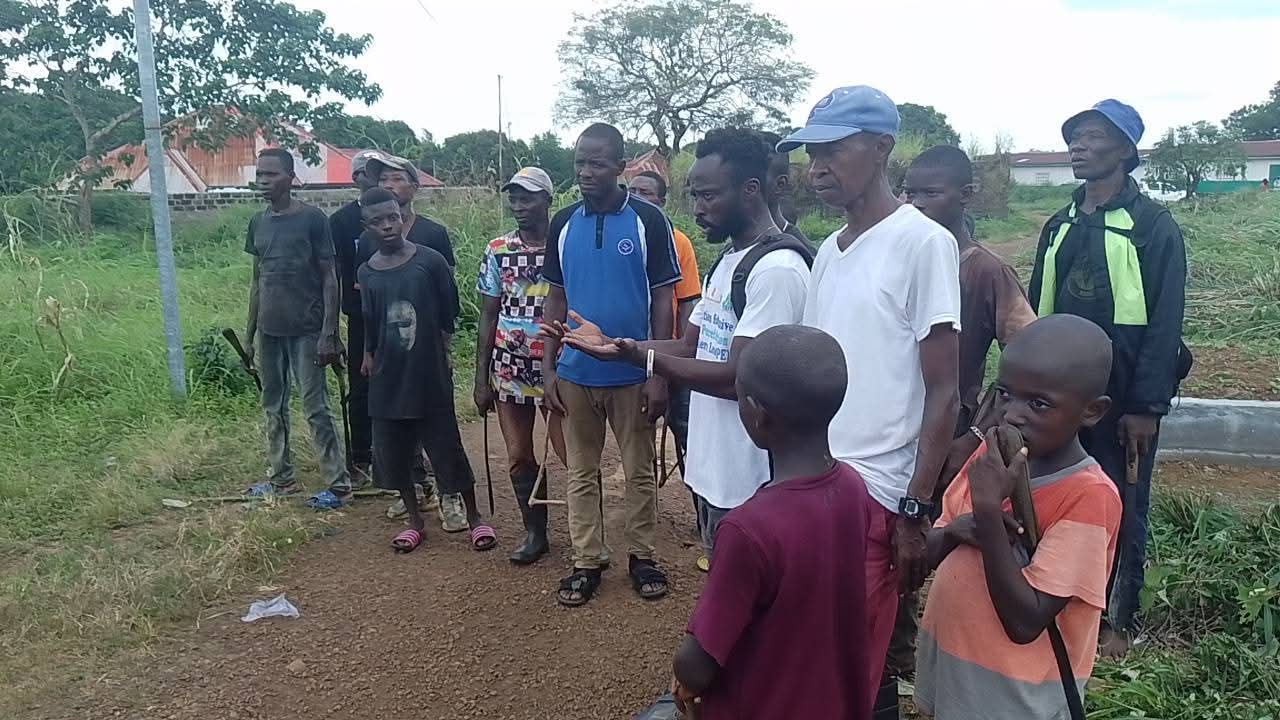
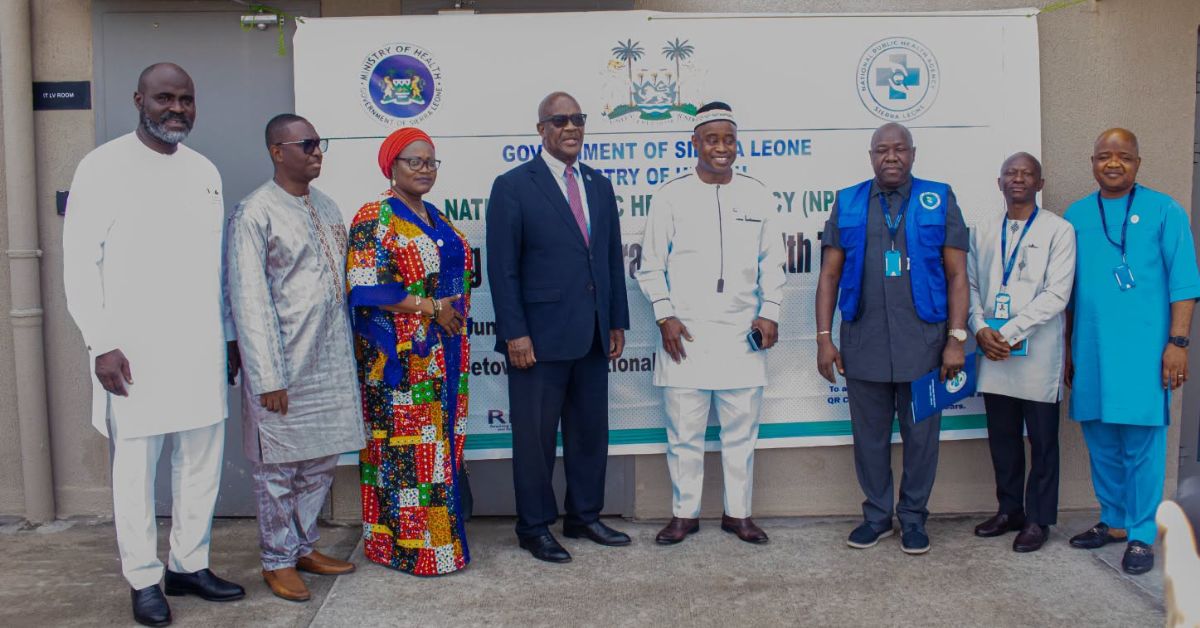
The Sierra Leone People’s Party (SLPP), in its 2023 manifesto, Consolidating Gains and Accelerating Transformation, placed youth employment at the centre of its development agenda. The manifesto introduced a Presidential Youth Employment Scheme aimed at creating 500,000 jobs for young people over five years, through measures including private-sector incentives, skills development, entrepreneurship support and public works.
Yet the scale of Sierra Leone’s employment challenge extends far beyond the government’s 500,000-job ambition. According to the World Bank’s 2025 Sierra Leone Economic Update, the country will need to create an additional two million jobs between 2020 and 2050 simply to maintain its current employment-to-population ratio of 51 percent.
The World Bank estimates that Sierra Leone needs to generate approximately 75,000 new jobs every year over the next three decades to absorb new entrants into the labour force—almost twice the 41,000 jobs created annually in recent years. Raising the employment-to-population ratio to 60 percent, the average for Sub-Saharan Africa, would require the country to generate approximately 100,000 new jobs every year.
The figures underline the magnitude of the challenge facing the government. Creating 500,000 jobs would represent a significant achievement, but it would not, on its own, resolve Sierra Leone’s longer-term employment deficit. The World Bank therefore argues that a revitalised private sector will be central to expanding employment opportunities and meeting the country’s growing labour-market needs.
This raises a broader question for Sierra Leone: should job creation strategies look beyond domestic employment and explore international labour mobility as an additional avenue for absorbing the country’s growing workforce? Ghana’s recent engagement with Caribbean countries offers an instructive case study of how bilateral labour cooperation can potentially transform international migration into a structured employment and economic-development opportunity.
Against this backdrop, expanding overseas employment opportunities through bilateral labour agreements could complement domestic job creation efforts. Structured partnerships with Caribbean countries facing shortages of nurses, teachers, and other skilled professionals could provide employment for qualified Sierra Leoneans while generating remittances, strengthening diplomatic ties, and contributing to national economic development.
The Caribbean’s growing demand for nurses and teachers presents such an opportunity. Countries across the region are actively recruiting qualified professionals to address persistent shortages in their health and education sectors. Yet, Sierra Leone has remained largely absent from this emerging labour market.
By contrast, Ghana has successfully positioned itself as a trusted source of skilled professionals. In recent years, Ghanaian nurses have been deployed to Barbados, Jamaica, Saint Kitts and Nevis, and Antigua and Barbuda through structured government-to-government arrangements. These partnerships have strengthened Caribbean healthcare systems while creating overseas employment opportunities and generating remittances for Ghanaian citizens.
Nigeria has pursued a different, but equally strategic, approach. Through its Technical Manpower Assistance programme, the Nigerian government has signed agreements with Caribbean countries, including Saint Lucia, to deploy teachers, doctors, nurses, agriculturists, and other professionals under formal bilateral cooperation frameworks.
These successes did not emerge by chance. They reflect years of sustained diplomatic engagement, carefully negotiated bilateral agreements, and deliberate labour mobility policies designed to connect African professionals with countries facing critical workforce shortages.
Ghana’s growing engagement with the Caribbean illustrates how historical ties can be transformed into practical economic cooperation. During his official visit to Kingston on 4 August 2026, President John Dramani Mahama described Ghana and Jamaica as nations united by a common history of Pan-Africanism, the transatlantic slave trade, and cultural solidarity.
“Our two nations share an inseparable history.”
President Mahama noted the influence of Jamaican Pan-African leader Marcus Garvey on Ghana’s founding President, Dr. Kwame Nkrumah, while highlighting the enduring cultural legacy that continues to unite West Africa and the Caribbean.
The visit produced more than symbolic gestures. Ghana and Jamaica agreed to fast-track a Bilateral Air Services Agreement, establish direct maritime links, strengthen trade and investment, expand educational exchanges, and deepen defence cooperation. Most significantly, both governments signed an agreement enabling Ghanaian health professionals to support Jamaica’s healthcare system while also advancing teacher exchange programmes in science, mathematics, and physics.
These developments demonstrate that Ghana’s Caribbean strategy extends beyond cultural diplomacy. It integrates foreign policy, labour mobility, trade, education, transportation, and investment into a comprehensive partnership that creates tangible opportunities for both countries.
Meanwhile, relations between Sierra Leone and the Caribbean have shown encouraging signs of progress. Jamaica recently granted visa-free entry to Sierra Leonean passport holders, reducing barriers to travel and signalling a willingness to strengthen engagement with African nations. Cultural exchanges have also expanded through initiatives such as the One Nation Reggae Festival, which has brought Jamaican musicians and artists to Sierra Leone while celebrating the shared heritage linking Africa and the Caribbean.
These developments provide an important diplomatic foundation. However, visa-free travel and cultural exchanges alone do not create employment opportunities. The next step would be to pursue structured bilateral labour agreements, mutual recognition of professional qualifications, and government-backed recruitment programmes that would enable qualified Sierra Leonean nurses, teachers, and other professionals to access Caribbean labour markets.
The answer may help determine whether shared heritage remains a symbol of the past or becomes the foundation for new economic opportunities across the Atlantic.